Aurora, MN Dual-Use Properties: Smart Strategies for Mixed Residential-Commercial Investments
Learn how to maximize returns by developing properties that serve both residential and commercial purposes in Aurora's growing market.

The Rise of Mixed-Use Development in Aurora
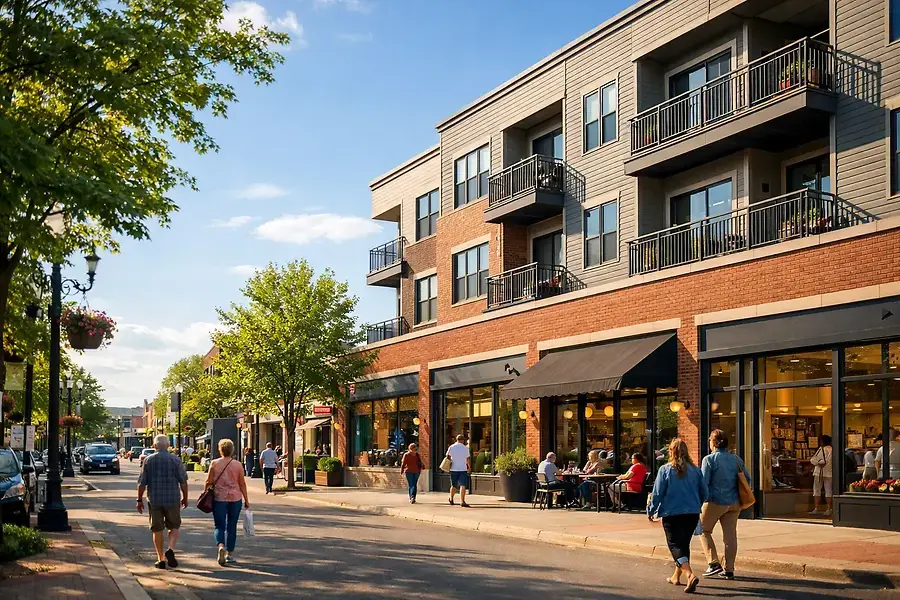
Aurora, Minnesota is experiencing a transformative shift in its real estate landscape. The demand for mixed-use properties—developments that combine residential and commercial spaces—has surged as investors recognize the unique opportunities these properties present. Unlike traditional single-purpose investments, dual-use properties offer diversified income streams and greater resilience against market fluctuations.
The appeal of mixed-use development lies in its efficiency and adaptability. Property owners can capitalize on foot traffic from commercial tenants to support residential value, while residential populations provide a built-in customer base for ground-floor businesses. This synergy creates a vibrant community atmosphere that attracts both renters and customers, ultimately driving higher returns on investment.
Aurora's strategic location, combined with its growing population and business-friendly environment, makes it an ideal market for investors seeking to enter the mixed-use property space. Whether you're a seasoned real estate professional or a first-time investor, understanding the fundamentals of dual-use properties is essential for success.
Understanding Dual-Use Property Zoning and Regulations in Aurora
Zoning Classifications and Compliance
Before investing in a dual-use property, it's crucial to understand Aurora's zoning regulations. The city has designated specific zones that permit mixed-use development, typically classified as Mixed-Use Commercial-Residential (MU-CR) or similar designations. These zones allow for the integration of residential units above or adjacent to commercial spaces.
Key zoning considerations include:
- Permitted uses within each zone
- Building height and density restrictions
- Parking requirements for both residential and commercial components
- Setback and lot coverage limitations
- Signage and architectural guidelines
Regulatory Requirements and Permits
Developing a dual-use property requires navigating multiple regulatory frameworks. You'll need to obtain separate permits for residential and commercial operations, including building permits, occupancy permits, and business licenses. Additionally, properties must comply with both residential building codes and commercial safety standards.
Working with a local real estate attorney and zoning consultant is highly recommended. These professionals can help you understand Aurora's specific requirements and ensure your project meets all compliance standards before breaking ground.
Utility and Infrastructure Considerations
Dual-use properties require robust utility infrastructure to support both residential and commercial operations. You'll need to plan for adequate electrical capacity, water supply, sewage systems, and potentially separate metering for residential and commercial tenants. These infrastructure upgrades can significantly impact your initial investment costs, so proper planning is essential.
Evaluating Profitability: Residential vs. Commercial Revenue Streams
Residential Income Potential
The residential component of a dual-use property provides stable, long-term income. Residential leases typically range from 12 months to multi-year agreements, offering predictable cash flow. In Aurora's growing market, residential rents have remained competitive, with demand consistently outpacing supply in desirable mixed-use neighborhoods.
When evaluating residential profitability, consider:
- Average rent rates in the target neighborhood
- Occupancy rates and tenant retention
- Maintenance and property management costs
- Property taxes and insurance expenses
- Potential for rent appreciation over time
Commercial Income Potential
The commercial component offers higher per-square-foot rental rates compared to residential spaces. Ground-floor retail, office space, or service-oriented businesses can generate substantial revenue. However, commercial leases may be shorter and more subject to economic cycles than residential agreements.
Commercial advantages include:
- Higher rental rates per square foot
- Triple-net leases that shift operating costs to tenants
- Longer lease terms with established businesses
- Tax benefits and depreciation advantages
- Potential for business growth and expansion
Balancing Both Revenue Streams
The key to maximizing profitability is finding the optimal balance between residential and commercial space. A common approach is the 80/20 or 70/30 split, dedicating the majority of space to the revenue stream with higher demand in your target market. However, the ideal ratio depends on local market conditions, property location, and your investment goals.
Conduct thorough market analysis to determine which revenue stream will perform best in your specific Aurora neighborhood. Properties in downtown areas may benefit from more commercial space, while residential-focused neighborhoods might favor more residential units.
Building Your Mixed-Use Investment Portfolio in Aurora, MN
Strategic Property Selection
Success in mixed-use investing begins with selecting the right property. Look for locations with strong foot traffic, proximity to public transportation, and established or emerging business districts. Properties near schools, parks, and entertainment venues tend to attract both residential tenants and commercial customers.
Financial Planning and ROI Projections
Develop comprehensive financial models that account for both revenue streams. Calculate your cap rate, cash-on-cash return, and projected ROI based on realistic market assumptions. Include contingencies for vacancies, maintenance, and unexpected expenses. A well-researched financial plan will guide your investment decisions and help you identify the most profitable opportunities.
Building Long-Term Wealth
Mixed-use properties offer exceptional wealth-building potential through multiple mechanisms: monthly cash flow from dual income streams, property appreciation, mortgage paydown, and tax advantages. By strategically building a portfolio of dual-use properties across Aurora's best neighborhoods, you can create a diversified, resilient investment foundation.
The future of real estate investment in Aurora belongs to those who understand the power of mixed-use development. By combining residential stability with commercial opportunity, savvy investors can build sustainable wealth while contributing to vibrant, thriving communities.
Next Steps for Aspiring Investors
Ready to explore dual-use properties in Aurora? Start by researching available properties in mixed-use zones, connecting with local real estate professionals, and analyzing market data. Attend zoning board meetings to understand regulatory trends, and network with other investors who have successfully developed mixed-use properties in the area.
With careful planning, thorough due diligence, and a clear understanding of Aurora's market dynamics, dual-use properties can become a cornerstone of your investment portfolio, generating consistent returns while building lasting community value.