Austin Home Inspections: Essential Buyer Protection Strategies
Discover the critical inspection items that protect your investment and reveal hidden issues before you buy.

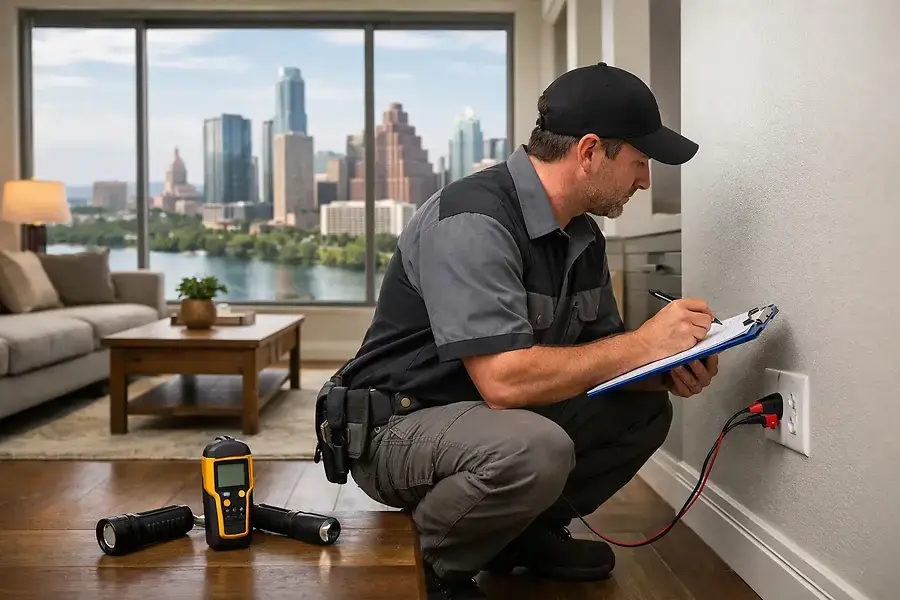
Understanding the Home Inspection Process in Austin
Purchasing a home is one of the most significant financial decisions you'll make, and in Austin's competitive real estate market, protecting your investment is paramount. A professional home inspection is your first line of defense against costly surprises after closing. This comprehensive evaluation examines the property's structural integrity, systems, and overall condition, providing you with critical information before you commit to the purchase.
In Austin, home inspections typically take 2-4 hours depending on the property's size and age. Licensed inspectors follow the Texas Real Estate Commission (TREC) Standards of Practice, ensuring a thorough and standardized evaluation. The inspection report becomes a powerful negotiating tool and a detailed record of the property's condition at the time of purchase.
Why Austin Buyers Need Professional Inspections
Austin's diverse housing stock—from historic homes in central neighborhoods to newer developments in the suburbs—means each property presents unique challenges. Older homes may have outdated electrical systems or plumbing issues, while newer constructions might have builder defects. A professional inspector brings expertise in identifying problems that untrained eyes would miss, potentially saving you thousands in unexpected repairs.
Key Areas Inspectors Examine and Red Flags to Watch For
Structural Components and Foundation
The foundation is your home's backbone. Inspectors look for cracks, settling, and water damage that could indicate serious structural problems. In Austin's clay-heavy soil, foundation issues are particularly common. Watch for:
- Visible cracks in the foundation or basement walls
- Uneven floors or doors that don't close properly
- Water stains or moisture in crawl spaces
- Evidence of previous foundation repairs
Roof and Attic Condition
Your roof protects everything beneath it. Inspectors examine shingles, flashing, gutters, and attic ventilation. Red flags include missing shingles, significant wear, improper ventilation, and signs of leaks. Austin's intense sun and occasional severe weather make roof condition critical. The inspector will assess the roof's remaining lifespan and identify any areas needing attention.
Electrical Systems
Outdated or faulty electrical systems pose serious safety risks. Inspectors check the panel, wiring, outlets, and grounding. Be concerned about:
- Outdated fuse boxes instead of modern circuit breakers
- Insufficient outlets or evidence of overloaded circuits
- Improper grounding or bonding
- Aluminum wiring (a fire hazard in older homes)
Plumbing and Water Systems
Water damage is one of the costliest home problems. Inspectors test water pressure, check for leaks, examine pipes for corrosion, and assess the water heater. Pay special attention to signs of previous water damage, slow drains, or outdated galvanized pipes that may need replacement.
HVAC Systems
Austin's hot climate makes air conditioning essential. Inspectors evaluate the age, condition, and functionality of heating and cooling systems. An aging AC unit could mean a $5,000-$8,000 replacement in your near future. The inspector will note the system's efficiency and any maintenance issues.
Interior and Exterior Condition
Beyond major systems, inspectors examine:
- Windows and doors for proper operation and sealing
- Walls and ceilings for water damage or mold
- Insulation levels and ventilation
- Exterior siding, paint, and landscaping drainage
- Decks and porches for structural integrity
How to Use Inspection Results to Negotiate Better Offers
Understanding Your Inspection Report
A thorough inspection report categorizes findings by severity. Major issues require immediate attention and can significantly impact the property's value. Minor issues are typically maintenance items. Understanding this distinction helps you prioritize concerns and develop a negotiation strategy.
Negotiation Strategies
Once you have the inspection report, you have several options:
- Request repairs: Ask the seller to fix major issues before closing. This ensures professional work and protects you from liability.
- Request credits: Request a credit toward closing costs to handle repairs yourself, giving you control over the work quality.
- Renegotiate price: Use inspection findings to justify a lower offer price that accounts for necessary repairs.
- Walk away: If major issues are discovered, you may have grounds to exit the contract, depending on your inspection contingency.
Building Your Negotiation Case
Present inspection findings professionally and factually. Obtain repair estimates from licensed contractors for major issues—this gives concrete numbers to support your requests.
Remember: sellers are more likely to respond positively to reasonable, well-documented requests than to emotional or aggressive demands.Work with your real estate agent to craft a compelling negotiation strategy that protects your interests while remaining fair to the seller.
The Inspection Contingency
Most purchase agreements include an inspection contingency period—typically 7-10 days—during which you can request repairs, credits, or walk away. This window is critical. Review the report immediately, hire contractors for estimates if needed, and communicate your requests before the deadline expires.
Conclusion: Making Informed Decisions with Inspection Data
A professional home inspection is not an expense—it's an investment in your peace of mind and financial security. In Austin's dynamic real estate market, where properties range from charming historic homes to modern new construction, thorough inspections reveal the true condition of your potential investment.
By understanding what inspectors examine, recognizing red flags, and strategically using inspection results in negotiations, you position yourself as an informed buyer. You'll avoid costly surprises, negotiate better terms, and ultimately make a confident decision about one of life's most important purchases. Don't skip the inspection or treat it as a formality—let it be your guide to a smart, protected home purchase.


