Austin's Hybrid Workspaces: Converting Commercial Properties for Modern Living
Discover how Austin's commercial-to-residential conversions are creating affordable housing solutions while maximizing property investment potential.

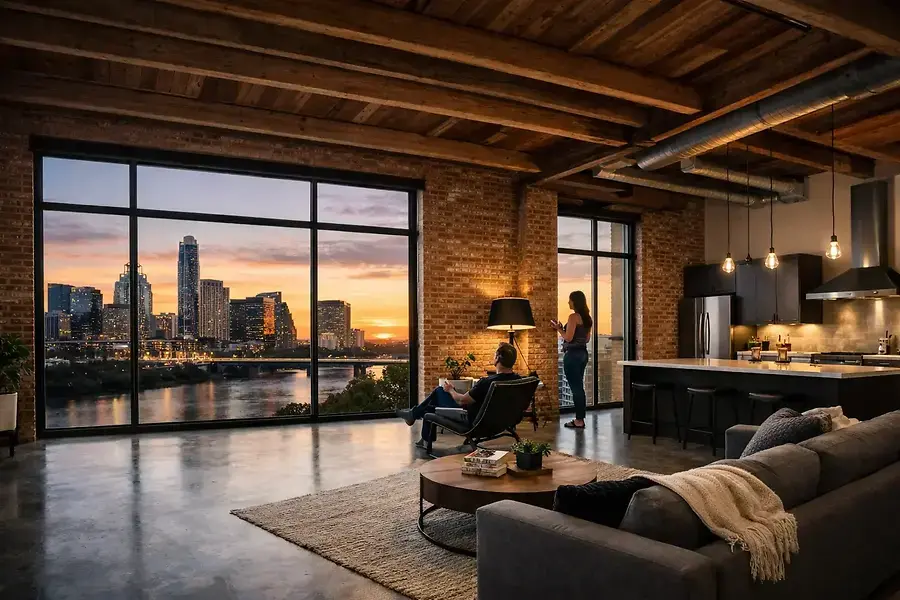
The Rise of Adaptive Commercial Properties in Austin
Austin's real estate landscape is undergoing a remarkable transformation. As remote work reshapes how companies utilize office space, a growing number of commercial properties sit underutilized or vacant. Forward-thinking developers and property owners are seizing this opportunity by converting these spaces into residential units, creating a win-win solution for the city's housing crisis and investors alike.
The shift toward adaptive reuse isn't just a trend—it's a strategic response to Austin's explosive population growth and soaring housing costs. Commercial-to-residential conversions offer a practical pathway to increase housing supply while preserving the architectural character of established neighborhoods. Downtown lofts, converted warehouses, and reimagined office buildings are breathing new life into urban cores while providing residents with unique, character-filled homes.
This movement reflects broader economic realities: office vacancy rates have climbed as companies embrace hybrid and remote work models, while residential demand continues to surge. Property owners who adapt quickly stand to benefit from strong rental markets and appreciation potential, making conversions an attractive investment strategy.
Understanding Conversion Regulations and Zoning Requirements in Austin
Navigating Austin's Zoning Framework
Before breaking ground on any conversion project, investors must understand Austin's complex zoning regulations. The city's Land Development Code outlines specific requirements for mixed-use developments and residential conversions. Zoning compatibility is crucial—commercial properties in certain districts may face restrictions on residential use.
Key considerations include:
- Verifying the property's current zoning classification and permitted uses
- Determining whether a zoning change or variance is necessary
- Understanding density limitations and unit count restrictions
- Reviewing parking requirements for residential occupancy
- Assessing compatibility with surrounding neighborhoods
Building Codes and Safety Standards
Converting commercial spaces to residential units requires strict adherence to building codes. Life safety systems, egress requirements, and structural modifications are non-negotiable elements of any conversion project. The International Building Code and Austin's specific amendments mandate:
- Adequate emergency exits and stairwells
- Fire-rated walls and doors between units
- Sprinkler systems and smoke detection
- Proper ventilation and HVAC systems
- Accessibility compliance for individuals with disabilities
Working with experienced architects and engineers familiar with Austin's code requirements is essential to avoid costly delays and rework.
Permitting and Approval Processes
The permitting process can be lengthy but is manageable with proper planning. Developers must submit detailed plans to the City of Austin's Development Services Department, including architectural drawings, structural calculations, and site plans. Engaging with city planners early in the process can streamline approvals and identify potential obstacles before significant resources are invested.
Design and Financial Considerations for Successful Property Conversions
Architectural and Design Strategies
Successful conversions balance preservation with modernization. The best projects honor the building's original character while incorporating contemporary amenities that appeal to today's renters and buyers. Design considerations include:
- Preserving original architectural features like exposed brick, timber beams, and large windows
- Optimizing floor plans for efficient residential layouts
- Incorporating modern kitchens and bathrooms
- Creating flexible spaces that adapt to various unit sizes
- Integrating community amenities like rooftop terraces or shared workspaces
Austin's creative community particularly values authenticity and character. Properties that maintain their industrial or historic charm while offering modern conveniences command premium rents and attract quality tenants.
Financial Planning and ROI Analysis
Conversion projects require careful financial modeling. Successful investors conduct thorough cost-benefit analyses before committing capital. Key financial metrics include:
"The difference between a profitable conversion and a financial disaster often comes down to accurate cost estimation and realistic market analysis."
Critical factors to evaluate:
- Acquisition costs and property condition assessments
- Renovation expenses, including structural, mechanical, and electrical work
- Soft costs such as permits, professional fees, and insurance
- Projected rental income based on comparable market analysis
- Operating expenses and property management costs
- Timeline to stabilization and cash flow breakeven
Many successful conversions in Austin have achieved 6-8% cap rates, with appreciation potential adding to overall returns. However, projects with poor planning or underestimated costs can quickly become unprofitable.
Financing Options and Incentives
Developers have several financing avenues for conversion projects. Traditional construction loans, bridge financing, and equity partnerships are common approaches. Additionally, Austin offers incentives for projects that increase housing supply, including:
- Property tax abatements for new residential construction
- Expedited permitting for qualifying projects
- Potential grants or low-interest loans for affordable housing components
Consulting with lenders experienced in conversion projects ensures access to appropriate financing structures and favorable terms.
Capitalizing on Austin's Growing Conversion Market
Austin's commercial-to-residential conversion market represents a significant opportunity for savvy investors and developers. The convergence of office oversupply, housing demand, and supportive city policies creates an ideal environment for adaptive reuse projects.
Success requires thorough due diligence, expert guidance, and realistic financial projections. Property owners who navigate zoning requirements, building codes, and design considerations effectively can create valuable assets that serve the community while generating strong returns.
As Austin continues to grow and evolve, the transformation of commercial spaces into vibrant residential communities will play an increasingly important role in shaping the city's future. Whether you're an investor exploring conversion opportunities or a developer seeking your next project, the time to act is now. The market rewards those who understand the fundamentals and execute with precision.
The future of Austin's real estate market isn't just about new construction—it's about reimagining existing spaces and creating communities that reflect the city's dynamic character and values.


