Avoid These Critical Mistakes When Selling Your Saint Paul Home
Learn the costly errors that delay sales and reduce your home's final price in today's competitive market.

Introduction: Common Pitfalls That Hurt Your Bottom Line
Selling your home is one of the most significant financial decisions you'll make. Yet many Saint Paul homeowners unknowingly sabotage their sales by making preventable mistakes that cost them thousands of dollars. Whether you're a first-time seller or have sold properties before, understanding these critical errors can mean the difference between a quick sale at top dollar and a prolonged listing that attracts fewer buyers.
The Saint Paul real estate market is competitive, and buyers today are more informed and selective than ever. They're looking for homes that are priced right, presented beautifully, and ready to move into. When you fall short in any of these areas, you're not just losing potential buyers—you're leaving money on the table.
Pricing Errors: Why Overpricing Backfires in Saint Paul
The Overpricing Trap
One of the most damaging mistakes sellers make is overpricing their homes. It's tempting to list high and hope for the best, but this strategy almost always backfires in the Saint Paul market. When your home sits on the market above its true value, several negative consequences unfold:
- Reduced buyer interest: Serious buyers and their agents quickly identify overpriced homes and move on to better-valued properties.
- Extended listing time: The longer your home sits, the more it appears undesirable to new buyers entering the market.
- Price reduction stigma: When you eventually lower the price, buyers wonder what's wrong with the property.
- Lower final sale price: Homes that linger on the market often sell for less than they would have if priced correctly from the start.
Getting the Price Right
The key to successful pricing is conducting a thorough comparative market analysis of recently sold homes in your Saint Paul neighborhood. Look at homes similar in size, condition, and location that sold within the last three to six months. This gives you a realistic baseline for your property's value.
Consider hiring a professional appraiser or working with an experienced real estate agent who understands the local market. They can identify factors that affect your home's value, such as recent renovations, energy-efficient upgrades, or proximity to desirable amenities. Pricing your home competitively from day one attracts more buyers and creates healthy competition that can actually drive your final sale price up.
Presentation Problems: How Poor Staging and Curb Appeal Cost You Buyers
Curb Appeal: Your First Impression
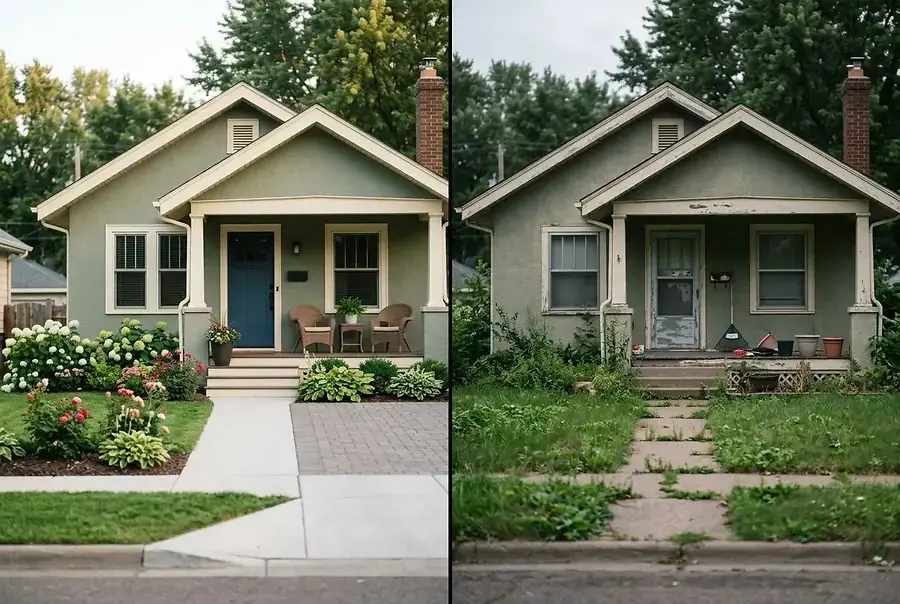
Buyers form opinions about your home before they even step inside. A neglected exterior, overgrown landscaping, or peeling paint sends a message that the interior may not be well-maintained either. Curb appeal is non-negotiable when selling your Saint Paul home.
Focus on these essential curb appeal improvements:
- Trim bushes and trees, and maintain a neat lawn
- Power wash the exterior, driveway, and walkways
- Paint the front door and update hardware
- Repair any visible damage to siding, roof, or gutters
- Add fresh mulch and seasonal plants to garden beds
- Ensure the house number is visible and attractive
Interior Staging: Making Spaces Shine
Once buyers enter your home, they need to envision themselves living there. Poor staging—cluttered rooms, personal photos, outdated décor, or strong odors—creates barriers to this emotional connection.
Effective staging involves:
- Decluttering: Remove personal items, excess furniture, and anything that distracts from the home's features.
- Deep cleaning: A spotless home signals that you've cared for it properly.
- Neutral décor: Paint walls in neutral tones and remove bold or controversial artwork.
- Lighting: Ensure all rooms are well-lit and welcoming. Open curtains and add lamps if needed.
- Fresh scents: Avoid strong cooking smells or artificial air fresheners. A subtle vanilla or fresh linen scent is ideal.
- Furniture arrangement: Arrange furniture to highlight room size and flow, not to accommodate your lifestyle.
The Cost of Neglecting Presentation
Homes that are poorly presented typically receive fewer showings and lower offers. Buyers are willing to pay a premium for homes that are move-in ready and beautifully presented. The investment you make in staging and curb appeal often returns multiples of what you spend, making it one of the smartest investments you can make before listing.
Additional Critical Mistakes to Avoid
Ignoring Necessary Repairs
Deferred maintenance is a red flag for buyers. Issues like a leaky roof, outdated electrical systems, or foundation problems will be discovered during inspections and will significantly reduce your home's value. Address major repairs before listing, or be prepared to offer substantial price reductions.
Poor Marketing and Photography
In today's digital market, most buyers start their search online. Low-quality photos, incomplete listings, or poor online descriptions mean fewer people will even schedule a showing. Invest in professional photography and compelling descriptions that highlight your home's best features.
Inflexible Negotiation
Being too rigid during negotiations can cost you a sale. While you shouldn't accept lowball offers, being reasonable about inspection requests, closing timelines, and contingencies makes your home more attractive to serious buyers.
Conclusion: Taking Action to Maximize Your Home's Sale Potential
Selling your Saint Paul home successfully requires attention to detail and strategic decision-making. By avoiding these critical mistakes—overpricing, poor presentation, deferred maintenance, and inflexible negotiation—you position yourself for a faster sale at the best possible price.
The difference between a successful sale and a prolonged listing often comes down to the preparation and decisions you make before you list.
Start by getting your home professionally appraised or analyzed by a knowledgeable real estate agent. Invest in staging and curb appeal improvements. Address any maintenance issues. Then, price your home competitively and market it effectively.
Your home is likely one of your most valuable assets. Treat the selling process with the seriousness it deserves, and you'll be rewarded with a successful transaction that maximizes your financial return.