Baltimore Commercial Space: Finding the Right Location for Your Business
A practical guide to evaluating neighborhoods, foot traffic, and accessibility when selecting a commercial property in Baltimore.

Why Location Selection Matters for Commercial Success
Choosing the right commercial location is one of the most critical decisions you'll make as a business owner. Your address can determine whether your business thrives or struggles, regardless of how excellent your products or services may be. In Baltimore, a city with diverse neighborhoods and varying commercial opportunities, understanding how to evaluate potential locations is essential.
The right location offers more than just a physical space—it provides access to your target customers, establishes your brand's credibility, and can significantly impact your operational costs. Whether you're opening a retail storefront, professional office, or restaurant, location strategy directly influences foot traffic, visibility, and long-term profitability.
Understanding Baltimore's Commercial Districts and Neighborhood Profiles
Inner Harbor and Downtown
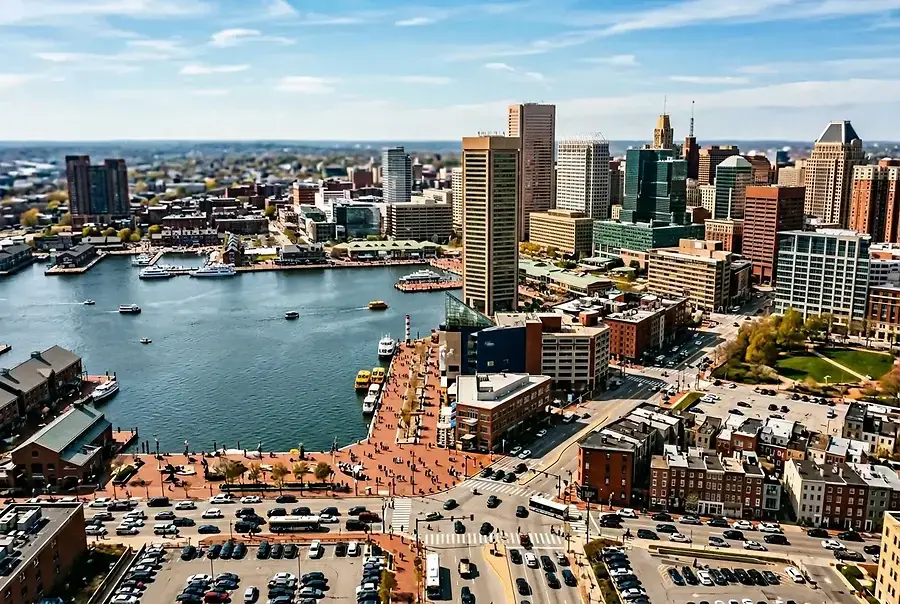
Baltimore's Inner Harbor remains the city's premier commercial destination, attracting both tourists and local professionals. This area offers high visibility and consistent foot traffic, making it ideal for retail, hospitality, and entertainment businesses. However, expect premium rental rates and competitive market conditions.
Federal Hill and Canton
These neighborhoods have emerged as vibrant commercial hubs with younger demographics and strong community engagement. Federal Hill's main commercial corridor features restaurants, boutiques, and service-based businesses, while Canton offers waterfront appeal and growing retail opportunities. Both areas show strong growth potential and moderate-to-high rental costs.
Fells Point
Known for its historic charm and bohemian atmosphere, Fells Point attracts tourists and locals seeking unique shopping and dining experiences. This neighborhood is excellent for specialty retail, galleries, and entertainment venues. The area's character and walkability make it attractive for businesses targeting experience-driven customers.
Harbor East
Harbor East has transformed into a modern commercial and residential destination with upscale retail and dining options. This area appeals to businesses seeking a contemporary, professional image. The neighborhood offers excellent visibility and attracts affluent customers, though rental rates reflect this premium positioning.
Emerging Neighborhoods
Areas like Hampden, Remington, and Station North are experiencing revitalization and offer more affordable commercial space with growing customer bases. These neighborhoods attract creative businesses, startups, and entrepreneurs looking for character and community connection at lower costs.
Key Factors to Evaluate: Accessibility, Visibility, and Local Demographics
Accessibility and Transportation
Evaluate how easily customers and employees can reach your location. Consider:
- Public Transportation: Proximity to bus routes, light rail, and metro stations increases accessibility for customers without personal vehicles
- Parking Availability: Adequate parking is crucial for retail and service businesses; assess both street parking and dedicated lot options
- Highway Access: For businesses serving a wider area, proximity to major highways like I-95 or I-83 matters significantly
- Pedestrian Infrastructure: Sidewalk quality, crosswalks, and pedestrian-friendly design encourage foot traffic
Visibility and Signage Potential
Your location's visibility directly impacts brand awareness and customer acquisition. Evaluate:
- Street Frontage: Corner locations and high-traffic streets offer superior visibility compared to mid-block or interior locations
- Signage Restrictions: Check local zoning regulations regarding sign size, type, and placement to ensure you can effectively advertise your business
- Surrounding Businesses: Complementary businesses nearby can drive traffic; competing businesses may reduce your market share
- Lighting Conditions: Ensure your storefront receives adequate natural and artificial lighting for visibility during all hours
Local Demographics and Target Market Alignment
Understanding the neighborhood's demographic profile ensures alignment with your target customers:
- Age Distribution: Different age groups have different shopping and service preferences; verify the neighborhood attracts your ideal customer
- Income Levels: Match your pricing strategy and product positioning with the area's average household income
- Employment Centers: Proximity to major employers can provide consistent customer flow for service-based businesses
- Residential Density: Higher residential populations support retail and service businesses; lower density may suit office or industrial uses
Foot Traffic Patterns
Analyze foot traffic during different times and days:
- Visit potential locations during peak and off-peak hours to observe customer flow
- Identify whether traffic is consistent or seasonal
- Assess whether pedestrians are shopping or simply passing through
- Consider how weather and seasons affect foot traffic in Baltimore
Competition and Market Saturation
Research existing businesses in the area to understand competitive dynamics. While some competition validates market demand, excessive saturation may limit your growth opportunities. Identify gaps in the market where your business can differentiate itself.
Neighborhood Trends and Future Development
Look beyond current conditions to understand where neighborhoods are heading:
- Research planned infrastructure improvements, transit expansions, or development projects
- Monitor property value trends and rental rate changes
- Assess community investment and revitalization initiatives
- Consider how neighborhood changes might impact your business in 5-10 years
Making Your Location Decision with Confidence
Selecting a commercial location requires balancing multiple factors and understanding your specific business needs. Start by clearly defining your target customer and business model—this foundation guides all location evaluation decisions.
Create a weighted evaluation system that prioritizes factors most important to your business. For a retail boutique, visibility and foot traffic might be paramount; for a professional office, accessibility and neighborhood prestige may matter more.
Remember that the cheapest location isn't always the best value. A slightly higher rent in a high-traffic area often generates more revenue than a bargain space in a low-visibility location.
Visit potential locations multiple times at different times of day and days of the week. Talk to existing business owners about their experiences. Request demographic reports and foot traffic data from commercial real estate brokers. These investments in research pay dividends through better decision-making.
Finally, consider working with a commercial real estate broker familiar with Baltimore's market. Their expertise in neighborhood trends, rental rates, and available properties can save you time and help you avoid costly mistakes.
Your commercial location is a strategic asset that influences every aspect of your business. By thoroughly evaluating Baltimore's neighborhoods and applying these key factors to your decision-making process, you'll position your business for success in this dynamic city.