Baltimore Dual-Purpose Properties: Investment Opportunities in Mixed-Use Real Estate
Discover how Baltimore's residential-commercial hybrid properties offer investors flexible income streams and diverse market appeal.

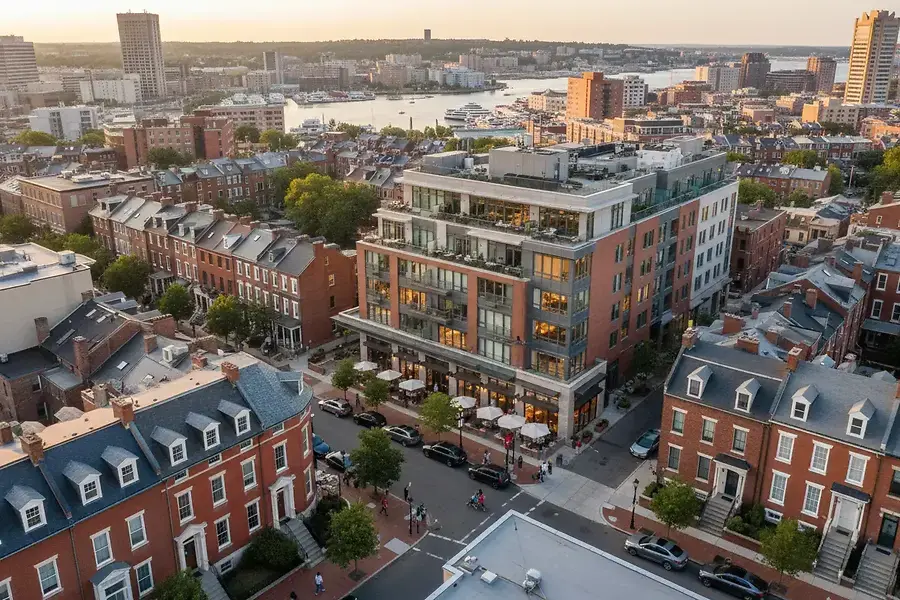
Understanding Mixed-Use Properties in Baltimore's Market
Mixed-use properties represent one of the most dynamic investment opportunities in Baltimore's real estate landscape. These dual-purpose properties combine residential units with commercial spaces—such as retail shops, offices, restaurants, or service providers—under a single roof or within the same development. This hybrid approach has become increasingly attractive to investors seeking diversified income streams and reduced vacancy risk.
Baltimore's urban revitalization efforts have created a fertile ground for mixed-use development. The city's strategic location on the East Coast, combined with its growing tech sector and cultural renaissance, makes it an ideal market for properties that serve both residents and businesses. The beauty of mixed-use properties lies in their flexibility—if one segment underperforms, the other can compensate, providing a natural hedge against market fluctuations.
Why Mixed-Use Properties Matter in Today's Market
The modern consumer increasingly values convenience and walkability. Mixed-use properties cater to this demand by creating vibrant neighborhoods where people can live, work, and shop without extensive commutes. For investors, this translates into higher occupancy rates, stronger tenant retention, and the ability to command premium rental prices.
Additionally, mixed-use properties often benefit from:
- Multiple revenue streams from residential and commercial tenants
- Reduced vacancy risk through diversified tenant base
- Enhanced property value due to increased foot traffic and community appeal
- Tax advantages and depreciation benefits across multiple property types
- Stronger resilience during economic downturns
Key Neighborhoods with Strong Residential-Commercial Potential
Fells Point and Harbor East
These waterfront neighborhoods remain Baltimore's premier mixed-use destinations. Fells Point's historic charm combined with its thriving restaurant and entertainment scene makes it ideal for properties featuring ground-floor retail with upper-level apartments. Harbor East's upscale positioning attracts both affluent residents and high-end commercial tenants, supporting premium rental rates.
Canton and Federal Hill
These neighborhoods have experienced remarkable revitalization, attracting young professionals and families. Mixed-use properties here benefit from strong residential demand paired with growing demand for neighborhood retail, cafes, and service businesses. The walkable street layouts and community-oriented atmosphere support successful commercial ground floors.
Station North Arts and Entertainment District
This emerging creative hub offers unique opportunities for mixed-use development. The area's focus on arts, culture, and entertainment creates demand for both residential lofts and creative commercial spaces. Investors willing to embrace the neighborhood's artistic character can find exceptional value and growth potential.
Hampden and Remington
These neighborhoods are experiencing rapid gentrification and appeal to creative professionals and entrepreneurs. Mixed-use properties here can combine affordable residential units with spaces for small businesses, startups, and creative enterprises, creating a vibrant community ecosystem.
Financial Benefits and ROI Considerations for Property Owners
Income Diversification and Stability
The primary financial advantage of mixed-use properties is income diversification. Rather than relying on a single tenant type, you generate revenue from multiple sources. This diversification significantly reduces financial risk and creates more predictable cash flows. If residential occupancy dips, commercial tenants may maintain steady payments, and vice versa.
Higher Capitalization Rates
Mixed-use properties in Baltimore often command higher cap rates than single-use properties, reflecting their complexity and the additional management required. However, this also means stronger potential returns for investors who can effectively manage both residential and commercial operations.
Appreciation and Long-Term Value
Baltimore's ongoing urban revitalization supports property appreciation. Mixed-use properties, particularly those in emerging neighborhoods, benefit from neighborhood improvement initiatives, increased foot traffic, and growing demand for walkable urban living.
Properties that successfully blend residential comfort with vibrant commercial activity tend to appreciate faster than single-use alternatives.
Tax Advantages
Mixed-use property owners can benefit from:
- Depreciation deductions on both residential and commercial components
- Deductible business expenses for property management and maintenance
- Potential cost segregation strategies to accelerate depreciation benefits
- Opportunity Zone benefits in qualifying Baltimore neighborhoods
Considerations and Challenges
While mixed-use properties offer substantial benefits, investors should understand the challenges. Management complexity increases with multiple tenant types requiring different services and lease structures. Zoning regulations can be restrictive, and finding the right balance between residential and commercial space requires market research and expertise.
Getting Started: Steps to Find and Evaluate Your Next Investment
Step 1: Conduct Market Research
Begin by studying Baltimore's neighborhoods to identify areas with strong residential demand and commercial potential. Analyze demographic trends, employment growth, and neighborhood development plans. Look for areas experiencing revitalization or showing signs of emerging popularity.
Step 2: Understand Zoning and Regulations
Mixed-use properties must comply with Baltimore's zoning codes. Work with a local real estate attorney to understand what combinations of residential and commercial uses are permitted in your target neighborhoods. Some areas have specific mixed-use zoning designations that simplify compliance.
Step 3: Evaluate Property Financials
Analyze potential properties using these metrics:
- Cap Rate: Compare to single-use properties and market averages
- Cash-on-Cash Return: Calculate expected annual returns on your investment
- Debt Service Coverage Ratio: Ensure rental income adequately covers mortgage payments
- Tenant Mix: Evaluate the stability and quality of existing or potential tenants
Step 4: Assess Management Requirements
Consider whether you'll self-manage or hire a property management company experienced with mixed-use properties. Professional management adds costs but ensures compliance with different lease types and tenant needs. Factor these expenses into your financial projections.
Step 5: Partner with Local Experts
Work with Baltimore-based real estate agents, brokers, and attorneys who understand the local market. Their expertise in neighborhood trends, zoning regulations, and tenant dynamics is invaluable. Local connections often provide access to off-market deals and insider knowledge.
Step 6: Develop a Business Plan
Create a comprehensive business plan outlining your investment strategy, target neighborhoods, financial projections, and exit strategy. This plan guides your investment decisions and helps secure financing from lenders who increasingly favor mixed-use properties.
Baltimore's mixed-use real estate market presents compelling opportunities for investors seeking diversified income streams and strong growth potential. By understanding the market, selecting the right neighborhoods, and carefully evaluating properties, you can build a profitable portfolio that capitalizes on the city's ongoing urban renaissance.


