Baltimore Home Inspection Essentials: What Buyers Need to Know
Discover the critical steps to protect your investment and avoid costly surprises when purchasing residential property in Baltimore.

Why Home Inspections Matter in Baltimore's Real Estate Market
Purchasing a home is one of the most significant financial decisions you'll make in your lifetime. In Baltimore's competitive real estate market, a thorough home inspection can be the difference between finding your dream home and inheriting a money pit. Home inspections provide an objective assessment of a property's condition, revealing hidden problems that could impact your safety, comfort, and financial investment.
Baltimore's housing market features a diverse inventory of properties, from historic row houses to modern developments. Each property type comes with its own set of potential issues. A professional home inspection gives you the knowledge and leverage you need to negotiate repairs, request credits, or walk away from a problematic purchase before it's too late.
Why should you invest in a home inspection? The answer is simple: peace of mind and protection. A comprehensive inspection typically costs between $300 and $500 but can save you thousands in unexpected repairs and renovations down the road.
Understanding Baltimore's Unique Structural Challenges and What Inspectors Look For
The Age Factor: Historic Homes and Modern Problems
Baltimore is home to thousands of historic properties, many built in the late 1800s and early 1900s. While these homes offer charm and character, they also present unique inspection challenges. Inspectors pay special attention to:
- Outdated electrical systems that may not meet current safety codes
- Original plumbing made from materials that deteriorate over time
- Asbestos and lead paint commonly found in older structures
- Settling and structural shifts that occur naturally over decades
- Deteriorating mortar joints between bricks that require specialized repair
Climate and Environmental Factors
Baltimore's climate, with its humid summers and freeze-thaw cycles in winter, creates specific challenges for home structures. Professional inspectors evaluate how well a property withstands these conditions by examining:
- Roof condition and ventilation systems
- Gutter and downspout functionality
- Basement and crawlspace moisture management
- Exterior caulking and weatherproofing
- HVAC system efficiency and maintenance history
What a Comprehensive Inspection Includes
A thorough Baltimore home inspection examines every major system and component of the property:
- Structural integrity: Foundation, framing, and load-bearing walls
- Roofing: Materials, age, condition, and remaining lifespan
- Exterior: Siding, windows, doors, and weatherproofing
- Plumbing: Water supply, drainage, fixtures, and water heater
- Electrical: Panel, wiring, outlets, and safety features
- HVAC: Heating, cooling, and ventilation systems
- Interior: Walls, ceilings, floors, and built-in appliances
Red Flags Specific to Baltimore Properties: Aging Infrastructure, Water Damage, and Foundation Issues
Water Damage: Baltimore's Most Common Problem
Water intrusion is the number one issue inspectors find in Baltimore homes. The city's age, combined with its climate, creates the perfect storm for moisture problems. Watch for these warning signs:
- Staining on ceilings or walls indicating roof leaks
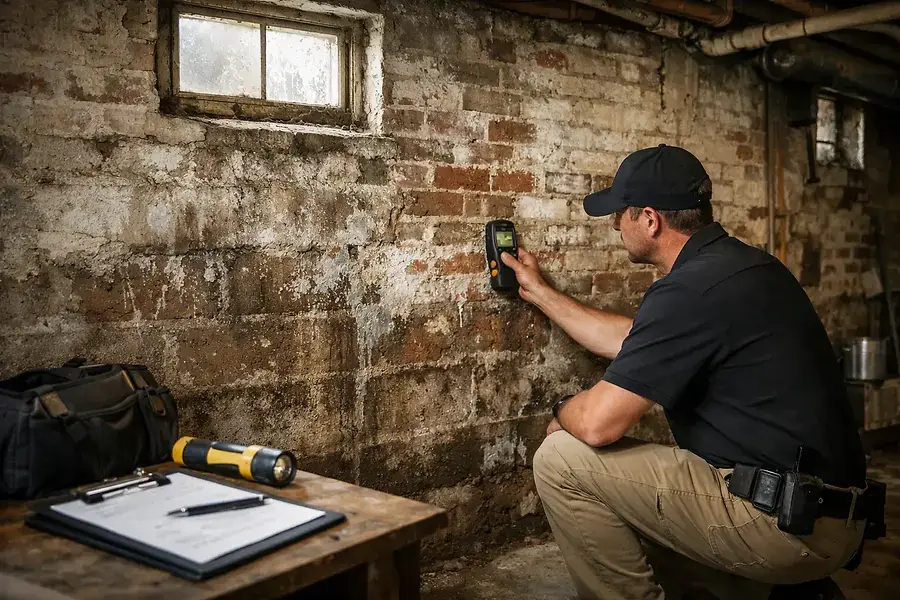
- Efflorescence (white powder) on basement walls showing water seepage
- Musty odors suggesting mold or mildew growth
- Soft spots in flooring or drywall from water damage
- Rust stains on basement walls or floors
Pro tip: Ask your inspector to use moisture meters to detect hidden water damage behind walls and in crawlspaces. This technology can reveal problems invisible to the naked eye.
Foundation and Structural Concerns
Many Baltimore row houses and older homes experience foundation settling, which is normal but requires monitoring. However, serious red flags include:
- Large cracks (wider than 1/4 inch) in the foundation
- Horizontal cracks indicating structural stress
- Bowing or leaning walls
- Gaps between walls and floors or ceilings
- Doors and windows that stick or won't close properly
Foundation repairs can be expensive, sometimes costing $10,000 or more. A professional inspector can determine whether issues are cosmetic or require immediate attention.
Aging Infrastructure and Systems
Baltimore's aging infrastructure extends beyond individual homes. Inspectors evaluate:
- Galvanized pipes: Common in older homes, these corrode over time and may need replacement
- Knob-and-tube wiring: An outdated electrical system that poses fire hazards
- Cast iron drain pipes: Prone to deterioration and blockages
- Oil heating systems: Found in many older Baltimore homes, requiring specialized knowledge
- Outdated HVAC: Systems that are inefficient and expensive to operate
Understanding the age and condition of these systems helps you budget for future replacements and understand ongoing maintenance costs.
Pest and Pest Damage Issues
Baltimore's urban environment and older housing stock make pest problems more common. Inspectors look for evidence of:
- Termite damage in wood framing and structural components
- Carpenter ant infestations
- Rodent droppings and entry points
- Bed bug signs in bedrooms and living areas
Making Informed Decisions Through Professional Inspections
A home inspection is your opportunity to gather critical information about your potential investment. Here's how to maximize its value:
Choose a qualified inspector: Look for inspectors certified by the American Society of Home Inspectors (ASHI) or the National Association of Home Inspectors (NAHI). Baltimore-based inspectors with local experience understand the city's specific challenges.
Attend the inspection: Walk through the property with your inspector. Ask questions and take notes. This hands-on approach helps you understand the home's condition and what maintenance will be needed.
Review the report carefully: The inspection report should be detailed and easy to understand. It should categorize issues by severity and provide recommendations for repairs or further evaluation.
Use the results strategically: Armed with inspection findings, you can negotiate repairs, request credits from the seller, or adjust your offer price. Some issues may be deal-breakers; others might be manageable with proper budgeting.
Remember: No home is perfect, especially in Baltimore where character and history come with age. The goal of an inspection is to understand what you're buying and make an informed decision.
Investing in a professional home inspection is one of the smartest decisions you can make as a Baltimore homebuyer. It protects your financial investment, ensures your safety, and gives you the confidence to move forward with your purchase. Don't let the excitement of finding a home cloud your judgment—get a thorough inspection and buy with confidence.


