Baltimore Home Inspection Essentials: What Buyers Need to Know
Discover the critical inspection points that protect your investment and reveal hidden issues before closing.

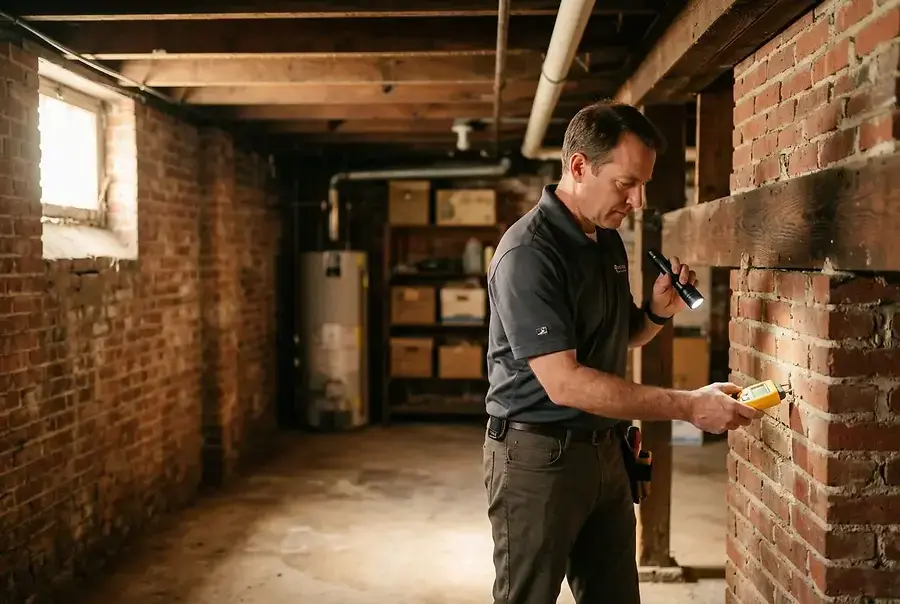
Understanding the Home Inspection Process
A home inspection is one of the most important steps in the home-buying process, especially in Baltimore where older homes are common. This comprehensive evaluation typically lasts two to three hours and involves a licensed inspector examining the property's structural integrity, systems, and overall condition.
During a standard inspection, the inspector will walk through every accessible area of the home, taking notes and photographs. The goal is to identify any existing problems or potential issues that could affect the property's value or safety. As a buyer, you have the right to accompany the inspector and ask questions about their findings.
It's important to understand that a home inspection is not the same as an appraisal. While an appraisal determines the home's market value for lending purposes, an inspection focuses on the condition and functionality of the property. Both are essential components of the home-buying process.
Key Areas Inspectors Examine in Baltimore Homes
Foundation and Structural Components
Baltimore's older homes often have unique structural challenges. Inspectors carefully examine the foundation for cracks, settling, or water damage. This is particularly crucial in Baltimore, where many homes were built in the 1800s and early 1900s. They'll also check the basement or crawl space for signs of moisture, mold, or pest damage.
Roofing and Exterior
The roof is one of the most expensive components to replace. Inspectors evaluate:
- Shingle condition and age
- Flashing around chimneys and vents
- Gutters and downspouts
- Exterior walls for damage or deterioration
- Windows and doors for proper sealing
In Baltimore's climate, proper drainage and weatherproofing are essential to prevent water intrusion and structural damage.
Plumbing Systems
Inspectors test water pressure, check for leaks, and examine pipes for corrosion or damage. Older Baltimore homes may have outdated plumbing materials that could require replacement. They'll also verify that the water heater is functioning properly and check for adequate water pressure throughout the home.
Electrical Systems
A thorough electrical inspection includes:
- Panel condition and capacity
- Outlet and switch functionality
- Grounding and bonding
- Safety concerns like outdated wiring
Many Baltimore homes may have older electrical systems that don't meet current safety standards, which is an important consideration for modern living.
HVAC and Heating Systems
The inspector will evaluate your heating and cooling systems for proper operation. They'll check the furnace or heat pump, air conditioning unit, and ductwork. Proper maintenance records are valuable documentation of system care.
Insulation and Ventilation
Adequate insulation and ventilation are critical for energy efficiency and preventing moisture problems. Inspectors check attic insulation levels and verify that bathrooms and kitchens have proper exhaust ventilation.
How to Interpret Your Inspection Report and Negotiate Repairs
Understanding the Report Format
Most inspection reports categorize findings into three levels: major issues, minor issues, and recommendations. Major issues require immediate attention and could affect the home's safety or value. Minor issues are less urgent but should still be addressed. Recommendations are suggestions for maintenance or improvements.
Take time to review the entire report carefully and don't hesitate to ask your inspector to clarify any findings or technical terms.
Prioritizing Issues
Not every issue found during an inspection requires negotiation. Focus on:
- Safety hazards (electrical, structural, or environmental)
- Major systems that are failing or near end of life
- Water damage or moisture problems
- Code violations
Minor cosmetic issues or routine maintenance items are typically the buyer's responsibility after purchase.
Negotiation Strategies
Once you have your inspection report, you have several options:
- Request repairs: Ask the seller to fix major issues before closing.
- Request credits: Negotiate a credit toward closing costs to handle repairs yourself.
- Request price reduction: Ask for a lower purchase price to account for necessary repairs.
- Walk away: If issues are too extensive, you may choose to terminate the contract.
Work with your real estate agent to determine what's reasonable to request based on the local market and the severity of the issues. Be prepared with repair estimates from contractors to support your negotiation position.
Getting Professional Estimates
Before negotiating, obtain written estimates from licensed contractors for major repairs. This gives you concrete numbers to discuss with the seller and ensures you're not underestimating repair costs. Many contractors offer free estimates, making this a valuable step in the process.
Conclusion: Making Informed Decisions with Inspection Insights
A home inspection is an investment in your peace of mind and financial security. By understanding what inspectors look for and how to interpret their findings, you're empowered to make informed decisions about your Baltimore home purchase.
Remember that no home is perfect, and older Baltimore properties often have character and charm that comes with some maintenance needs. The key is knowing what you're getting into and negotiating appropriately to protect your investment.
Take advantage of your inspection contingency period to thoroughly evaluate the property, ask questions, and gather information. Your future self will thank you for the diligence you invest in this critical step of the home-buying journey.


