Baltimore Home Inspection Essentials: What Every Buyer Must Know
Navigate the critical inspection process to identify potential issues before closing on your Baltimore property.

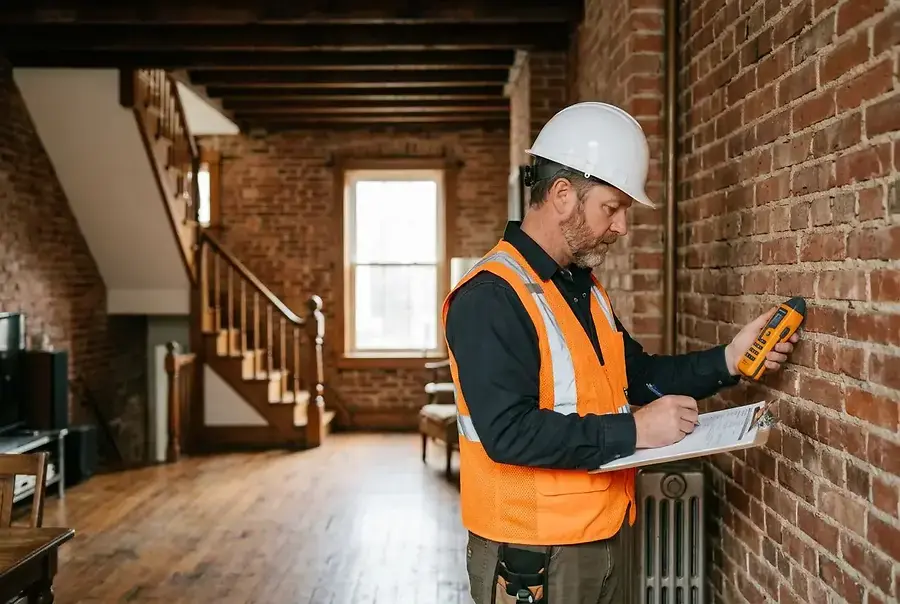
Understanding the Baltimore Home Inspection Process
A home inspection is one of the most critical steps in the home-buying process, especially in Baltimore where older properties and unique architectural styles are common. This comprehensive evaluation typically takes 2-3 hours and involves a licensed inspector examining the property's structural integrity, systems, and overall condition.
The inspection contingency period usually allows buyers 7-10 days to complete the inspection and review the results. During this window, you have the opportunity to request repairs, negotiate credits, or even withdraw from the purchase without penalty if significant issues are discovered. Understanding this timeline is essential for protecting your investment.
What to Expect During the Inspection
Your inspector will provide a detailed written report documenting their findings. This report typically includes photographs, descriptions of issues, and recommendations for repairs or further evaluation by specialists. Many inspectors use a severity rating system to help you prioritize concerns.
It's highly recommended that you attend the inspection in person. This allows you to ask questions, understand the issues firsthand, and learn about the property's maintenance history from the inspector.
Key Areas Inspectors Evaluate in Maryland Homes
Structural Components
Inspectors carefully examine the foundation, walls, and roof structure. In Baltimore, where many homes date back over a century, foundation issues are particularly common. Cracks, settling, or water damage can indicate serious structural problems that may require expensive repairs.
Roofing and Exterior
The roof is your home's first line of defense against Maryland's weather. Inspectors assess shingle condition, flashing integrity, gutters, and downspouts. They also evaluate siding, windows, doors, and any visible exterior damage that could lead to water intrusion.
Plumbing Systems
Water quality and flow are tested throughout the property. Inspectors check for:
- Galvanized pipes that may be corroded or failing
- Water pressure and drainage issues
- Leaks under sinks and around fixtures
- Proper venting and sump pump functionality
Electrical Systems
The inspector evaluates the main panel, wiring, outlets, and switches. Older Baltimore homes may have outdated electrical systems that don't meet current safety codes. Aluminum wiring, insufficient grounding, or overloaded circuits are common concerns in vintage properties.
HVAC and Mechanical Systems
Heating and cooling systems are tested for proper operation. The inspector notes the age of equipment, maintenance condition, and whether systems are functioning efficiently. In Baltimore's climate, both heating and air conditioning are essential.
Interior Components
Inspectors examine walls, ceilings, floors, and doors for damage. They also check for signs of water damage, mold, pest infestation, and proper ventilation in bathrooms and kitchens.
Red Flags to Watch For and When to Negotiate Repairs
Major Red Flags
Foundation Issues: Cracks wider than 1/4 inch, bowing walls, or signs of water intrusion warrant a structural engineer's evaluation before proceeding.
Roof Damage: If the roof is near the end of its lifespan or shows significant damage, expect replacement costs of $10,000-$20,000 or more. This is a major negotiation point.
Outdated Electrical Systems: Knob-and-tube wiring or aluminum wiring present safety hazards and may require complete rewiring—a substantial expense.
Plumbing Problems: Galvanized pipes, sewage backups, or low water pressure indicate costly repairs ahead. Cast iron drain pipes may also be deteriorating.
Mold and Water Damage: These issues suggest ongoing moisture problems that could affect your health and the home's structural integrity.
When to Negotiate
You have several options when the inspection reveals issues:
- Request Repairs: Ask the seller to fix items before closing. This ensures professional work and proper permits.
- Negotiate Credits: Request a credit toward closing costs to handle repairs yourself after purchase.
- Request Price Reduction: Ask for a lower purchase price to account for necessary repairs.
- Walk Away: If issues are too severe or costly, you can withdraw from the purchase during the inspection contingency period.
Minor issues like worn caulk, small drywall repairs, or cosmetic damage are typically the buyer's responsibility. Focus negotiations on structural, safety, and major system concerns.
Moving Forward: Using Inspection Results in Your Offer
Developing Your Negotiation Strategy
Before making repair requests, obtain repair estimates from licensed contractors. This gives you concrete numbers to support your negotiations and demonstrates that you're being reasonable in your requests.
Prioritize your concerns. Address safety issues and major systems first, then tackle structural problems. Cosmetic issues can often be handled after closing.
Working with Your Real Estate Agent
Your agent can provide valuable guidance on local market conditions and what's reasonable to request. In a competitive market, sellers may be less willing to negotiate, while in a buyer's market, you may have more leverage.
Getting Professional Opinions
For significant concerns, hire specialists such as structural engineers, electricians, or plumbers to provide detailed assessments. Their professional opinions carry weight in negotiations and help you understand the true scope of work needed.
Final Steps Before Closing
Once repairs are agreed upon, request a final walk-through inspection before closing to verify that all negotiated work has been completed satisfactorily. This protects you from inheriting unfinished repairs.
The home inspection is your opportunity to make an informed decision about one of the largest purchases of your life. By understanding what inspectors evaluate, recognizing red flags, and negotiating strategically, you can protect your investment and move forward with confidence in your Baltimore home purchase.