Baltimore's Mixed-Use Properties: Maximizing Investment Returns
Discover how residential-commercial hybrid properties are transforming Baltimore's real estate market and creating new wealth-building opportunities.

Understanding Mixed-Use Real Estate in Baltimore's Market
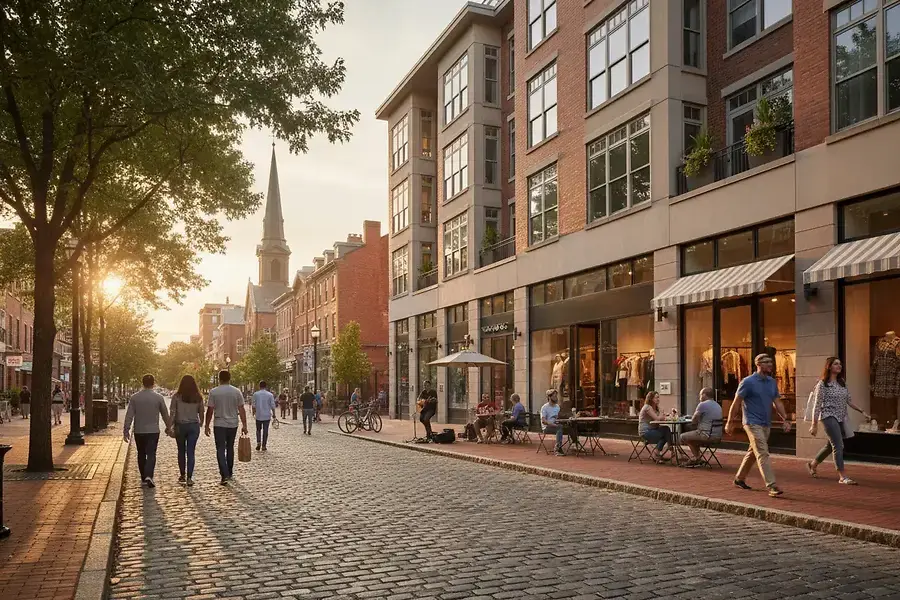
Mixed-use properties represent one of the most dynamic segments of Baltimore's real estate market. These properties combine residential units with commercial spaces—such as retail shops, offices, restaurants, or service providers—under one roof or within the same development. This hybrid approach has become increasingly attractive to investors seeking diversified income streams and reduced vacancy risks.
Baltimore's urban landscape is particularly well-suited for mixed-use development. The city's historic neighborhoods, walkable streets, and revitalization efforts create ideal conditions for properties that serve both residents and businesses. Unlike traditional single-use properties, mixed-use developments generate revenue from multiple sources, providing investors with greater financial stability and flexibility.
Why Mixed-Use Properties Matter in Baltimore
The appeal of mixed-use properties lies in their ability to maximize land utilization and create vibrant, self-sustaining communities. When residential and commercial spaces coexist, they create synergies that benefit everyone involved. Residents enjoy convenient access to shops and services, while business owners benefit from a built-in customer base. For investors, this translates to higher occupancy rates and increased property values.
Baltimore's ongoing urban renaissance has made mixed-use properties particularly valuable. As young professionals and families continue to move into the city, demand for properties that offer both living space and commercial convenience has surged. This trend shows no signs of slowing down, making now an excellent time to consider mixed-use investments.
Key Neighborhoods Offering Residential-Commercial Opportunities
Fells Point and Harbor East
These waterfront neighborhoods are prime locations for mixed-use investments. Fells Point's historic charm combined with its thriving restaurant and entertainment scene makes it ideal for properties featuring ground-floor retail or dining establishments with residential units above. Harbor East offers similar opportunities with a more upscale focus, attracting both residents and high-end commercial tenants.
Canton and Federal Hill
Canton has emerged as one of Baltimore's most desirable neighborhoods, with its mix of young professionals and established families. Mixed-use properties here command premium prices due to strong demand for both residential and commercial space. Federal Hill, known for its vibrant nightlife and community atmosphere, similarly offers excellent opportunities for investors seeking properties with ground-floor bars, restaurants, or retail alongside residential units.
Hampden and Remington
These neighborhoods represent the frontier of Baltimore's revitalization. Hampden's quirky, artistic vibe and Remington's emerging status as a cultural hub create unique opportunities for mixed-use properties that cater to creative professionals and entrepreneurs. Properties here often feature artist studios, boutique shops, and galleries alongside residential lofts, appealing to a demographic that values community and culture.
Downtown and Inner Harbor
The downtown core continues to attract investment, particularly in mixed-use developments that combine office space, retail, and residential units. The proximity to employment centers, cultural institutions, and waterfront attractions makes these locations highly desirable for both residents and businesses.
Financial Benefits and Investment Potential
Diversified Income Streams
The primary financial advantage of mixed-use properties is income diversification. Rather than relying solely on residential rent or commercial leases, investors benefit from multiple revenue sources. If residential occupancy dips, strong commercial performance can offset losses. This built-in hedge reduces overall investment risk and provides more stable cash flow.
Higher Occupancy Rates
Mixed-use properties typically experience higher occupancy rates than single-use buildings. The complementary nature of residential and commercial tenants means that when one sector faces challenges, the other often thrives. This stability makes mixed-use properties attractive to lenders, often resulting in better financing terms.
Appreciation Potential
Baltimore's real estate market has demonstrated strong appreciation potential, particularly in neighborhoods with mixed-use development. Properties that successfully blend residential and commercial uses often appreciate faster than single-use alternatives. This is because they appeal to a broader range of buyers and investors, creating stronger demand and higher valuations.
Tax Advantages and Operational Benefits
Mixed-use properties may offer tax benefits through cost segregation and depreciation strategies. Additionally, the operational efficiency of managing one property with multiple revenue streams can reduce per-unit management costs. Investors can also leverage commercial success to support residential improvements and vice versa.
Attracting Quality Tenants
Properties that offer convenience and community appeal attract higher-quality tenants willing to pay premium rents. Residents appreciate the walkability and access to services, while business owners value the foot traffic and established customer base. This creates a virtuous cycle of tenant retention and revenue growth.
Getting Started: Finding Your Perfect Mixed-Use Property
Conduct Thorough Market Research
Before investing, understand the specific neighborhood's demographics, growth trends, and commercial demand. Research which types of businesses thrive in your target area and what residential amenities are most sought after. This knowledge will guide your property selection and help you anticipate future profitability.
Evaluate Property Fundamentals
When analyzing mixed-use properties, examine:
- Current occupancy rates for both residential and commercial spaces
- Lease terms and tenant quality across all units
- Building condition and required capital improvements
- Zoning regulations and permitted uses
- Parking availability and accessibility
- Utility costs and operational expenses
Partner with Experienced Professionals
Work with real estate agents familiar with mixed-use properties, commercial brokers who understand tenant dynamics, and accountants experienced in mixed-use investment structures. These professionals can help you identify undervalued opportunities and structure deals for maximum returns.
Consider Financing Options
Mixed-use properties may qualify for specialized financing programs. Commercial lenders often view these properties favorably due to their diversified income streams. Explore conventional loans, SBA programs, and portfolio lenders who understand the unique characteristics of mixed-use investments.
Plan for Long-Term Value Creation
The most successful mixed-use investors think long-term. Rather than seeking quick flips, focus on properties with strong fundamentals and growth potential. Invest in tenant relationships, maintain properties well, and stay attuned to neighborhood trends. Over time, these properties often become increasingly valuable as neighborhoods mature and demand grows.
Start Small and Scale
If you're new to mixed-use investing, consider starting with a smaller property to learn the dynamics of managing both residential and commercial tenants. As you gain experience and build capital, you can scale to larger, more complex properties with greater return potential.
Baltimore's mixed-use real estate market presents compelling opportunities for investors willing to understand the unique dynamics of these properties. By selecting the right neighborhood, evaluating properties thoroughly, and partnering with experienced professionals, you can build a profitable portfolio that generates stable, diversified income while contributing to the city's continued revitalization.


