Baton Rouge Home Inspection Essentials: What Buyers Must Know
Protect your investment by understanding the critical inspection process every Baton Rouge homebuyer should master.

Why Home Inspections Matter in Baton Rouge's Market
Purchasing a home is one of the most significant financial decisions you'll make, and in Baton Rouge's competitive real estate market, a thorough home inspection is your best defense against costly surprises. A professional home inspection provides an objective assessment of a property's condition, revealing hidden issues that could affect your safety, comfort, and long-term investment value.
Baton Rouge's unique climate and environmental factors make inspections particularly important. The region's humidity, occasional flooding risks, and older housing stock mean that structural issues, mold, and water damage are common concerns. By investing in a comprehensive inspection, you gain leverage in negotiations and peace of mind knowing exactly what you're purchasing.
What to Expect During Your Inspection: A Room-by-Room Breakdown
Exterior and Foundation
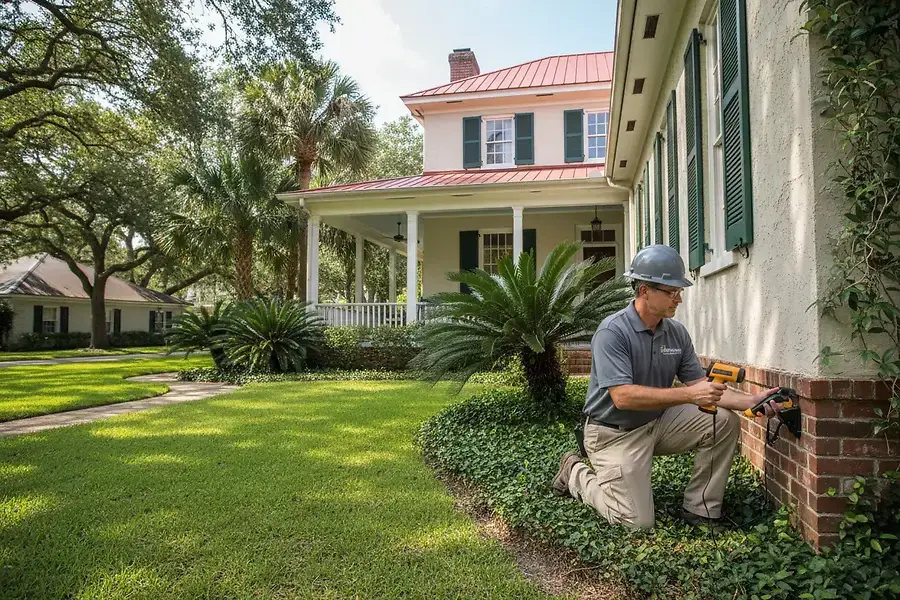
Your inspector will begin outside, examining the roof condition, gutters, siding, and foundation for cracks or settling issues. In Baton Rouge, inspectors pay special attention to water drainage around the foundation, as poor drainage can lead to basement flooding and structural damage. They'll also check for signs of pest damage and assess the overall structural integrity.
Roof and Attic
The roof is one of your home's most critical protective barriers. Inspectors evaluate shingle condition, flashing, ventilation, and insulation. Given Baton Rouge's weather patterns, they'll look for signs of water infiltration, mold growth, and proper attic ventilation to prevent moisture accumulation.
Plumbing Systems
Your inspector will test water pressure, check for leaks, examine pipe materials, and assess the water heater's condition. They'll identify outdated galvanized pipes that may need replacement and verify that the septic or municipal system is functioning properly. Baton Rouge's water quality and mineral content can affect plumbing longevity, so this inspection is crucial.
Electrical Systems
A thorough electrical inspection includes checking the panel, outlets, switches, and grounding. Inspectors verify that the system meets current safety codes and identify any potential fire hazards. Older homes in Baton Rouge may have outdated wiring that requires upgrades.
HVAC and Climate Control
Given Baton Rouge's hot, humid climate, your HVAC system is essential. Inspectors test heating and cooling efficiency, check refrigerant levels, and assess the system's age and maintenance history. They'll determine if the system can adequately handle the region's demanding cooling needs.
Interior Spaces
Room-by-room inspections include checking walls, ceilings, floors, windows, and doors for damage, moisture, or structural issues. Inspectors look for signs of mold, water damage, and pest infestations. They'll also verify that all appliances are functioning properly.
Common Issues Found in Baton Rouge Homes and How to Address Them
Water Damage and Mold
Baton Rouge's humid climate creates ideal conditions for mold growth and water damage. Common problem areas include basements, crawl spaces, and attics. If detected, address mold immediately with professional remediation and identify the moisture source to prevent recurrence. Water stains on ceilings or walls indicate past or ongoing leaks that require investigation.
Roof Issues
Many Baton Rouge homes have roofs nearing the end of their lifespan. Missing shingles, deteriorated flashing, and inadequate ventilation are frequent findings. Budget for roof replacement or repairs if your inspection reveals significant damage, as this is a major expense that shouldn't be delayed.
Foundation and Settling
Louisiana's soil composition can cause foundation settling and cracking. Minor cracks may be cosmetic, but significant cracks or signs of active settling require professional structural assessment. Foundation issues can be expensive to repair, so understanding their severity is critical for your decision-making.
Outdated Electrical and Plumbing
Older Baton Rouge homes often have outdated systems that don't meet current safety codes. Galvanized pipes, aluminum wiring, and insufficient outlets are common issues. While not always urgent, plan for eventual upgrades to ensure safety and functionality.
HVAC System Age
Many homes have aging air conditioning systems that struggle with Baton Rouge's heat and humidity. If your inspection reveals a system nearing the end of its lifespan, budget for replacement, as this is essential in the local climate.
Using Inspection Results to Negotiate and Close Your Deal
Request a Detailed Report
Ensure your inspector provides a comprehensive written report with photos and descriptions of all findings. This documentation is essential for negotiations and future reference. Review the report carefully and ask your inspector to clarify any concerns before proceeding.
Prioritize Issues by Severity
Categorize findings into three groups: critical issues (safety hazards or major structural problems), important repairs (systems nearing failure), and minor concerns (cosmetic or low-priority items). Focus negotiations on critical and important items that affect value and safety.
Get Repair Estimates
Obtain quotes from licensed contractors for major repairs. Armed with specific costs, you can negotiate more effectively with the seller. You might request that the seller complete repairs, reduce the purchase price, or provide credits toward repairs you'll handle yourself.
Negotiate Strategically
Use inspection findings as leverage without being unreasonable. Sellers expect some negotiation based on inspection results. Focus on legitimate concerns that affect the home's value and safety, and be prepared to compromise on minor issues. In Baton Rouge's market, a well-documented inspection report strengthens your negotiating position.
Make an Informed Final Decision
After negotiations, decide whether the property remains a good investment. If major issues remain unresolved and repair costs are prohibitive, you may choose to walk away. Remember, the inspection period is your opportunity to make an informed decision without penalty.
A professional home inspection is an investment in your peace of mind and financial security. By understanding what inspectors look for, recognizing common Baton Rouge issues, and using inspection results strategically, you'll navigate the home-buying process with confidence and protect your investment for years to come.


