Bellevue Home Inspection Guide: Protect Your Investment Before Closing
Discover the critical inspection points that protect your investment and reveal hidden issues before closing on your Bellevue property.

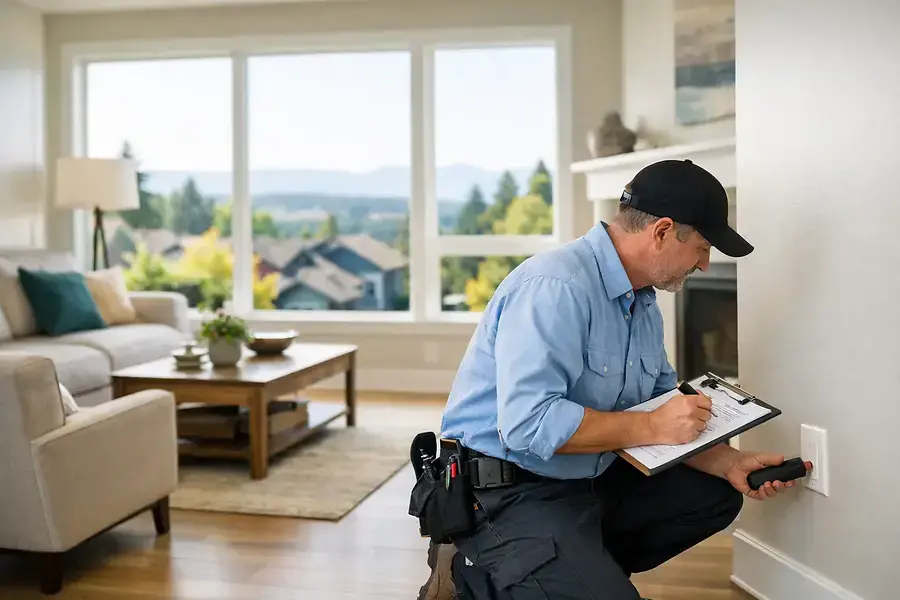
Why Home Inspections Matter in Bellevue's Competitive Market
Bellevue's real estate market moves fast. Properties sell quickly, and buyers often feel pressured to make rapid decisions. However, skipping or rushing through a home inspection is one of the costliest mistakes you can make. A thorough inspection protects your investment by uncovering hidden problems that could cost thousands to repair after closing.
In a competitive market, many buyers waive inspections to make their offers more attractive. This is a risky strategy. A professional home inspection is your opportunity to identify structural issues, mechanical failures, and safety hazards before you commit to the purchase. In Bellevue, where property values are high, the inspection becomes even more critical.
Think of a home inspection as insurance for your investment. For a relatively small fee, you gain detailed knowledge about the property's condition and can make informed decisions about whether to proceed, renegotiate, or walk away.
Key Areas Inspectors Examine and Red Flags to Watch For
Structural and Foundation Issues
Inspectors carefully examine the foundation, walls, and structural components. Red flags include:
- Cracks in the foundation or basement walls
- Uneven or sloping floors
- Gaps between walls and the foundation
- Water damage or moisture in the basement
- Signs of settling or shifting
Foundation problems are expensive to repair and can affect the entire home's integrity. If you notice these issues, request a structural engineer's evaluation before proceeding.
Roofing and Exterior
The roof is one of your home's most important protective barriers. Inspectors look for:
- Missing, cracked, or curling shingles
- Sagging roof lines
- Deteriorated flashing around chimneys and vents
- Moss or algae growth indicating moisture problems
- Age of the roof (most roofs last 15-25 years)
A failing roof can lead to water damage throughout the home. Budget for replacement if the roof is nearing the end of its lifespan.
Plumbing Systems
Water damage is one of the most common and costly issues in homes. Inspectors check:
- Water pressure and flow rates
- Leaks under sinks and around toilets
- Corroded or outdated pipes
- Drainage issues and backed-up sewage
- Water heater condition and age
Galvanized pipes, common in older Bellevue homes, often need replacement. This is a significant expense that should be factored into your offer.
Electrical Systems
Electrical problems pose safety risks and can be expensive to fix. Watch for:
- Outdated or insufficient electrical panels
- Aluminum wiring (a fire hazard)
- Missing ground fault circuit interrupters (GFCIs)
- Overloaded circuits
- Improper grounding or bonding
Homes with electrical issues may require complete rewiring, which is costly and disruptive.
HVAC and Insulation
Heating, ventilation, and air conditioning systems are essential for comfort and energy efficiency. Inspectors evaluate:
- Age and condition of furnaces and air conditioning units
- Proper ventilation and ductwork
- Insulation levels in attics and walls
- Energy efficiency ratings
Replacing HVAC systems can cost $5,000-$15,000, so understanding the condition is crucial for budgeting.
How to Prepare for an Inspection and Interpret the Report
Before the Inspection
Attend the inspection in person. This allows you to ask questions and see issues firsthand. Bring a notebook to jot down concerns and clarifications.
Request that the inspector explain what they're looking for and what they find. A good inspector will educate you about the home's systems and potential problems. Don't hesitate to ask questions—this is your investment.
Understanding the Report
Home inspection reports typically categorize findings into three levels:
- Major Issues: Significant problems requiring immediate attention or expensive repairs
- Minor Issues: Small problems that should be addressed but aren't urgent
- Maintenance Items: Regular upkeep recommendations to prevent future problems
Focus on major issues first. These are your negotiating points. Minor issues and maintenance items are often the homeowner's responsibility or can be addressed over time.
Getting a Second Opinion
For major issues, consider hiring a specialist. A structural engineer, electrician, or plumber can provide detailed assessments and repair cost estimates. This information strengthens your negotiating position.
Using Inspection Findings to Negotiate and Protect Your Purchase
Once you have the inspection report, you have several options:
Request Repairs: Ask the seller to fix major issues before closing. This ensures the work is done properly and you're not inheriting someone else's contractor.
Request Credits: Ask the seller to provide a credit toward closing costs to cover repairs you'll make yourself. This gives you control over the work quality.
Renegotiate the Price: Use inspection findings to justify a lower offer price that accounts for necessary repairs.
Walk Away: If major issues are discovered and the seller won't negotiate, you have the right to withdraw from the purchase without penalty (if your offer included an inspection contingency).
Pro Tip: Always include an inspection contingency in your offer. This protects you by allowing you to back out if significant problems are discovered, without losing your earnest money deposit.
In Bellevue's competitive market, having a thorough inspection report gives you leverage. Sellers expect negotiations based on inspection findings, and reasonable requests are often accommodated.
Conclusion: Protecting Your Bellevue Investment
A home inspection is not an optional step—it's a critical investment in your peace of mind and financial security. By understanding what inspectors look for, attending the inspection, and using the findings strategically, you protect yourself from costly surprises after closing.
Don't let the pressure of a competitive market rush you into skipping this essential step. A thorough inspection today can save you thousands of dollars and prevent years of headaches. Your Bellevue home is likely the largest purchase you'll ever make. Protect it with a comprehensive inspection.