Bellevue Home Inspections: What Every Buyer Must Know Before Closing
Discover the critical inspection checkpoints that protect your Bellevue home investment and prevent costly surprises.

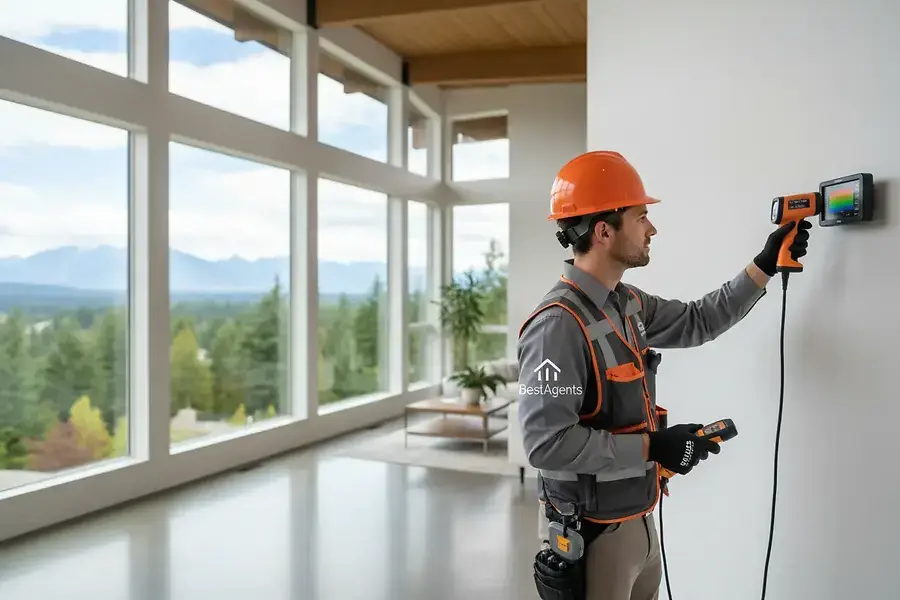
Why Home Inspections Matter in Bellevue's Competitive Market
Bellevue's real estate market moves fast. Properties sell quickly, and buyers often feel pressured to make rapid decisions. However, skipping or rushing through a home inspection is a mistake that can cost you thousands of dollars in unexpected repairs and renovations. A thorough home inspection is your opportunity to uncover hidden problems before you sign the final papers and hand over your money.
In Bellevue's competitive environment, homes are frequently purchased as-is or with minimal contingencies. This makes a professional inspection even more critical. The inspector acts as your advocate, identifying issues that might not be visible during a casual walkthrough. From structural concerns to mechanical failures, these professionals provide the detailed information you need to make an informed decision.
A home inspection protects your investment and gives you negotiating power. Whether you're buying a newly constructed home or a decades-old property, understanding what inspectors look for helps you ask the right questions and avoid costly surprises after closing.
Key Inspection Areas Every Bellevue Buyer Should Understand
Structural Integrity and Foundation
The foundation is the backbone of any home. Inspectors examine the foundation for cracks, settling, water damage, and signs of movement. In Bellevue, where homes sit on various soil types and elevations, foundation issues can be particularly concerning. Look for horizontal cracks, bowing walls, or gaps between the foundation and the home's frame.
The inspector will also check the structural framing, roof trusses, and load-bearing walls. These elements determine whether your home will stand strong for decades or require expensive reinforcement.
Roofing and Exterior Systems
Your roof is your first line of defense against the Pacific Northwest weather. Inspectors assess shingle condition, flashing integrity, gutters, and downspouts. They look for missing shingles, curling, granule loss, and signs of leaks. A roof replacement can easily cost $15,000 to $30,000, so understanding its remaining lifespan is crucial.
The exterior inspection also includes:
- Siding condition and water damage
- Window and door seals
- Deck and patio structural integrity
- Grading and drainage around the foundation
Plumbing Systems
Water damage is one of the most expensive problems homeowners face. Inspectors test all fixtures, check for leaks under sinks, examine water pressure, and assess the water heater's condition and age. They also identify the type of pipes used—older homes may have galvanized or polybutylene pipes that are prone to failure.
Pay special attention to the main water line and sewer connection. These repairs can cost $5,000 to $25,000 if problems exist.
Electrical Systems
A qualified inspector will examine the electrical panel, test outlets, check for proper grounding, and identify any outdated or unsafe wiring. Older homes in Bellevue may have aluminum wiring or insufficient capacity for modern electrical demands. Upgrading an electrical panel can cost $3,000 to $8,000.
HVAC and Mechanical Systems
The heating, ventilation, and air conditioning systems are essential for comfort and health. Inspectors evaluate furnace and air conditioning unit age, efficiency, and condition. They check ductwork for leaks and proper insulation. A new HVAC system can cost $8,000 to $15,000, so knowing the current system's remaining lifespan matters.
Insulation and Ventilation
Proper insulation and ventilation affect energy efficiency and prevent moisture problems. Inspectors assess attic insulation levels, ventilation adequacy, and signs of moisture or mold. Poor ventilation can lead to expensive mold remediation and structural damage.
Red Flags and How to Negotiate After Inspection Results
Major Red Flags That Require Attention
Certain inspection findings should trigger serious concern:
- Foundation cracks or settling – Indicates potential structural problems
- Active water damage or mold – Health hazard and costly to remediate
- Outdated electrical panels or wiring – Fire hazard and insurance concerns
- Failing roof – Immediate replacement needed
- Plumbing or sewer issues – Can cause extensive damage
- HVAC system failure – Expensive replacement required
Negotiation Strategies
Once you have the inspection report, you have several options:
- Request repairs: Ask the seller to fix identified issues before closing
- Request credits: Negotiate a price reduction to cover repair costs yourself
- Request inspections: Ask for specialized inspections (mold, radon, termites) for concerning areas
- Walk away: If major issues exist and the seller won't negotiate, you have the right to withdraw
Remember: In Bellevue's market, sellers have options. Present your requests professionally and reasonably. Focus on safety issues and major systems rather than cosmetic concerns.
Getting Specialized Inspections
If the general inspection reveals potential problems, consider specialized inspections:
- Radon testing (health concern in some areas)
- Mold inspection and testing
- Termite and pest inspection
- Septic system inspection (if applicable)
- Well water testing (if applicable)
Making Informed Decisions with Inspection Data
A home inspection report is your roadmap to understanding your potential purchase. Don't let the competitive market pressure you into ignoring red flags or skipping this critical step. A thorough inspection costs $400 to $800 but can save you tens of thousands in unexpected repairs.
Use the inspection report to:
- Understand the home's true condition
- Prioritize necessary repairs and upgrades
- Plan your budget for maintenance and improvements
- Make an informed decision about whether this home is right for you
Buying a home in Bellevue is a significant investment. By understanding what inspectors look for and how to use inspection results, you protect yourself and make confident decisions. Don't rush the process—take time to review the report, ask questions, and negotiate based on facts, not emotions.
Your future self will thank you for the diligence you invest today.