Bellingham Home Buying: Understanding Local Inspection Standards
Learn what Bellingham inspectors prioritize and how to prepare your home for a successful inspection.

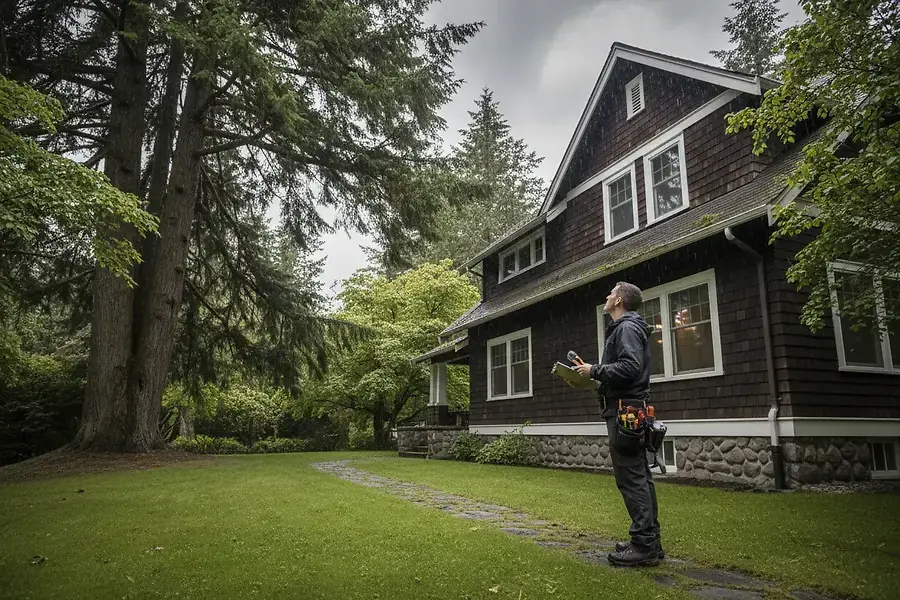
Why Bellingham-Specific Inspection Knowledge Matters
When buying or selling a home in Bellingham, understanding local inspection standards is crucial to the success of your real estate transaction. Bellingham's unique climate, architectural styles, and building history create specific challenges that inspectors prioritize differently than in other regions. Whether you're a first-time homebuyer or an experienced investor, knowing what local inspectors focus on can save you thousands of dollars and prevent unexpected surprises after closing.
Home inspections in Bellingham aren't just about checking boxes—they're about identifying issues that are particularly relevant to our Pacific Northwest environment. From moisture damage to foundation concerns, local inspectors understand the specific vulnerabilities that homes in this area face. By familiarizing yourself with these standards, you can make informed decisions and take proactive steps to protect your investment.
Common Inspection Concerns in Bellingham's Climate and Older Homes
Moisture and Water Damage
Bellingham's rainy climate makes moisture management the top priority for local inspectors. With an average of 35 inches of annual rainfall, water intrusion is a persistent concern. Inspectors carefully examine:
- Roof condition and flashing integrity
- Gutter systems and proper drainage
- Foundation cracks and water seepage
- Basement or crawlspace moisture levels
- Window and door seals
Pro tip: Have your gutters cleaned and inspected before a home inspection. Ensure downspouts direct water at least 4-6 feet away from your foundation.
Foundation and Structural Issues
Many Bellingham homes were built decades ago on foundations that may not meet current standards. Inspectors look for settling, cracks, and signs of movement. Older homes with pier-and-beam foundations are particularly scrutinized for proper support and ventilation. Foundation issues can be expensive to repair, so inspectors take this seriously.
Roof and Attic Concerns
Given our wet climate, roof condition is paramount. Inspectors assess:
- Shingle age and wear
- Proper ventilation to prevent moisture buildup
- Flashing around chimneys and vents
- Signs of leaks or water stains
Plumbing and Drainage Systems
Older Bellingham homes often have outdated plumbing systems. Inspectors check for galvanized pipes (prone to corrosion), proper grading for drainage, and septic system functionality in rural areas. Water pressure and drainage flow are tested thoroughly.
Electrical Systems
Homes built before the 1980s may have outdated electrical panels or aluminum wiring, both of which are red flags for inspectors. Modern safety standards require proper grounding and adequate capacity for contemporary appliances.
Preparing Your Property to Pass Inspection with Flying Colors
Pre-Inspection Walkthrough
Before the official inspection, conduct your own thorough walkthrough. Check every room, attic, basement, and exterior surface. Look for obvious issues like:
- Water stains on ceilings or walls
- Cracks in foundation or walls
- Mold or mildew growth
- Damaged roofing or siding
- Malfunctioning doors or windows
Address Major Issues First
Focus on the items that inspectors prioritize in Bellingham. Roof repairs, foundation issues, and water damage should be your top priorities. These are the most expensive problems and the ones that most concern buyers. Getting these fixed before inspection demonstrates that you've maintained your home responsibly.
Document Maintenance and Repairs
Gather receipts and records for any recent work done on your home. Documentation of roof repairs, electrical upgrades, plumbing work, and HVAC maintenance shows inspectors that your home has been well-maintained. This builds confidence in potential buyers.
Clean and Declutter
A clean home allows inspectors to access all areas easily. Clear attics, basements, and crawlspaces of stored items. Ensure gutters are clean, landscaping is trimmed back from the foundation, and all utility areas are accessible. A well-maintained appearance suggests overall good care.
Test All Systems
Before inspection day, test:
- All lights and electrical outlets
- Plumbing fixtures and drainage
- Heating and cooling systems
- Appliances included in the sale
- Garage doors and openers
Fix any minor issues that you discover. These small problems can raise concerns about overall maintenance.
Improve Drainage and Grading
Ensure water flows away from your foundation. Grade the soil so it slopes away from the house, and ensure downspouts extend properly. Proper drainage is one of the easiest ways to prevent future water damage and shows inspectors you understand Bellingham's moisture challenges.
Address Ventilation Issues
Proper attic and crawlspace ventilation prevents moisture buildup and mold growth. Ensure vents aren't blocked and that your home has adequate air circulation. This is particularly important in Bellingham's damp climate.
Using Inspection Insights to Strengthen Your Home's Value
Understanding what Bellingham inspectors look for isn't just about passing an inspection—it's about strengthening your home's long-term value. By addressing moisture concerns, maintaining structural integrity, and keeping systems updated, you're investing in your property's future.
Whether you're preparing to sell or simply want to maintain your home responsibly, prioritizing the issues that matter most in Bellingham's climate will pay dividends. A well-inspected, well-maintained home commands better prices and attracts serious buyers who understand the value of proper care.
Remember: The best time to address inspection concerns is before the inspector arrives. Proactive maintenance and repairs demonstrate responsible ownership and protect your investment in Bellingham's competitive real estate market.
By taking these steps and understanding local inspection standards, you'll be well-prepared for whatever the inspection process brings. Your knowledge of Bellingham-specific concerns gives you a significant advantage in the home buying and selling process.