Bellingham Home Inspection Essentials: What Buyers Must Know
Discover the critical inspection points that protect your investment and reveal hidden issues before closing day.

Understanding the Home Inspection Process in Bellingham
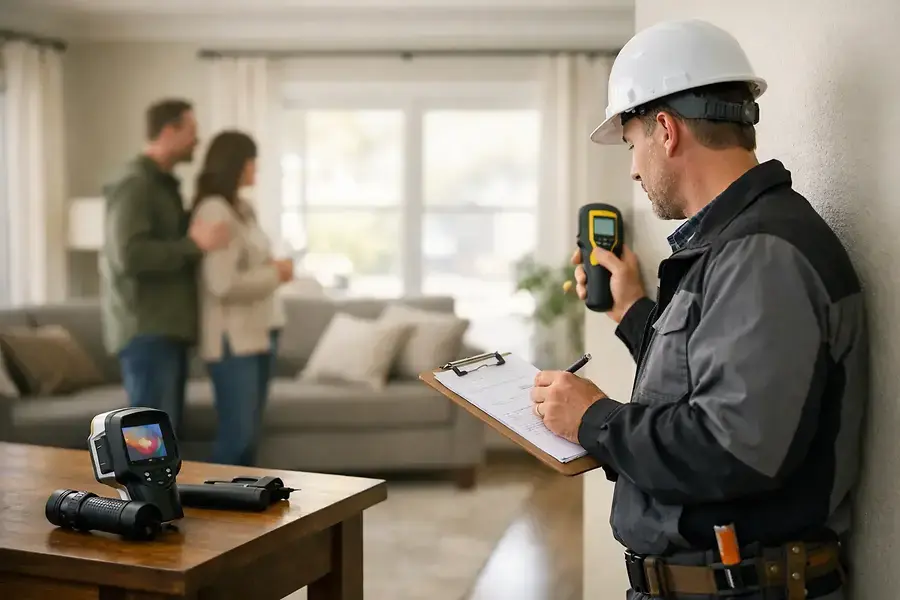
A home inspection is one of the most important steps in the home buying process. This comprehensive evaluation of a property's condition provides you with critical information before you commit to your purchase. In Bellingham, licensed home inspectors conduct thorough assessments that typically take two to three hours, depending on the home's size and age.
During a standard inspection, the inspector will examine the home's major systems and components, documenting their condition and identifying any issues. The inspection report becomes your roadmap for negotiating repairs, requesting credits, or making an informed decision about whether to proceed with the purchase. Understanding what happens during this process helps you prepare mentally and logistically for the inspection day.
What to Expect During Your Inspection
Your inspector will systematically evaluate the property from top to bottom. They'll start with the roof and exterior, then move through the interior, checking walls, ceilings, and floors. The inspector will test electrical outlets, examine plumbing fixtures, and assess the HVAC system. You have the right to be present during the inspection, and it's highly recommended that you attend to ask questions and learn about the property firsthand.
Key Areas Inspectors Evaluate and Common Red Flags
Structural and Foundation Issues
The foundation is the backbone of any home. Inspectors look for cracks, settling, water damage, and signs of movement. In Bellingham's damp climate, foundation problems can develop over time due to moisture exposure. Significant cracks, bowing walls, or evidence of water intrusion are serious red flags that may require expensive repairs.
Roofing and Exterior Concerns
Your roof protects everything beneath it. Inspectors evaluate shingle condition, flashing integrity, and signs of leaks. They'll check gutters, downspouts, and the overall exterior condition. Common issues include:
- Missing or damaged shingles
- Deteriorated flashing around chimneys and vents
- Clogged or damaged gutters
- Rotting wood on siding or trim
- Improper drainage away from the foundation
Plumbing and Water Systems
Water damage is a major concern in the Pacific Northwest. Inspectors test water pressure, check for leaks under sinks, examine water heaters, and look for signs of past or present water damage. Galvanized pipes, outdated plumbing, and evidence of mold are important findings that affect both safety and home value.
Electrical Systems
Outdated electrical systems pose safety risks. Inspectors check the panel, test outlets, and look for improper wiring. Aluminum wiring, insufficient grounding, and overloaded circuits are common issues in older Bellingham homes. These problems may require upgrades before you move in.
HVAC and Insulation
Heating and cooling systems must work efficiently, especially in our climate. Inspectors evaluate furnaces, air conditioning units, and ductwork. They also assess insulation levels in the attic and walls. Poor insulation and aging HVAC systems can significantly impact your utility bills.
Moisture and Mold Concerns
Bellingham's wet climate makes moisture and mold a critical concern. Inspectors look for:
- Visible mold or mildew
- Water stains on ceilings and walls
- Soft or spongy wood
- Musty odors
- Poor ventilation in bathrooms and crawl spaces
How to Prepare for Your Inspection and Review Results
Before the Inspection
Preparation ensures you get the most value from your inspection. Provide the inspector with any documentation about previous repairs, renovations, or known issues. Make sure the home is accessible—unlock gates, clear pathways to the attic and basement, and ensure utilities are on. Arrange to be present during the inspection so you can ask questions and observe the inspector's findings.
Understanding Your Inspection Report
The inspection report is detailed and comprehensive. It categorizes findings by severity: items needing immediate attention, those requiring repair soon, and minor maintenance issues. Don't panic if the report lists multiple items—most homes have some issues. Focus on significant structural, safety, and system problems rather than cosmetic concerns.
Review the report carefully and ask your real estate agent or inspector to clarify anything you don't understand. Take photos of areas of concern and research typical repair costs in the Bellingham area.
Prioritizing Findings
Not all inspection findings require the same level of urgency. Prioritize issues in this order:
- Safety hazards (electrical problems, structural damage, mold)
- Major systems (roof, foundation, HVAC, plumbing)
- Water intrusion issues (critical in our climate)
- Deferred maintenance (painting, minor repairs)
Taking Action: Next Steps After Your Inspection Report
Negotiating Repairs and Credits
Armed with your inspection report, you can negotiate with the seller. You have several options: request that the seller make repairs before closing, ask for a credit to handle repairs yourself, or request a price reduction. Be reasonable in your requests—focus on significant issues rather than minor maintenance items. Your real estate agent can help you determine fair requests based on local market conditions and repair costs.
Getting Second Opinions
For major issues, consider hiring specialists. A structural engineer can assess foundation concerns, a roofer can evaluate roof condition, and a mold specialist can test for contamination. These additional inspections provide detailed information and professional recommendations for repairs.
Making Your Final Decision
After reviewing the inspection report and negotiating with the seller, you must decide whether to proceed with the purchase. Consider the overall condition of the home, the cost of necessary repairs, and your budget for future maintenance. A home with some issues can still be a great investment if the problems are manageable and the price reflects the condition.
Post-Closing Considerations
Even after closing, your inspection report remains valuable. Use it to prioritize repairs and maintenance. Address safety issues immediately and plan for larger repairs like roof replacement or foundation work. Keep detailed records of all repairs and maintenance for future reference and resale value.
Remember: A thorough home inspection is an investment in your peace of mind and financial security. Don't skip this critical step in the home buying process.
By understanding the inspection process, knowing what inspectors look for, and taking action on their findings, you protect your investment and make an informed decision about your Bellingham home purchase. This knowledge empowers you to negotiate confidently and move forward with confidence in your new home.


