Best Investment Opportunities in St. Louis Suburban Real Estate Markets
Discover which St. Louis suburbs offer the strongest returns for residential real estate investors seeking growth opportunities.

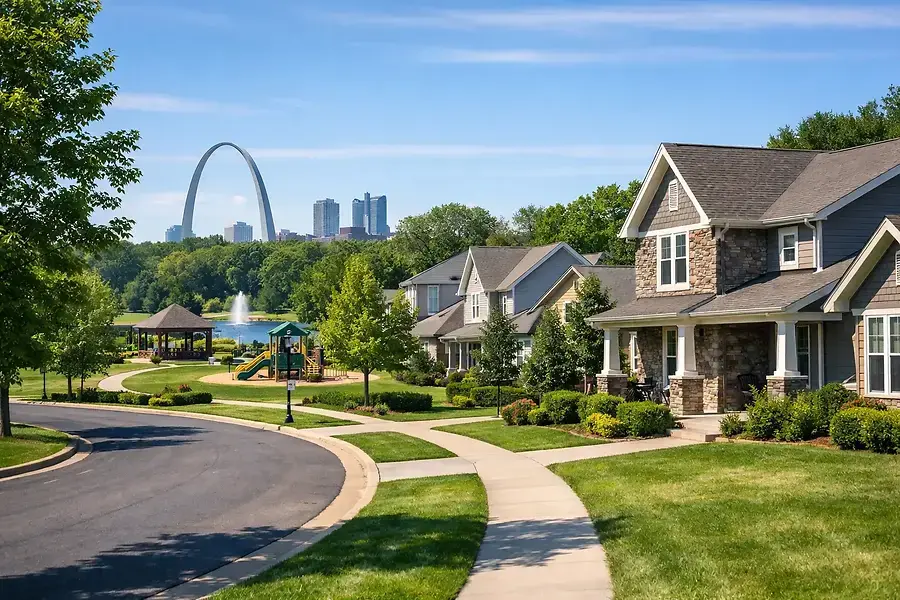
Understanding the Current St. Louis Suburban Real Estate Market
The St. Louis suburban real estate market has emerged as one of the Midwest's most attractive investment destinations. With a combination of affordable entry prices, steady population growth, and strong rental demand, suburban communities surrounding St. Louis present compelling opportunities for both novice and experienced investors.
The region benefits from a diverse economic base, including healthcare, technology, and manufacturing sectors that continue to drive employment and attract new residents. Unlike many overheated coastal markets, St. Louis suburbs offer reasonable property valuations while maintaining solid appreciation potential. This balance makes the area particularly appealing for investors seeking sustainable long-term returns without excessive risk.
Market Fundamentals
Several factors contribute to the strength of St. Louis's suburban real estate market. Population stability in the region provides a consistent tenant base, while job creation in major employment centers ensures continued demand for housing. Additionally, the cost of living remains competitive, allowing investors to achieve higher cash-on-cash returns compared to national averages.
High-Growth Suburbs: Comparing Investment Returns Across Communities
Not all St. Louis suburbs offer equal investment potential. Identifying the communities with the strongest fundamentals is crucial for maximizing returns.
Top-Performing Suburban Markets
- Clayton and University City: These established communities attract young professionals and families, supporting premium rental rates and consistent property appreciation. The proximity to Washington University and major employers makes these areas particularly desirable.
- Kirkwood: Known for excellent schools and family-friendly amenities, Kirkwood continues to appreciate steadily. The community's strong reputation supports both rental demand and long-term value growth.
- Webster Groves: This affluent suburb offers stable appreciation and strong rental demand from professionals seeking quality neighborhoods. The established infrastructure and community services attract quality tenants.
- Ladue: As one of the region's most prestigious addresses, Ladue appeals to high-income renters and buyers, supporting premium pricing and strong investment returns.
- Emerging Opportunities: Communities like Florissant, Ferguson, and Affton are experiencing revitalization efforts that present value-add investment opportunities for investors with longer time horizons.
Comparative Analysis
When comparing these markets, consider price-to-rent ratios, which indicate whether properties are relatively affordable compared to rental income potential. Markets with lower ratios typically offer better cash flow opportunities. Additionally, examine year-over-year appreciation rates to identify communities experiencing momentum.
"The best investment isn't always in the most expensive neighborhood—it's in the community where fundamentals align with your investment strategy."
Rental Market Demand and Property Appreciation Trends
Understanding rental dynamics is essential for investors focused on income-producing properties. St. Louis suburbs demonstrate strong rental demand driven by several factors.
Rental Market Strength
The rental market in St. Louis suburbs remains robust due to:
- Demographic shifts: More young professionals are choosing to rent longer before purchasing, extending the prime rental-demand years.
- Corporate relocations: Companies moving operations to the St. Louis area bring employees seeking quality rental housing.
- Affordability: Compared to other major metros, St. Louis rents remain reasonable, attracting renters from higher-cost regions.
- School quality: Families prioritize neighborhoods with excellent schools, creating consistent demand in top-rated districts.
Appreciation Trends
Property appreciation in St. Louis suburbs has historically outpaced inflation, though growth varies by community. Established neighborhoods with strong fundamentals show steady, predictable appreciation. Revitalizing areas offer higher appreciation potential but carry greater risk. Strategic investors balance these considerations based on their risk tolerance and investment timeline.
Recent trends indicate that properties in communities with strong schools, low crime rates, and active community development show the most consistent appreciation. These neighborhoods attract quality tenants and maintain strong buyer demand, supporting both rental income and long-term value growth.
Making Your Investment Decision: Key Metrics and Next Steps
Before committing capital to St. Louis suburban real estate, evaluate your investment using critical metrics and a structured decision-making process.
Essential Investment Metrics
- Cap Rate: Calculate the capitalization rate to understand your annual return on investment. Aim for cap rates between 5-8% in St. Louis suburbs, depending on the specific market.
- Cash-on-Cash Return: Determine your actual annual cash return after accounting for financing, taxes, insurance, and maintenance.
- Price-to-Rent Ratio: Divide the property price by annual rental income. Lower ratios indicate better rental yield potential.
- Appreciation Potential: Research historical appreciation rates and future development plans in the target neighborhood.
- Vacancy Rates: Understand typical vacancy rates in your target market to project realistic income.
Due Diligence Steps
Take these steps before making your investment:
- Research local employment centers and job growth projections to ensure sustained demand.
- Review school ratings and community amenities that drive tenant quality and retention.
- Analyze crime statistics and neighborhood trends to assess long-term viability.
- Connect with local property managers to understand operational realities and tenant demand.
- Evaluate property condition and necessary improvements to ensure realistic return projections.
Next Steps for Investors
Once you've identified promising markets and properties, build relationships with local real estate professionals who understand the nuances of St. Louis suburban markets. Work with experienced property managers familiar with the specific community. Consider starting with a single property to gain experience before scaling your portfolio.
St. Louis suburban real estate offers genuine opportunity for investors willing to conduct thorough research and think strategically about their investment approach. By focusing on communities with strong fundamentals, understanding rental dynamics, and applying disciplined analysis, you can build a profitable real estate portfolio in this undervalued market.


