Bethesda Home Sellers: Understanding Real Estate Taxes and Deductions
Navigate capital gains, transfer taxes, and deductions to maximize your home sale profits in Maryland.

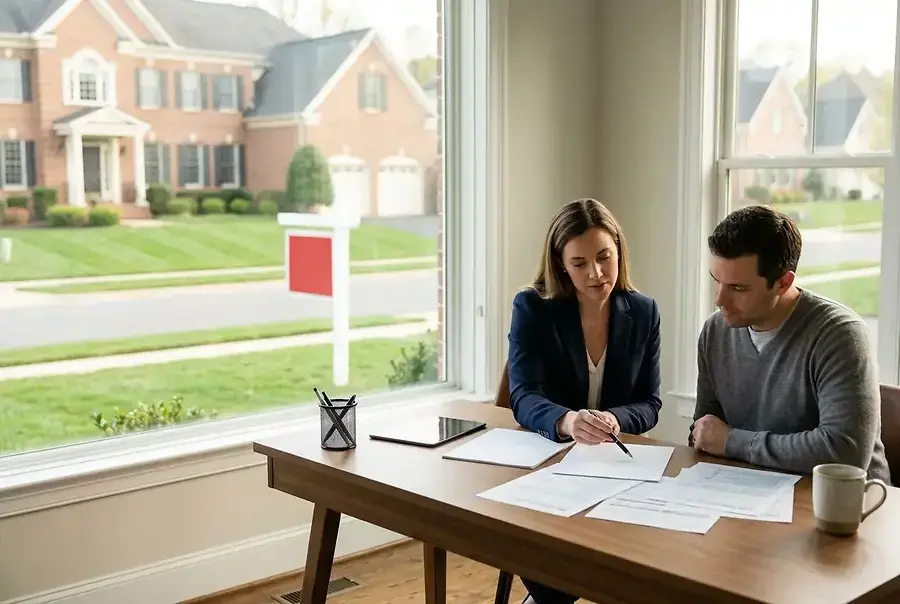
Introduction: Understanding the Tax Implications of Selling Your Bethesda Home
Selling your home in Bethesda is an exciting milestone, but it comes with significant tax considerations that many homeowners overlook. Whether you're a first-time seller or a seasoned investor, understanding the tax landscape can mean the difference between keeping more of your profits or paying unnecessary taxes. From Maryland's transfer taxes to federal capital gains obligations, the process involves multiple layers of taxation that require careful planning.
The good news is that homeowners have access to several deductions and exclusions designed to reduce their tax burden. By understanding these opportunities and planning strategically, you can maximize the net proceeds from your home sale and protect your financial interests.
Maryland Transfer Tax and County-Specific Fees for Bethesda Properties
Understanding Maryland's Transfer Tax
Maryland imposes a transfer tax on the sale of real property, which is one of the first taxes you'll encounter when selling your Bethesda home. This tax is calculated as a percentage of the sale price and is typically split between the buyer and seller, though this can be negotiated in your sales contract.
Key points about Maryland's transfer tax:
- The state transfer tax rate is 0.5% of the sale price
- Montgomery County (where Bethesda is located) adds an additional 1.0% county transfer tax
- Combined state and county transfer tax totals 1.5% of your sale price
- For a $500,000 home sale, this could amount to $7,500 in transfer taxes
County-Specific Considerations for Bethesda
Bethesda, located in Montgomery County, has specific regulations and fees that sellers should understand. Montgomery County is one of Maryland's most affluent areas, and property values reflect this reality. The county's transfer tax structure is straightforward, but it's important to budget for these costs when planning your sale.
Additionally, some Bethesda properties may be subject to special assessment districts or homeowners association fees that could affect your net proceeds. Review your property documents carefully to identify any additional obligations that might impact your final sale amount.
Exemptions and Special Circumstances
While most home sales are subject to transfer taxes, certain exemptions may apply. These can include transfers between family members, transfers to trusts, or transfers for charitable purposes. If your situation involves any of these circumstances, consult with a tax professional to determine if you qualify for an exemption.
Federal Capital Gains Tax Considerations and Exclusion Strategies
The Primary Residence Exclusion
One of the most valuable tax benefits available to homeowners is the primary residence exclusion on federal capital gains taxes. This provision allows you to exclude a significant portion of your home sale profits from federal taxation, provided you meet specific requirements.
To qualify for the exclusion, you must:
- Have owned the home for at least 2 of the last 5 years before the sale
- Have lived in the home as your primary residence for at least 2 of the last 5 years
- Not have used this exclusion on another home sale within the past 2 years
If you meet these requirements, you can exclude up to $250,000 in capital gains if you're single, or $500,000 if you're married filing jointly. This exclusion can result in substantial tax savings for Bethesda homeowners.
Calculating Your Capital Gains
Your capital gain is calculated by subtracting your adjusted cost basis from your sale price. Your cost basis includes your original purchase price plus any capital improvements you've made to the property, such as a new roof, kitchen renovation, or addition.
Example calculation:
Purchase price: $400,000
Capital improvements: $75,000
Adjusted cost basis: $475,000
Sale price: $650,000
Capital gain: $175,000
Taxable gain (after $250,000 exclusion): $0
In this scenario, the homeowner would owe no federal capital gains tax because the gain falls within the exclusion limit.
Situations Where Capital Gains Tax May Apply
If your capital gain exceeds the exclusion limits, you'll owe federal capital gains tax on the excess amount. The tax rate depends on your income level and filing status, ranging from 0% to 20% for long-term capital gains. Additionally, high-income earners may be subject to the 3.8% Net Investment Income Tax (NIIT) on capital gains.
For Bethesda properties that have appreciated significantly, working with a tax professional to plan your sale timing and structure can help minimize these obligations.
Deductions and Expenses You Can Claim
While you can't deduct the cost of selling your home from your capital gains, you can add certain selling expenses to your cost basis, which reduces your taxable gain. These include:
- Real estate agent commissions
- Title insurance and closing costs
- Attorney fees for the sale
- Home inspection and appraisal fees
- Advertising and marketing costs
Keep detailed records of all expenses related to your home sale to maximize these deductions.
Conclusion: Work With Professionals to Minimize Tax Burden and Protect Your Proceeds
Selling your Bethesda home involves navigating multiple tax obligations at both the state and federal levels. While the primary residence exclusion provides substantial relief for most homeowners, the complexity of capital gains calculations, transfer taxes, and deductible expenses requires careful attention to detail.
The most important step you can take is to consult with qualified professionals before listing your home. A tax accountant or CPA can help you understand your specific situation, identify all available deductions, and plan your sale strategically. A real estate attorney can ensure that your sales contract properly allocates transfer tax responsibilities and protects your interests.
By taking a proactive approach to tax planning, you can maximize the net proceeds from your Bethesda home sale and ensure that you're not leaving money on the table. The investment in professional guidance will likely pay for itself many times over through tax savings and avoided mistakes.