Birmingham's Mixed-Use Development Opportunities for Investors
Discover how residential-commercial hybrid properties are reshaping Birmingham's real estate landscape and creating profitable investment strategies.

Understanding Mixed-Use Properties in Birmingham's Market
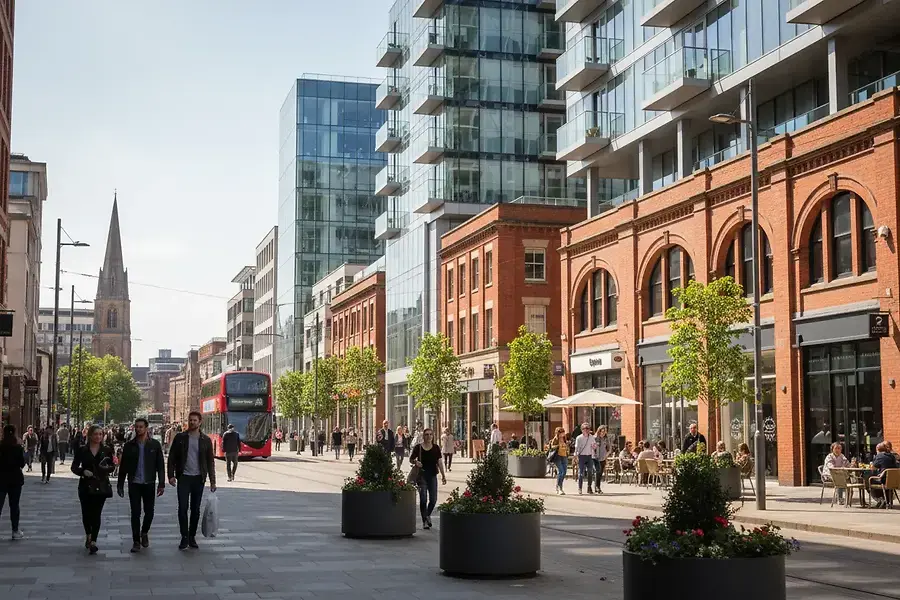
Mixed-use properties represent one of the most dynamic segments of Birmingham's real estate market. These developments combine residential units with commercial spaces—such as retail shops, offices, restaurants, and entertainment venues—under a single property or development. This hybrid approach creates vibrant communities while offering investors multiple revenue streams.
The appeal of mixed-use properties lies in their versatility and resilience. Unlike traditional single-use investments, mixed-use developments generate income from both residential tenants and commercial businesses. This diversification reduces risk and provides more stable cash flow, making them an attractive option for savvy investors looking to maximize their portfolio performance.
Birmingham's urban renewal initiatives have created the perfect environment for mixed-use development. The city's growing population, improved infrastructure, and increasing demand for walkable neighborhoods have made these properties more valuable than ever. Investors who understand this market shift are positioning themselves to capitalize on significant growth opportunities.
Key Neighborhoods Leading the Residential-Commercial Trend
Downtown Birmingham
Downtown Birmingham remains the epicenter of mixed-use development. The revitalization of historic buildings into loft apartments with ground-floor retail and dining has transformed the urban core. Properties in this area command premium prices due to high foot traffic, cultural attractions, and proximity to employment centers.
Southside and Avondale
The Southside district has emerged as a trendy destination for mixed-use investments. With its eclectic mix of galleries, boutiques, and restaurants alongside modern residential units, this neighborhood attracts young professionals and creative entrepreneurs. Avondale, similarly, has seen explosive growth with its combination of historic charm and contemporary development.
Lakeview and Pepper Place
These neighborhoods showcase how mixed-use properties can thrive in established communities. Lakeview's waterfront appeal combined with retail and dining options creates a lifestyle destination. Pepper Place's warehouse conversions into lofts with street-level commercial spaces demonstrate the potential for adaptive reuse projects.
Emerging Areas
Neighborhoods like Ensley and Smithfield are beginning to attract mixed-use developers. Early investors in these areas may find exceptional opportunities with lower entry costs and significant appreciation potential as these communities continue to develop.
Financial Benefits and ROI Potential for Mixed-Use Investments
Multiple Revenue Streams
The primary financial advantage of mixed-use properties is their ability to generate income from multiple sources. Residential units provide stable, long-term rental income, while commercial spaces often command higher per-square-foot rates. This diversification means that if one sector experiences a downturn, the other can compensate.
Higher Occupancy Rates
Mixed-use properties typically maintain higher occupancy rates than single-use developments. The convenience of living, working, and shopping in one location appeals to tenants and customers alike. Higher occupancy translates directly to increased revenue and property value appreciation.
Tax Advantages and Depreciation Benefits
Mixed-use property investors can take advantage of depreciation deductions on both residential and commercial components. The cost segregation analysis allows investors to accelerate depreciation schedules, reducing taxable income significantly. Additionally, investors may qualify for opportunity zone benefits and other tax incentives available in Birmingham's development areas.
Strong Appreciation Potential
As Birmingham continues to grow and attract new residents and businesses, mixed-use properties in prime locations have demonstrated strong appreciation. Properties that were purchased five years ago have often doubled in value, particularly in neighborhoods experiencing active revitalization.
Attracting Quality Tenants
Mixed-use developments attract a diverse tenant base—from established corporations seeking office space to independent retailers and restaurants. This variety reduces vacancy risk and creates a more stable investment. Commercial tenants often sign longer leases, providing predictable income streams.
Getting Started: Steps to Finding Your Next Mixed-Use Property
Conduct Market Research
Begin by studying Birmingham's neighborhoods and understanding which areas are experiencing growth. Look at demographic trends, employment centers, transportation infrastructure, and planned developments. Properties near transit hubs and employment centers typically perform better.
Partner with Specialized Real Estate Professionals
Work with agents and brokers who specialize in mixed-use properties. They understand the unique valuation methods, financing options, and market dynamics specific to these investments. Their expertise can help you identify undervalued opportunities and avoid costly mistakes.
Understand Financing Options
Mixed-use properties often require specialized financing. Traditional lenders may be hesitant, but many banks now offer programs specifically for mixed-use developments. Consider:
- Commercial real estate loans with residential components
- SBA loans for small business owners
- Construction financing for development projects
- Bridge loans for acquisition and renovation
Evaluate the Numbers Carefully
Analyze each property's financial potential by calculating:
- Cap Rate: The property's return on investment
- Cash-on-Cash Return: Annual cash flow divided by initial investment
- Debt Service Coverage Ratio: Ability to cover loan payments from rental income
- Projected Appreciation: Expected value increase over time
Consider Property Management Requirements
Mixed-use properties are more complex to manage than single-use investments. You'll need to coordinate between residential and commercial tenants, manage different lease types, and maintain common areas. Budget for professional property management services, which typically cost 8-12% of gross revenue.
Plan for Adaptive Reuse Opportunities
Some of the best mixed-use investments involve converting underutilized properties. Historic buildings, warehouses, and office buildings can be transformed into vibrant mixed-use spaces. If you have the vision and capital for renovation, these projects can yield exceptional returns.
Network Within the Development Community
Attend real estate investment meetings, development conferences, and networking events in Birmingham. Many of the best opportunities come through relationships with developers, contractors, and other investors. Building these connections early can give you access to off-market deals.
Conclusion
Birmingham's mixed-use development market presents compelling opportunities for investors seeking diversified income streams and strong appreciation potential. By understanding the market dynamics, focusing on neighborhoods with strong fundamentals, and partnering with experienced professionals, you can position yourself to benefit from the city's continued growth and transformation. The key is to start early, do thorough research, and think strategically about how mixed-use properties fit into your overall investment portfolio.


