Bloomington's Mixed-Use Real Estate: Investment Opportunities for 2025
Discover how residential and commercial properties are creating unique investment opportunities in Bloomington, Indiana.

Understanding Bloomington's Diverse Property Landscape
Bloomington, Indiana has emerged as a dynamic real estate market with a unique blend of residential, commercial, and mixed-use properties. The city's strategic location, coupled with its growing population and thriving business community, makes it an attractive destination for investors seeking diversified portfolio opportunities.
The property landscape in Bloomington is characterized by several key features:
- Urban revitalization projects transforming downtown corridors into vibrant mixed-use districts
- Strong educational institutions driving consistent demand for both residential and commercial spaces
- Diverse economic base supporting various business sectors and employment opportunities
- Affordable entry points compared to larger metropolitan markets, making investments more accessible
Understanding these foundational elements is crucial for investors looking to capitalize on Bloomington's real estate potential. The city's balanced growth trajectory suggests sustainable long-term appreciation and rental income opportunities.
The Rise of Residential/Commercial Hybrid Properties
What Are Mixed-Use Properties?
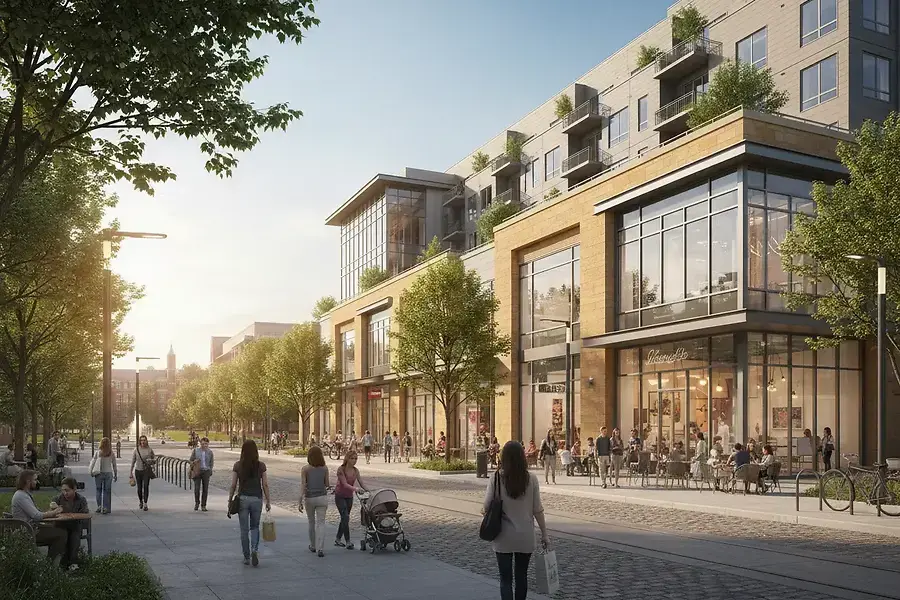
Mixed-use properties combine residential units with commercial spaces in a single development or building. These properties might feature ground-floor retail or office space with apartments or condominiums above, creating vibrant, walkable communities that appeal to modern residents and businesses alike.
Why Bloomington is Embracing This Trend
Bloomington's embrace of mixed-use development reflects broader market trends and local economic needs. The demand for walkable neighborhoods has increased significantly, with younger professionals and families seeking convenient access to shopping, dining, and entertainment without relying solely on automobiles.
Key drivers of mixed-use growth in Bloomington include:
- Population growth attracting diverse demographic groups with varying lifestyle preferences
- Local government initiatives supporting downtown revitalization and sustainable development
- Increased foot traffic benefits for retail and service-based businesses
- Higher rental yields compared to single-use properties
- Enhanced property values through community-oriented development
Success Stories in Bloomington
Several mixed-use developments have already transformed neighborhoods in Bloomington, creating thriving communities where residents live, work, and play within the same vicinity. These projects have demonstrated strong occupancy rates and appreciation potential, serving as models for future investment opportunities.
Investment Strategies for Mixed-Use Properties in Bloomington
Diversifying Your Income Streams
One of the primary advantages of mixed-use properties is the ability to generate revenue from multiple sources. Residential units provide stable, long-term rental income, while commercial spaces offer potentially higher yields with shorter lease terms. This diversification reduces risk and creates more resilient investment portfolios.
Pro Tip: Consider the tenant mix carefully. Complementary businesses and residential tenants create synergies that enhance property value and community appeal.
Location Selection and Market Analysis
Success in mixed-use real estate begins with thorough market analysis and strategic location selection. Investors should evaluate:
- Proximity to employment centers and educational institutions
- Public transportation accessibility and walkability scores
- Demographic trends and population growth projections
- Existing and planned commercial developments in the area
- Local zoning regulations and development incentives
Bloomington's downtown corridor and emerging neighborhoods near Indiana University present particularly compelling opportunities for investors willing to conduct thorough due diligence.
Financing and Capital Strategies
Mixed-use properties often require more complex financing arrangements than single-use properties. Investors should explore multiple funding options, including traditional commercial mortgages, SBA loans, and partnership structures. Working with lenders experienced in mixed-use developments can provide valuable insights and more favorable terms.
Consider the following financing approaches:
- Commercial real estate loans with favorable terms for mixed-use properties
- Partnership investments to share risk and capital requirements
- Renovation financing for properties requiring updates or repositioning
- Bridge financing for acquisition and development phases
Property Management Considerations
Managing mixed-use properties requires expertise in both residential and commercial property management. Investors should either develop this expertise internally or partner with experienced property management firms familiar with mixed-use operations. Effective management directly impacts tenant satisfaction, retention rates, and overall property performance.
Getting Started: Your Next Step in Mixed-Use Real Estate
Building Your Investment Team
Success in mixed-use real estate investing requires assembling a knowledgeable team. Essential team members include:
- Real estate agents specializing in commercial and mixed-use properties
- Commercial real estate attorneys familiar with local regulations
- Accountants experienced in real estate investment tax strategies
- Property managers with mixed-use experience
- Lenders and financial advisors
Conducting Due Diligence
Before committing capital to any mixed-use property, conduct comprehensive due diligence. This includes property inspections, financial analysis, market research, and legal review. Understanding the property's current condition, existing lease agreements, and market potential is essential for making informed investment decisions.
Starting Small and Scaling Up
New investors in mixed-use real estate might consider starting with smaller properties or partnerships to gain experience and build confidence. As you develop expertise and establish successful track records, you can scale up to larger, more complex projects.
Staying Informed and Adaptable
The real estate market evolves continuously. Successful investors stay informed about market trends, regulatory changes, and emerging opportunities. Attend industry conferences, join local real estate investment groups, and maintain relationships with market professionals to stay ahead of the curve.
Bloomington's mixed-use real estate market presents compelling opportunities for investors willing to conduct thorough research and develop strategic approaches. By understanding the market landscape, implementing sound investment strategies, and building a capable team, you can position yourself to capitalize on this growing sector and build long-term wealth through real estate investment.


