Boston Home Inspection Guide: Essential Checks Before Closing on Your Purchase
Master the critical inspections and contingencies that protect your Boston investment and prevent costly surprises.

Why Pre-Closing Inspections Matter in Boston's Competitive Market
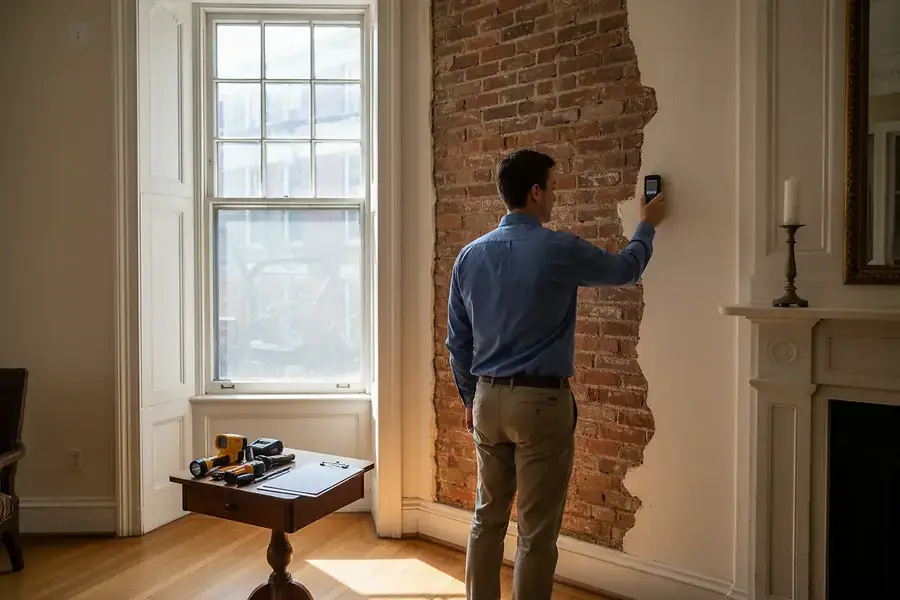
Buying a home in Boston is one of the most significant financial decisions you'll make. In today's competitive real estate market, many buyers feel pressured to waive inspections or skip thorough evaluations to make their offers more attractive. However, this approach can lead to devastating financial consequences. A comprehensive home inspection is your best defense against inheriting costly repairs and hidden structural problems.
Boston's unique housing stock—featuring everything from historic brownstones to modern condominiums—requires specialized inspection knowledge. Properties built decades ago often have systems and materials that differ significantly from contemporary standards. Understanding what to look for can save you thousands of dollars and prevent serious safety issues down the road.
Critical Home Systems to Evaluate Before You Buy
Electrical Systems and Safety
Boston homes vary widely in age, and older electrical systems may not meet current safety standards. Your inspector should evaluate:
- Panel capacity and condition
- Presence of outdated knob-and-tube wiring
- Proper grounding and bonding
- GFCI outlets in wet areas
- Overall code compliance
Outdated electrical systems can pose fire hazards and may require expensive upgrades. Don't overlook this critical component.
Plumbing and Water Quality
Water damage is one of the most common and costly issues in Boston properties. Your inspection should include:
- Pipe material and condition (lead pipes are a concern in older homes)
- Water pressure and flow rates
- Septic system functionality (if applicable)
- Evidence of leaks or water damage
- Water heater age and condition
Lead pipes and fixtures are particularly important to identify, as they can affect water quality and may require professional remediation.
Heating and Cooling Systems
Boston winters are harsh, making reliable heating essential. Evaluate:
- Furnace or boiler age and efficiency
- Ductwork condition and sealing
- Thermostat functionality
- Air conditioning system performance
- Maintenance records and service history
Structural Integrity and Foundation
Foundation problems can be extremely expensive to repair. Your inspector should assess:
- Foundation cracks and settlement patterns
- Basement moisture and drainage issues
- Structural beam condition
- Signs of pest damage or rot
- Chimney stability and condition
Understanding Boston-Specific Property Concerns and Building Codes
Historic Property Considerations
Many Boston neighborhoods feature historic homes with unique challenges. Historic properties may have restrictions on renovations and modifications that affect future improvements. Your inspector should note original materials and construction methods that may require specialized repair techniques.
Asbestos and Lead Paint
Homes built before the 1980s often contain asbestos in insulation, floor tiles, and roofing materials. Lead paint is common in properties constructed before 1978. While these materials aren't always dangerous if undisturbed, they require careful handling during renovations. Professional testing can identify these hazards before you purchase.
Moisture and Mold Issues
Boston's humid climate and older building construction create ideal conditions for moisture problems. Look for:
- Visible mold or mildew
- Water stains on ceilings and walls
- Musty odors in basements or crawl spaces
- Inadequate ventilation in bathrooms and kitchens
- Poor grading or drainage around the foundation
Roof Condition and Age
Boston's weather—including heavy snow, ice, and rain—demands a well-maintained roof. Your inspector should determine the roof's age, material, and remaining lifespan. Roof replacement is one of the most expensive home repairs, so understanding its condition is crucial for budgeting.
Final Steps: Contingency Management and Closing Readiness
Using Inspection Results Strategically
Once you receive your inspection report, you have several options:
- Request repairs: Ask the seller to fix identified issues before closing
- Negotiate credits: Receive a credit toward closing costs to handle repairs yourself
- Renegotiate price: Adjust the purchase price based on repair estimates
- Walk away: Use inspection findings as grounds to exit the purchase agreement
Work with your real estate agent and attorney to determine the best approach for your situation.
Secondary Inspections
Depending on initial findings, you may need specialized inspections:
- Pest and termite inspections
- Radon testing
- Septic system evaluation
- Chimney inspection and cleaning
- Pool or hot tub assessment
These additional inspections provide peace of mind and detailed information about specific systems or concerns.
Final Walk-Through
Before closing, conduct a final walk-through to verify that agreed-upon repairs were completed satisfactorily and that the property's condition matches the inspection report. This is your last opportunity to identify new issues or incomplete work.
Protecting Your Boston Real Estate Investment
A thorough home inspection is not an expense—it's an investment in your peace of mind and financial security. In Boston's dynamic real estate market, taking time to understand a property's true condition separates savvy buyers from those who face unexpected costs and regrets.
Don't let competitive pressure push you into skipping inspections. Your future self will thank you for the diligence you invest today.
By following this guide and working with qualified professionals, you'll make an informed decision about your Boston home purchase and protect your investment for years to come.


