Boston Home Selling Mistakes That Cost Thousands in Lost Profit
Learn the critical errors Boston sellers make and how to avoid them for maximum profit.

Common Pricing Mistakes Boston Sellers Make
One of the most significant errors Boston homeowners make is overpricing their properties. Many sellers become emotionally attached to their homes and set prices based on what they wish their property is worth rather than what the market actually supports. This mistake can cost you thousands in lost profit and extended time on the market.
The Boston real estate market is competitive and data-driven. Buyers and their agents have access to comparable sales, market trends, and pricing analytics. If your home is priced above market value, it will sit longer, attract fewer showings, and ultimately sell for less than if you had priced it correctly from the start.
Understanding Your Local Market
Before listing your Boston home, conduct a thorough comparative market analysis (CMA). Look at recently sold properties in your neighborhood with similar square footage, condition, and features. Consider:
- Recent sales prices in your specific Boston neighborhood
- Days on market for comparable properties
- Price per square foot trends
- Current inventory levels
- Seasonal market fluctuations
Working with a knowledgeable Boston real estate agent who understands local market dynamics is invaluable. They can provide accurate pricing guidance based on current data, not assumptions.
The Cost of Overpricing
When homes are overpriced, they often experience what's called "price stagnation." After 30 days on the market without offers, buyer interest drops significantly. You'll eventually need to reduce the price anyway, but by then, the property has been labeled as "stale" in the market.
A strategic pricing approach—even if slightly below initial expectations—generates more showings, creates buyer competition, and often results in a higher final sale price through multiple offers.
How to Stage Your Boston Home for Quick Sale
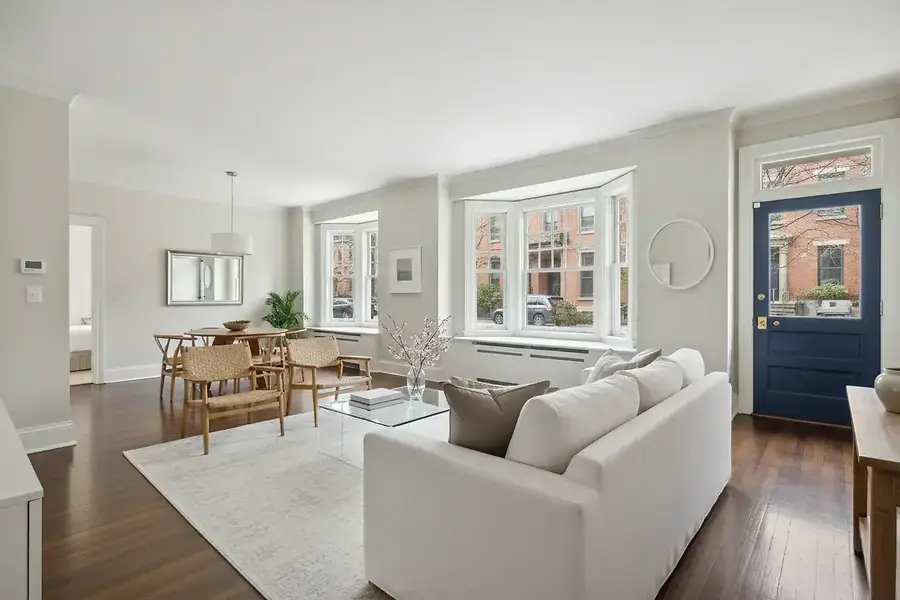
Staging is not about expensive renovations; it's about presenting your home in its best light. Boston buyers want to envision themselves living in your space, and proper staging makes that possible.
Declutter and Depersonalize
Remove personal items, family photos, and excessive furniture. A cluttered home appears smaller and makes it difficult for buyers to imagine their own belongings in the space. This is one of the most cost-effective staging strategies:
- Remove 30-50% of furniture to make rooms appear larger
- Pack away personal collections and memorabilia
- Clear countertops of appliances and personal items
- Organize closets and storage spaces
Enhance Curb Appeal
Your home's exterior is the first impression buyers receive. In Boston's climate, this is especially important:
- Ensure landscaping is neat and well-maintained
- Paint the front door a welcoming color
- Clean windows, gutters, and siding
- Add fresh mulch to garden beds
- Ensure the entryway is inviting and well-lit
Create Neutral, Inviting Spaces
Paint walls in neutral colors like soft grays, beiges, or whites. Neutral spaces allow buyers to imagine their own style and décor. Avoid bold colors or trendy designs that may not appeal to a broad audience.
Lighting matters tremendously. Open all curtains and blinds during showings. Add lamps to darker corners. Good lighting makes spaces feel larger, warmer, and more welcoming.
Marketing Strategies That Actually Work in Boston's Market
Effective marketing goes far beyond a yard sign. In today's digital-first market, your online presence is crucial.
Professional Photography and Virtual Tours
Most Boston buyers begin their search online. Professional photography is not an expense—it's an investment that pays dividends. High-quality photos lead to more clicks, more showings, and faster sales.
Consider these modern marketing tools:
- Professional photography with proper lighting and composition
- Virtual 3D tours that allow buyers to explore your home remotely
- Drone photography showcasing the property and neighborhood
- Video walkthroughs highlighting key features
Leverage Digital Platforms
Your listing should appear on all major platforms: MLS, Zillow, Redfin, Trulia, and real estate agent websites. Each platform reaches different buyer segments. A comprehensive digital strategy ensures maximum exposure.
Target the Right Audience
Different Boston neighborhoods attract different buyer demographics. A young professional in Back Bay has different needs than a family in Newton. Tailor your marketing message to highlight features that appeal to your target buyer:
- Proximity to public transportation for urban professionals
- School districts for families
- Walkability and dining options for younger buyers
- Quiet streets and space for retirees
Build Buzz with Open Houses and Events
Strategic open houses generate foot traffic and create urgency. Consider hosting weekend open houses, virtual open house events, or broker previews to maximize exposure and attract serious buyers.
Conclusion: Positioning Your Home for Success
Selling your Boston home successfully requires avoiding common pitfalls and implementing proven strategies. Price strategically based on market data, not emotion. Stage thoughtfully to help buyers envision their future in your space. Market aggressively using modern digital tools and platforms.
The difference between a mediocre sale and a profitable one often comes down to these fundamental decisions. By avoiding the mistakes outlined in this guide and following best practices, you position your Boston home for maximum profit and a faster sale.
Consider working with an experienced Boston real estate professional who understands the local market, has a proven track record, and can guide you through each step of the selling process. The investment in expert guidance typically pays for itself many times over through better pricing, faster sales, and higher final proceeds.
Your Boston home is likely one of your most valuable assets. Treat the selling process with the care and strategy it deserves.