Bowling Green Home Selling Strategies That Maximize Your Profit
Learn proven tactics to price competitively and attract serious buyers in today's Bowling Green real estate market.

Understanding Current Market Conditions in Bowling Green
The Bowling Green real estate market is dynamic and competitive, requiring sellers to stay informed about current trends and conditions. Before listing your property, it's crucial to understand the local market landscape, including inventory levels, average days on market, and buyer demographics.
Analyzing Local Market Data
Start by researching recent sales data in your neighborhood. Look at comparable properties that have sold in the past few months to understand what buyers are willing to pay. Pay attention to price per square foot, property features, and condition. This data will serve as your foundation for making informed decisions about your own home's value.
Identifying Your Target Buyer
Understanding who is buying in Bowling Green helps you market your property more effectively. Are buyers primarily first-time homeowners, families, or investors? Are they relocating for work or seeking a lifestyle change? Knowing your audience allows you to highlight the features that matter most to them.
Strategic Pricing and Home Presentation Techniques
Pricing your home correctly is one of the most important decisions you'll make as a seller. Price too high, and your home sits on the market; price too low, and you leave money on the table.
Setting the Right Price
Work with a qualified real estate agent who understands the Bowling Green market. They can provide a Comparative Market Analysis (CMA) that shows how similar homes are priced. Consider these factors when setting your price:
- Recent comparable sales in your area
- Your home's condition and age
- Unique features and upgrades
- Current market demand and inventory levels
- Days on market for similar properties
Preparing Your Home for Sale
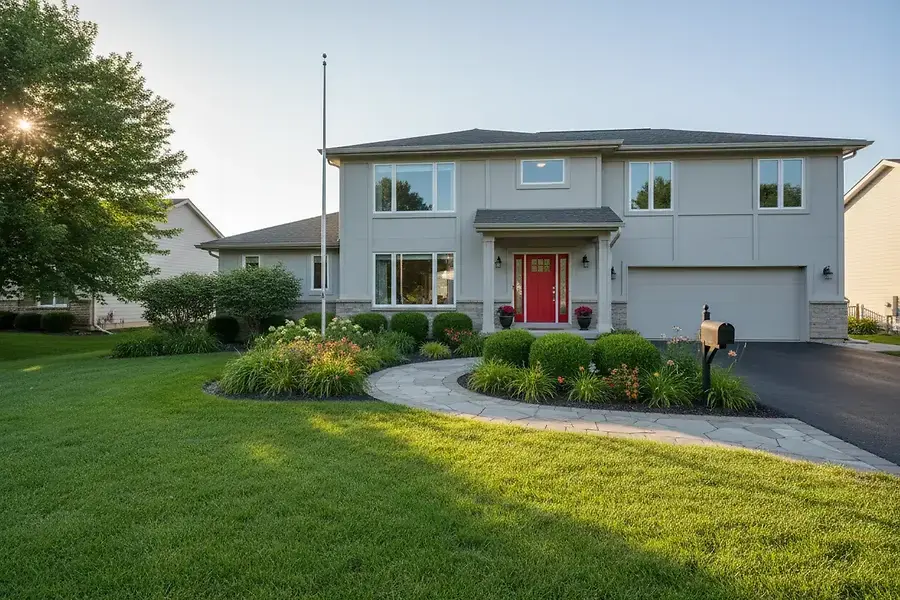
First impressions matter tremendously. Curb appeal is your home's first handshake with potential buyers. Invest in landscaping, fresh paint, and a clean exterior. Inside, declutter rooms, depersonalize spaces, and ensure everything is spotlessly clean.
Consider strategic home improvements that offer strong returns on investment. Focus on kitchen and bathroom updates, fresh paint, and repairs that address obvious maintenance issues. Avoid over-personalizing or making expensive renovations that may not appeal to all buyers.
Home Staging Essentials
Staging helps buyers envision themselves living in your home. Arrange furniture to highlight room flow and functionality. Use neutral colors and minimal décor. Ensure adequate lighting in every room, and create inviting spaces that feel warm and welcoming.
Pro Tip: Professional staging can increase your home's perceived value and help it sell faster. Many sellers find the investment worthwhile.
Marketing Your Property Effectively to Local Buyers
In today's digital age, effective marketing is essential for reaching qualified buyers quickly. A comprehensive marketing strategy combines online and offline tactics to maximize exposure.
Digital Marketing Strategies
Your home needs a strong online presence. High-quality photos and videos are non-negotiable. Invest in professional photography that showcases your home in the best light. Consider virtual tours and drone photography to give buyers a complete view of your property and lot.
List your property on major real estate platforms including:
- Multiple Listing Service (MLS)
- Zillow and Trulia
- Realtor.com
- Facebook and Instagram
- Your agent's website
Traditional Marketing Methods
Don't overlook traditional marketing. Yard signs, open houses, and direct mail still attract local buyers. Host open houses strategically to generate interest and gather feedback from potential buyers. These events create urgency and allow buyers to experience your home in person.
Building Buyer Interest
Create compelling property descriptions that highlight your home's best features and the lifestyle it offers. Emphasize proximity to schools, parks, shopping, and employment centers. Share information about the neighborhood's character and community amenities.
Consider offering incentives such as seller concessions for closing costs or including certain appliances or furniture. These tactics can make your property more attractive without reducing your asking price.
Closing the Deal: Negotiation and Final Steps
Once you receive an offer, the real negotiation begins. How you handle this phase significantly impacts your final profit.
Evaluating Offers
Don't focus solely on the purchase price. Consider the total package: earnest money deposit, financing contingencies, inspection contingencies, and closing timeline. A lower offer with fewer contingencies might be better than a higher offer with multiple conditions.
Negotiation Tactics
Respond to counteroffers strategically. Your real estate agent should guide you through this process, helping you understand market conditions and buyer motivation. Be willing to negotiate on reasonable requests, but stand firm on your bottom line.
Common negotiation points include:
- Purchase price
- Closing date
- Repairs and credits
- Included items and fixtures
- Contingency timelines
Final Steps to Closing
Once you've accepted an offer, stay organized and responsive. Provide requested documents promptly, schedule inspections and appraisals efficiently, and address any issues that arise. Clear communication prevents delays and keeps the transaction on track.
Before closing, do a final walkthrough to ensure the buyer hasn't requested unreasonable repairs and that agreed-upon items are included. Review all closing documents carefully with your real estate agent or attorney.
Maximizing Your Net Proceeds
Remember that your net profit is what matters. Factor in realtor commissions, closing costs, transfer taxes, and any repairs or improvements you've made. Understanding these expenses helps you set realistic profit expectations and make informed decisions throughout the selling process.
By following these proven strategies—understanding your market, pricing strategically, presenting your home beautifully, marketing effectively, and negotiating skillfully—you'll be well-positioned to maximize your profit when selling your Bowling Green home.


