Brecksville Home Inspection Essentials: What Buyers Must Know
Protect your investment by understanding the critical home inspection process and what red flags to watch for in Brecksville properties.

Why Home Inspections Matter: Safeguarding Your Investment
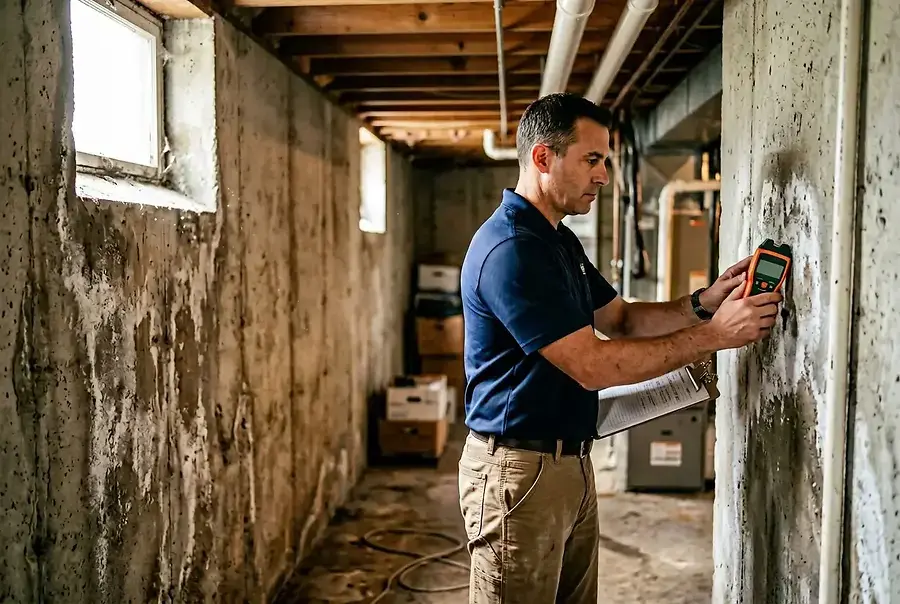
Purchasing a home is one of the most significant financial decisions you'll make in your lifetime. In Brecksville, where properties range from charming historic homes to modern suburban residences, a professional home inspection is not just a formality—it's your first line of defense against costly surprises. A thorough inspection can reveal hidden issues that might not be apparent during a casual walkthrough, potentially saving you thousands of dollars in unexpected repairs.
Home inspections provide you with an objective, detailed assessment of a property's condition. They give you the knowledge and leverage you need to negotiate effectively, make informed decisions, and plan for future maintenance. Without this critical step, you could be inheriting problems that weren't disclosed or weren't immediately visible.
What Professional Inspectors Look For in Brecksville Homes
Structural Components and Foundation
Professional inspectors begin by examining the foundation and structural integrity of the home. In Brecksville, where homes experience significant seasonal changes, foundation issues are particularly important to assess. Inspectors look for:
- Cracks in the foundation or basement walls
- Signs of water intrusion or moisture damage
- Settling or shifting of the structure
- Proper grading around the foundation
Roofing and Exterior Systems
The roof is your home's primary defense against the elements. Inspectors evaluate the condition of roofing materials, flashing, gutters, and downspouts. They also assess siding, windows, doors, and exterior caulking to ensure proper weatherproofing. A compromised roof or exterior can lead to water damage and mold growth, making this assessment crucial for Northeast Ohio properties.
Plumbing and Water Systems
Inspectors test all plumbing fixtures, check water pressure, and examine pipes for leaks or corrosion. They also evaluate the water heater's age and condition, as well as the septic or municipal sewer system. Older Brecksville homes may have outdated plumbing that requires attention or replacement.
Electrical Systems
A comprehensive electrical inspection includes checking the panel, wiring, outlets, and switches. Inspectors verify that the electrical system meets current safety codes and can handle modern power demands. This is especially important in older homes that may have outdated systems.
HVAC and Climate Control
The heating, ventilation, and air conditioning systems are tested for proper operation. Inspectors assess the age of equipment, efficiency, and whether maintenance has been performed regularly. Given Northeast Ohio's cold winters and warm summers, a functioning HVAC system is essential.
Interior Conditions
Inspectors examine walls, ceilings, floors, and insulation. They look for signs of water damage, mold, pest infestation, and structural issues. They also check that doors and windows operate smoothly and that ventilation is adequate throughout the home.
Common Issues Found in Northeast Ohio Properties and How to Address Them
Water Intrusion and Basement Moisture
One of the most prevalent issues in Northeast Ohio homes is water intrusion, particularly in basements. The region's heavy rainfall and freeze-thaw cycles create ideal conditions for moisture problems. Solutions include improving grading, installing or repairing gutters, sealing cracks, and installing sump pumps or interior drainage systems.
Aging Roofs
Many Brecksville homes have roofs that are approaching or exceeding their expected lifespan. Asphalt shingles typically last 15-20 years, and older roofs may show signs of curling, missing shingles, or deteriorated flashing. Budget for roof replacement if the inspection reveals significant wear.
Outdated Electrical Systems
Older homes may have aluminum wiring or insufficient electrical capacity. These issues can pose safety risks and may require upgrading the electrical panel or rewiring portions of the home. This is a safety concern that should be addressed promptly.
HVAC System Age
Furnaces and air conditioning units typically last 15-20 years. If your inspection reveals aging equipment, plan for replacement costs in your budget. Modern systems are more energy-efficient and can reduce utility bills significantly.
Plumbing Concerns
Galvanized pipes, which were common in older homes, can corrode over time and reduce water pressure. Polybutylene pipes, used in some homes from the 1970s-1990s, are prone to failure. If identified, these should be replaced with modern copper or PEX piping.
Using Inspection Reports to Negotiate and Make Informed Decisions
Understanding Your Inspection Report
A professional inspection report is comprehensive and detailed. It categorizes findings by severity—from minor cosmetic issues to major structural concerns. Take time to understand each finding and ask your inspector to explain anything unclear. Don't ignore items marked as "safety concerns" or "major repairs needed."
Negotiation Strategies
Armed with your inspection report, you have several options:
- Request repairs: Ask the seller to fix major issues before closing
- Request credits: Negotiate a price reduction to cover repair costs yourself
- Request inspections: For significant issues, ask for specialized inspections by licensed contractors
- Walk away: If issues are too extensive or costly, you have the right to terminate the purchase
Planning for Future Maintenance
Even if you negotiate repairs, use the inspection report to create a maintenance plan. Prioritize items that affect safety and structural integrity. Regular maintenance prevents small issues from becoming expensive problems. Budget for recommended repairs and replacements over the next few years.
Getting Specialist Inspections
For significant concerns identified in the general inspection, consider hiring specialists. A structural engineer can assess foundation issues, a roofer can evaluate roofing concerns, and a plumber can inspect plumbing systems in detail. These specialized inspections provide peace of mind and accurate repair estimates.
Remember: A home inspection is an investment in your peace of mind and financial security. The cost of a thorough inspection is minimal compared to the potential savings and protection it provides.
Making Your Final Decision
Use your inspection report as a tool for informed decision-making. Consider the overall condition of the property, the cost of necessary repairs, and your comfort level with addressing issues. A home with some minor issues may still be an excellent investment if the price reflects those concerns and the major systems are sound.
In Brecksville's competitive real estate market, a thorough home inspection gives you the confidence to move forward with your purchase or the information you need to renegotiate terms. Don't skip this critical step—your future self will thank you for the diligence you exercise today.


