Broomfield Home Inspection Guide: What Every Buyer Must Know
Learn the critical inspection points that protect your investment and reveal hidden issues before you close on your Broomfield property.

Understanding the Home Inspection Process in Broomfield
Purchasing a home is one of the most significant investments you'll make in your lifetime. In Broomfield, Colorado, a professional home inspection is a critical step in the buying process that can save you thousands of dollars and prevent costly surprises down the road. A thorough home inspection typically takes 2-4 hours and involves a certified inspector examining every major system and component of the property.
During the inspection, the inspector will document their findings in a detailed report that becomes your roadmap for understanding the property's condition. This report is your opportunity to identify issues before closing, negotiate repairs or credits with the seller, or make an informed decision about whether to proceed with the purchase. Understanding what inspectors look for and how to interpret their findings is essential for protecting your investment.
What to Expect During Your Inspection
Most home inspections in Broomfield follow a standardized process. You should plan to be present during the inspection to ask questions and learn about the property firsthand. The inspector will systematically evaluate the home's exterior, interior, foundation, and all major systems. They'll use specialized tools and equipment to assess conditions that aren't visible to the naked eye, such as moisture levels in walls or the efficiency of HVAC systems.
Key Systems and Structural Elements Inspectors Evaluate
Roofing and Exterior
Colorado's weather can be harsh on roofing materials. Inspectors examine shingles for wear, damage, and proper installation. They'll check for signs of leaks, assess the condition of gutters and downspouts, and evaluate the overall structural integrity of the roof. The exterior walls, siding, windows, and doors are also inspected for damage, proper sealing, and weather resistance.
Foundation and Structural Components
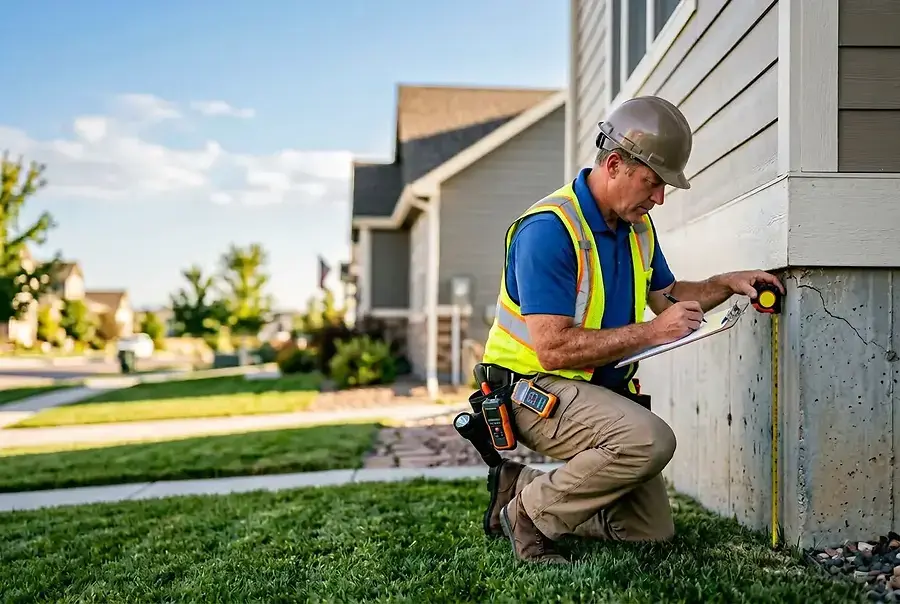
The foundation is the backbone of any home. Inspectors look for cracks, settling, water damage, and signs of structural movement. In Broomfield, where soil conditions can vary, foundation issues are particularly important to identify early. They'll also examine basement walls, crawl spaces, and the overall structural framing of the home.
HVAC Systems
Heating and cooling systems are essential in Colorado's climate. Inspectors test furnaces, air conditioning units, and heat pumps to ensure they're functioning properly. They'll check ductwork for leaks, assess thermostat operation, and evaluate the overall efficiency of the system. A well-maintained HVAC system can last 15-20 years, but a failing system can cost $5,000-$10,000 to replace.
Plumbing and Water Systems
Inspectors test all water fixtures, check for leaks, and assess water pressure. They examine visible pipes for corrosion or damage and evaluate the water heater's condition and age. In older Broomfield homes, galvanized pipes may need replacement, and this is an important finding that affects the property's value and functionality.
Electrical Systems
A thorough electrical inspection includes checking the main panel, circuit breakers, outlets, and switches. Inspectors look for outdated wiring, improper grounding, and code violations that could pose safety risks. Older homes may have aluminum wiring or insufficient electrical capacity, which are important issues to address.
Insulation and Ventilation
Proper insulation and ventilation are crucial for energy efficiency and preventing moisture problems. Inspectors assess attic insulation levels, check for proper ventilation, and look for signs of moisture or mold. Colorado's dry climate is generally favorable, but poor ventilation can still lead to problems.
Red Flags and Common Issues Found in Colorado Homes
Water Damage and Moisture Issues
Despite Colorado's arid climate, water damage is a common issue in Broomfield homes. Basement leaks, foundation cracks allowing water infiltration, and improper grading around the foundation can all lead to moisture problems. Look for staining, efflorescence (white mineral deposits), or musty odors during your inspection.
Roof Problems
Colorado's intense sun, hail storms, and temperature fluctuations take a toll on roofing materials. Missing shingles, curling, granule loss, and improper installation are common findings. A roof nearing the end of its lifespan is a significant expense to budget for.
HVAC System Age and Condition
Many Broomfield homes have aging HVAC systems that may not be operating at peak efficiency. Systems over 15 years old should be evaluated carefully, as replacement may be necessary soon after purchase.
Outdated Electrical Systems
Older homes may have electrical systems that don't meet current safety codes or provide adequate capacity for modern appliances and technology. This is a safety concern that should be addressed promptly.
Foundation and Structural Issues
Cracks in foundations, settling, or signs of structural movement are serious concerns that require professional evaluation. Some minor cracks are normal, but larger or actively growing cracks indicate problems that need attention.
Using Inspection Results to Negotiate and Protect Your Purchase
Reviewing Your Inspection Report
Once you receive your inspection report, take time to review it carefully. Ask your inspector to explain any findings you don't understand. Prioritize issues by severity: safety concerns should be addressed immediately, major system failures require prompt attention, and cosmetic issues are lower priority.
Negotiating with the Seller
Armed with your inspection report, you have leverage to negotiate. You can request that the seller:
- Make necessary repairs before closing
- Provide credits toward repairs you'll handle yourself
- Reduce the purchase price to account for needed work
- Provide warranties or guarantees for major systems
Be reasonable in your requests. Minor issues and normal wear-and-tear shouldn't be deal-breakers, but significant problems warrant serious negotiation.
Planning for Future Maintenance
Your inspection report is also a valuable tool for planning future maintenance. Systems identified as aging or in fair condition should be monitored closely. Budget for upcoming replacements or repairs so you're not caught off guard.
Protecting Your Investment
Don't skip the inspection to save money. The inspection fee (typically $300-$500) is a small price compared to the cost of discovering major problems after closing. A professional inspection protects your investment and gives you the information needed to make a confident purchasing decision in Broomfield's competitive real estate market.
Remember: A home inspection is not a pass-or-fail test. Every home has some issues. The goal is to identify them, understand their severity, and make an informed decision about your purchase.


