Broomfield Home Staging Tips: Sell Faster and for More Money
Discover the strategic staging techniques that help Broomfield homes stand out to buyers and command premium prices in today's competitive market.

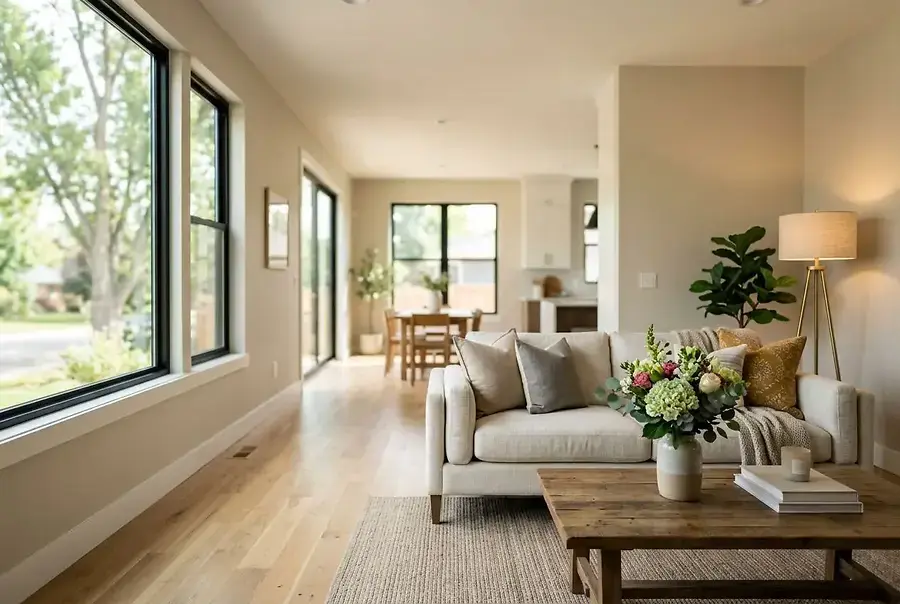
Why Home Staging Matters in the Broomfield Market
The Broomfield real estate market is more competitive than ever, with buyers having numerous options to choose from. Home staging is no longer a luxury—it's a necessity for sellers who want to stand out and achieve the best possible sale price. When done correctly, staging can help buyers envision themselves living in your home, creating an emotional connection that translates into higher offers.
Research shows that staged homes sell significantly faster and often command premium prices compared to unstaged properties. In Broomfield's dynamic market, where first impressions matter tremendously, staging can be the difference between a quick sale and months on the market. The goal is to showcase your home's best features while allowing buyers to imagine their own lives within those walls.
Essential Staging Strategies for Broomfield Properties
Declutter and Depersonalize
The first step in staging is removing excess items that distract from your home's architecture and layout. Clear out closets, cabinets, and countertops to create a sense of spaciousness. Remove personal photos, collections, and memorabilia that might prevent buyers from visualizing their own belongings in the space.
- Pack away 30-50% of your belongings
- Organize remaining items neatly
- Remove family photos and personal artwork
- Clear kitchen counters of appliances and clutter
Enhance Curb Appeal
Your home's exterior is the first thing buyers see. Invest in curb appeal to create an immediate positive impression. A well-maintained front yard, clean entrance, and attractive landscaping can significantly impact buyer perception before they even step inside.
- Refresh the front door with new paint or hardware
- Trim landscaping and add fresh mulch
- Power wash the driveway and walkways
- Add potted plants or flowers near the entrance
- Ensure house numbers are visible and attractive
Optimize Furniture Placement
Arrange furniture to highlight your home's best features and create natural traffic flow. Avoid blocking windows, doorways, or architectural elements. In smaller spaces, less furniture is often better—it makes rooms feel larger and more inviting. Consider removing oversized pieces that overwhelm a room.
Lighting and Ambiance
Proper lighting can transform a space dramatically. Open all curtains and blinds to maximize natural light during showings. Add soft, warm lighting with lamps in living areas, and ensure all light fixtures are clean and functional. Consider adding candles or fresh flowers to create a welcoming atmosphere.
Paint and Refresh
Neutral paint colors appeal to the widest range of buyers. If your walls are painted in bold or unusual colors, consider repainting with soft neutrals like beige, gray, or soft white. Fresh paint is one of the most cost-effective staging improvements and can dramatically refresh a home's appearance.
Create Functional Spaces
Help buyers understand how each room can be used. Stage bedrooms with quality bedding, stage home offices with a desk, and arrange living rooms with comfortable seating. This helps buyers envision the functionality and potential of each space.
Common Staging Mistakes to Avoid
Over-Staging
While staging is important, avoid making your home look like a showroom. Too much furniture, excessive decorations, or overly styled spaces can feel impersonal and intimidating. The goal is to enhance, not transform your home into something unrecognizable.
Ignoring Odors
Unpleasant smells can be a major turnoff for buyers. Eliminate pet odors, cooking smells, and musty scents before showings. Use subtle air fresheners, open windows, or bake cookies to create a pleasant aroma. Avoid overwhelming perfumes or artificial scents.
Neglecting Maintenance Issues
Staging cannot hide structural problems or maintenance issues. Fix leaky faucets, repair damaged walls, and address any visible wear and tear. Buyers will notice these issues and may use them as negotiation points. Address problems proactively to maintain buyer confidence.
Poor Lighting Choices
Dim or harsh lighting can make even beautiful homes look uninviting. Ensure all rooms are well-lit, with a mix of natural and artificial light. Replace burnt-out bulbs and consider upgrading to warmer-toned lighting for a more welcoming feel.
Cluttered Bathrooms and Kitchens
These rooms are critical selling points. Keep counters clear, organize cabinets, and ensure everything is spotlessly clean. Remove personal items like medications and excessive toiletries. A clean, organized kitchen and bathroom can significantly influence buyer decisions.
Getting Started: Your Staging Action Plan
Step 1: Assess Your Home Objectively
Walk through your home as a buyer would. Take photos and identify areas that need improvement. Consider hiring a professional stager for an expert evaluation and personalized recommendations.
Step 2: Create a Priority List
Focus on high-impact improvements first: curb appeal, decluttering, and deep cleaning. These typically offer the best return on investment and require minimal expense.
Step 3: Declutter Systematically
Start room by room, removing items that don't serve a purpose or detract from the space. Be ruthless—if you haven't used it in a year, it probably doesn't need to be visible during showings.
Step 4: Deep Clean Everything
A spotless home is essential. Clean windows, baseboards, light fixtures, and all surfaces. Professional cleaning services can be a worthwhile investment to ensure your home looks its absolute best.
Step 5: Make Strategic Improvements
Paint walls in neutral colors, update lighting, and arrange furniture to highlight your home's strengths. Focus on improvements that appeal to the broadest audience.
Step 6: Add Final Touches
Fresh flowers, quality bedding, and tasteful decorations add warmth without overwhelming the space. These finishing touches help buyers feel the home's potential.
Remember: Home staging is an investment in your home's marketability. The cost of staging is typically far less than the additional profit you'll gain from a faster sale and higher offer price.
By implementing these staging strategies, Broomfield sellers can significantly improve their home's appeal, attract more qualified buyers, and achieve better sale prices. Whether you choose to stage your home yourself or hire a professional, the effort invested in presentation will pay dividends when it comes time to sell.


