Brownsburg Home Inspection Essentials: What Every Buyer Must Know
Discover the critical inspection points that protect your investment and help you negotiate better offers in Brownsburg's competitive residential market.

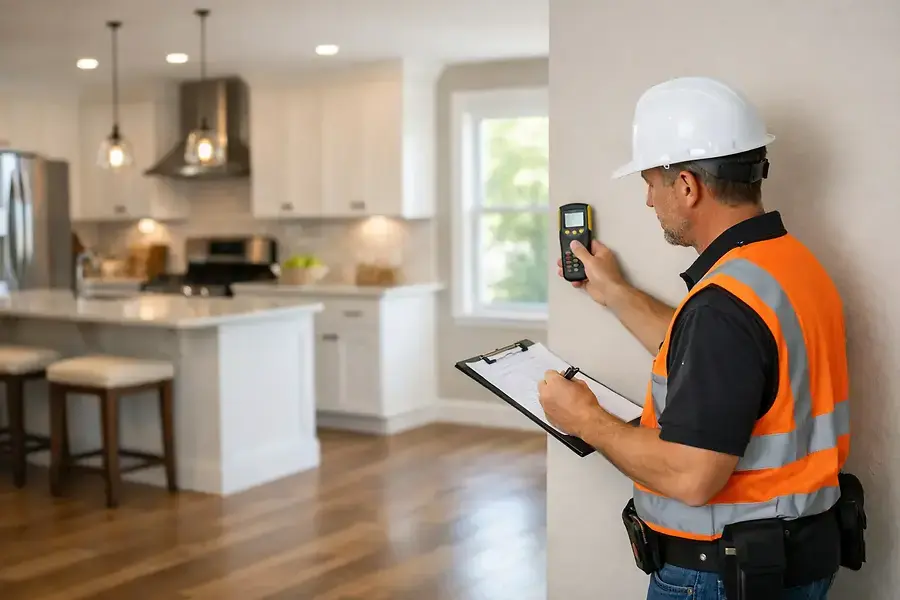
Understanding the Home Inspection Process in Brownsburg
Purchasing a home in Brownsburg is one of the most significant investments you'll make in your lifetime. A professional home inspection is your first line of defense against costly surprises and hidden problems. This comprehensive evaluation typically takes 2-4 hours and involves a licensed inspector examining the property's structural integrity, mechanical systems, and overall condition.
In Brownsburg's competitive residential market, having a thorough inspection report gives you valuable leverage during negotiations. The inspection process is designed to identify existing issues, estimate repair costs, and provide you with the information needed to make an informed decision. Whether you're a first-time buyer or an experienced investor, understanding what happens during an inspection is crucial to protecting your financial interests.
Most inspectors will provide a detailed written report within 24-48 hours of the inspection. This report becomes your roadmap for negotiations and future maintenance planning. Don't skip this step—it's an investment that typically costs $300-500 but can save you thousands in unexpected repairs.
Key Areas Inspectors Examine and Red Flags to Watch For
Structural Components
Inspectors begin by evaluating the home's foundation, walls, and roof structure. Look for these warning signs in your inspection report:
- Foundation cracks - Minor hairline cracks are normal, but large or widening cracks indicate serious problems
- Water damage or moisture - Staining on basement walls or crawl spaces suggests drainage issues
- Roof condition - Missing shingles, sagging areas, or excessive wear may require costly replacement
- Structural settling - Uneven floors or doors that don't close properly can indicate foundation movement
Electrical and Plumbing Systems
These systems are critical to daily living and safety. Your inspector will check:
- Electrical panel - Outdated panels or improper installations pose fire hazards
- Water pressure and flow - Low pressure may indicate pipe corrosion or blockages
- Drainage systems - Slow drains or backups suggest plumbing issues requiring professional attention
- Water heater age and condition - Units typically last 8-12 years; replacement costs can exceed $1,500
HVAC and Climate Control
Heating and cooling systems represent significant expenses. Pay attention to:
- System age and maintenance history - Older systems may need replacement soon
- Proper ventilation - Inadequate airflow affects comfort and indoor air quality
- Ductwork condition - Leaks reduce efficiency and increase energy costs
Interior and Exterior Conditions
Inspectors examine visible wear and potential hazards:
- Asbestos or lead paint - Common in older Brownsburg homes; remediation is expensive
- Mold or mildew - Indicates moisture problems and potential health concerns
- Exterior damage - Rotting wood, damaged siding, or gutter issues lead to water intrusion
- Windows and doors - Broken seals or damaged frames affect energy efficiency
Using Inspection Results to Negotiate and Make Informed Decisions
Interpreting Your Report
Once you receive your inspection report, don't feel overwhelmed by technical jargon. Most reports categorize issues by severity: critical (safety hazards requiring immediate attention), major (significant repairs needed), and minor (cosmetic or routine maintenance). Focus on critical and major items first.
Negotiation Strategies
Armed with your inspection findings, you have several negotiation options:
- Request repairs - Ask the seller to fix critical issues before closing
- Request credits - Negotiate a price reduction to cover repair costs yourself
- Request inspections - For major systems, ask for specialized inspections by licensed contractors
- Walk away - If issues are too extensive, you may decide the property isn't worth the investment
In Brownsburg's competitive market, timing is essential. Present your inspection findings promptly and be prepared to negotiate professionally. Sellers are more likely to cooperate if you approach negotiations reasonably and provide documentation of repair estimates.
Making Your Final Decision
Consider the total cost of ownership, not just the purchase price. A home with a lower price tag but significant repair needs may cost more in the long run than a well-maintained property. Factor in:
- Estimated repair costs from your inspection report
- Age and remaining lifespan of major systems
- Your budget for immediate versus future repairs
- The home's location and market value appreciation potential
"A thorough home inspection is not an expense—it's an investment in peace of mind and financial security."
Conclusion: Protecting Your Residential Investment
Home inspections are an indispensable part of the home-buying process in Brownsburg. By understanding what inspectors examine, recognizing red flags, and using inspection results strategically, you position yourself to make confident, informed decisions. Don't rush through this critical step or skip it to save money.
Remember, the goal of a home inspection isn't to find reasons to back out of a deal—it's to ensure you understand exactly what you're purchasing and can plan accordingly. Whether you're buying your first home or your fifth, a professional inspection protects your investment and gives you the knowledge needed to negotiate effectively in Brownsburg's dynamic residential market.
Take the time to review your inspection report thoroughly, ask your inspector questions, and consult with real estate professionals about your findings. Your future self will thank you for the diligence you invest today.


