Building a Multi-Family Investment Portfolio Across Mid-Cities Texas Markets
Discover why Arlington, Fort Worth, and surrounding communities are attracting savvy investors seeking strong rental yields and appreciation potential.

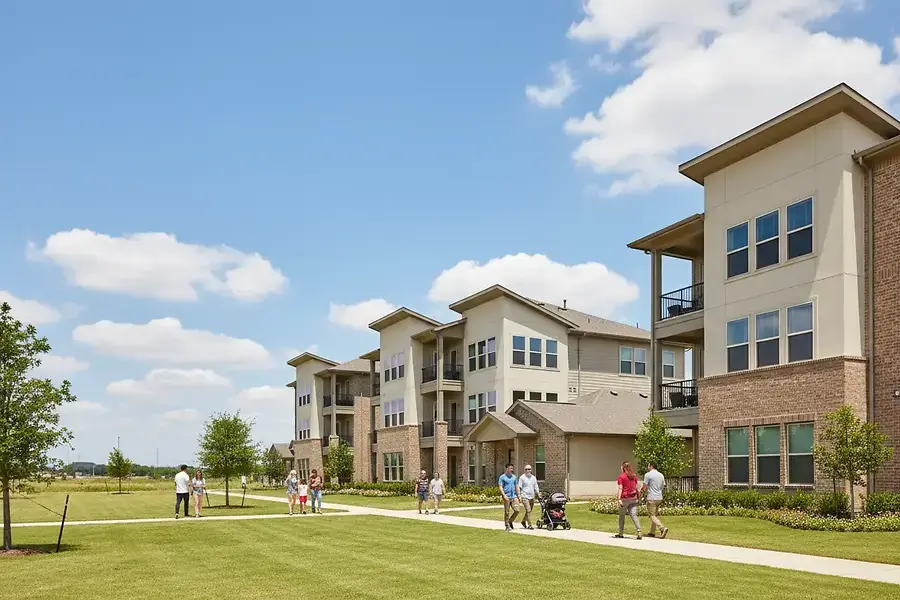
Why Mid-Cities Markets Are Attracting Commercial and Residential Investors
The Mid-Cities region of Texas—encompassing Arlington, Fort Worth, Mansfield, and surrounding communities—has emerged as one of the most dynamic real estate markets in the nation. Unlike larger metropolitan areas that have experienced significant price appreciation, these mid-sized cities offer a unique combination of affordability, growth potential, and strong rental demand that appeals to both novice and experienced investors.
Several factors contribute to this region's attractiveness. Population growth in the Mid-Cities continues to outpace national averages, driven by corporate relocations, job creation, and families seeking affordable living options. The region's strategic location between Dallas and Fort Worth provides access to major employment centers while maintaining lower property costs. Additionally, infrastructure development and ongoing urban revitalization projects are enhancing property values and community appeal.
The rental market in these communities remains exceptionally strong. With limited new construction and steady demand from both young professionals and families, rental yields consistently outperform national averages. This creates an ideal environment for investors seeking passive income through multi-family properties.
Comparing Investment Returns: Arlington, Fort Worth, Mansfield, and Beyond
Arlington: The Entertainment and Employment Hub
Arlington stands out as a premier investment destination, anchored by major employers and entertainment venues. The city's diverse economy spans healthcare, technology, retail, and hospitality sectors. Average rental yields in Arlington typically range from 5-7%, with strong appreciation potential driven by continued commercial development and population influx.
Key investment advantages include:
- Proximity to major employment centers and entertainment districts
- Strong tenant demand from diverse demographic groups
- Ongoing infrastructure improvements and urban development
- Relatively stable property values with consistent appreciation
Fort Worth: The Emerging Growth Market
Fort Worth has transformed into a vibrant urban center with a thriving downtown, cultural attractions, and a booming job market. The city's lower entry costs compared to Arlington make it attractive for portfolio diversification. Investors can expect rental yields of 6-8% in many neighborhoods, with significant upside potential as the city continues its renaissance.
Fort Worth's investment appeal stems from:
- Lower acquisition costs than comparable Arlington properties
- Rapid job growth across multiple industries
- Revitalized neighborhoods with strong community appeal
- Excellent long-term appreciation potential
Mansfield and Surrounding Communities
Smaller communities like Mansfield, Arlington Heights, and Kennedale offer emerging opportunities for value-conscious investors. These areas provide rental yields of 6-9% with lower property acquisition costs. While appreciation may be slower than in larger cities, the combination of high yields and affordable entry points makes these markets attractive for building larger portfolios.
Strategies for Building a Diversified Real Estate Portfolio Across Multiple Mid-Cities Locations
Strategy 1: Geographic Diversification
Rather than concentrating investments in a single market, successful investors spread properties across multiple Mid-Cities communities. This approach reduces risk while capturing growth opportunities in different neighborhoods. A balanced portfolio might include properties in Arlington for stability, Fort Worth for growth potential, and smaller communities for higher yields.
Strategy 2: Property Type Diversification
Consider mixing property types within your portfolio:
- Multi-family units (duplexes, triplexes, small apartment buildings) for consistent cash flow
- Single-family rentals in emerging neighborhoods for appreciation potential
- Commercial properties in high-traffic areas for premium yields
- Mixed-use developments for long-term value creation
Strategy 3: The Buy-and-Hold Approach
The Mid-Cities market rewards patient investors. Rather than flipping properties, focus on acquiring quality assets with strong rental fundamentals. Over a 10-year horizon, investors can expect property appreciation of 3-4% annually, combined with consistent rental income. This creates powerful wealth-building through both cash flow and equity accumulation.
Strategy 4: Leverage Professional Management
As your portfolio grows, professional property management becomes essential. Experienced managers understand local market dynamics, tenant screening, maintenance protocols, and regulatory requirements. This allows you to scale your portfolio efficiently while maintaining quality tenant relationships and property conditions.
Getting Started: Your Action Plan for Multi-Property Success in the DFW Region
Step 1: Conduct Market Research
Begin by thoroughly analyzing each Mid-Cities market. Study rental rates, vacancy rates, property appreciation trends, and demographic data. Understanding local market dynamics is crucial for identifying undervalued properties and emerging neighborhoods with strong growth potential.
Step 2: Establish Your Investment Criteria
Define clear investment parameters before making offers:
- Target rental yield (minimum 5-6%)
- Maximum property price and down payment requirements
- Preferred property types and locations
- Cash flow requirements and appreciation expectations
- Risk tolerance and portfolio size goals
Step 3: Build Your Investment Team
Assemble experienced professionals who understand the Mid-Cities market:
- A knowledgeable real estate agent specializing in investment properties
- A real estate attorney familiar with Texas property law
- A CPA experienced in real estate tax strategies
- A property manager for ongoing operations
- A lender who understands investment property financing
Step 4: Start with Your First Property
Your initial investment sets the foundation for future success. Choose a property that meets your investment criteria and offers strong fundamentals. Focus on cash flow over appreciation for your first purchase, ensuring positive monthly returns while you build experience and capital for additional acquisitions.
Step 5: Scale Strategically
As you gain experience and accumulate capital, expand your portfolio systematically. Use equity from existing properties to finance new acquisitions. Reinvest rental income to accelerate portfolio growth. After establishing 2-3 properties, consider larger multi-family complexes that offer economies of scale and professional management opportunities.
Step 6: Monitor and Optimize
Regularly review your portfolio performance. Track rental rates, expenses, vacancy rates, and property values. Be prepared to adjust your strategy based on market conditions and changing investment goals. The most successful investors continuously refine their approach based on real-world results and market feedback.
The Mid-Cities region represents a rare combination of affordability, growth potential, and strong rental fundamentals. By implementing a diversified strategy across multiple locations and property types, investors can build substantial wealth while managing risk effectively.
Building a multi-family investment portfolio in the Mid-Cities requires patience, research, and disciplined execution. However, the region's favorable market conditions, strong rental demand, and appreciation potential make it an excellent choice for investors seeking to build long-term wealth through real estate. Start today, build your team, and begin your journey toward multi-property success in the DFW region.


