Building Wealth Through Commercial Real Estate in Rochester's Suburbs
Discover proven strategies for identifying high-potential commercial properties across Rochester's most dynamic communities.

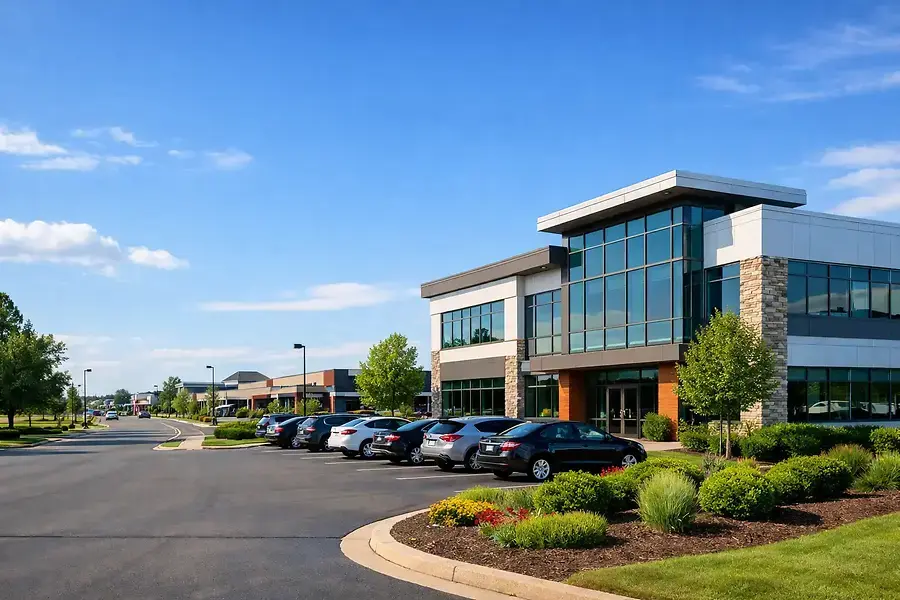
The Commercial Real Estate Opportunity in Greater Rochester
Rochester's suburban landscape presents an exceptional opportunity for commercial real estate investors seeking sustainable wealth-building strategies. The region's diverse communities offer a unique blend of established infrastructure, growing populations, and emerging business corridors that create ideal conditions for commercial property investment.
The commercial real estate market in Greater Rochester has experienced significant evolution over recent years. With major employers expanding operations and new businesses establishing headquarters in suburban areas, the demand for quality commercial space continues to rise. Smart investors recognize that this growth trajectory creates multiple entry points for profitable investments.
Why Rochester's suburbs matter: Unlike saturated urban markets, suburban commercial properties offer better cap rates, lower competition, and stronger tenant retention. The region's economic diversification—spanning healthcare, technology, manufacturing, and professional services—ensures consistent demand across multiple property types.
Evaluating Commercial Properties Across Nine Key Communities
Understanding Market Fundamentals
Successful commercial real estate investment begins with thorough market analysis. Before committing capital, investors must evaluate several critical factors that determine property performance and long-term value appreciation.
Key evaluation metrics include:
- Occupancy rates: Properties in communities with 85%+ occupancy rates demonstrate strong tenant demand and pricing power
- Rental growth trends: Analyze historical rent increases to project future income potential and inflation protection
- Tenant quality and diversity: Properties with established, creditworthy tenants and diversified tenant bases reduce vacancy risk
- Location accessibility: Proximity to major highways, public transportation, and population centers drives tenant attraction and property values
- Development pipeline: Understanding planned infrastructure improvements and new construction helps identify emerging opportunities
Community-Specific Opportunities
Rochester's suburban communities each offer distinct advantages for different investment strategies. Some communities attract retail and service-oriented businesses, while others develop as office and industrial hubs. Successful investors match their capital with communities aligned to their expertise and risk tolerance.
Properties in established commercial corridors typically command premium valuations but offer stability and predictable cash flows. Emerging communities present higher growth potential but require more active management and market timing expertise. The optimal strategy often combines both approaches—anchoring a portfolio with stable, income-producing properties while selectively pursuing higher-growth opportunities.
Due Diligence and Property Analysis
Thorough due diligence separates successful investors from those who experience losses. This process extends far beyond reviewing financial statements and lease agreements. Comprehensive property evaluation includes:
- Physical property inspections identifying deferred maintenance or structural concerns
- Environmental assessments ensuring compliance and eliminating hidden liabilities
- Tenant financial analysis verifying creditworthiness and lease sustainability
- Competitive market analysis benchmarking rental rates and property positioning
- Title review and legal documentation verification
Properties requiring significant capital improvements may offer attractive acquisition prices, but investors must accurately project renovation costs and timeline impacts on cash flow.
Strategic Positioning for Commercial Growth and ROI
Value-Add Investment Strategies
The most successful commercial real estate investors don't simply buy and hold—they actively enhance property value through strategic improvements and operational optimization. Value-add strategies transform underperforming assets into market-leading properties that command premium rents and attract quality tenants.
Common value-add approaches:
- Tenant mix optimization: Replacing below-market tenants with higher-paying businesses increases NOI without major capital expenditure
- Facility upgrades: Modern amenities, improved parking, enhanced landscaping, and updated common areas justify rent increases
- Operational efficiency: Reducing expenses through better management, energy efficiency, and preventive maintenance directly improves profitability
- Lease restructuring: Renegotiating lease terms, extending lease periods, and adding renewal options reduce vacancy risk
Financing and Capital Structure
Smart capital structure decisions significantly impact investment returns. Successful investors understand how leverage, interest rates, and loan terms affect overall profitability. While debt amplifies returns during growth periods, excessive leverage creates vulnerability during market downturns.
The most resilient commercial real estate portfolios balance growth ambitions with financial stability, using leverage strategically rather than maximally.
Working with experienced commercial lenders who understand Rochester's market dynamics ensures favorable terms and smoother transaction processes. Relationship banking often provides advantages beyond interest rates, including flexibility during challenging periods and priority access to new lending products.
Building a Diversified Portfolio
Concentration risk threatens many commercial real estate investors. Portfolios heavily weighted toward single property types, geographic areas, or tenant industries face disproportionate losses when those segments underperform. Strategic diversification across property types—office, retail, industrial, and mixed-use—and geographic distribution reduces overall portfolio volatility.
A well-constructed portfolio includes both stabilized, income-producing properties generating consistent cash flow and development or value-add opportunities providing growth potential. This balance ensures sufficient liquidity for operations while maintaining upside exposure to market appreciation.
Becoming the Commercial Real Estate Expert in Your Market
Sustained success in commercial real estate requires continuous learning and market engagement. The most accomplished investors maintain deep relationships with brokers, lenders, contractors, and other market participants. These networks provide early access to off-market opportunities, market intelligence, and operational resources.
Essential practices for market expertise:
- Attend industry conferences and local real estate association meetings
- Subscribe to market research reports and economic indicators
- Develop relationships with commercial brokers and property managers
- Analyze comparable sales and rental data regularly
- Stay informed about zoning changes and development plans
- Understand demographic trends and economic drivers in target communities
Technology increasingly influences commercial real estate success. Investors who master data analysis tools, property management software, and market research platforms gain competitive advantages in identifying opportunities and optimizing operations. However, technology supplements rather than replaces the relationship-building and intuitive judgment that characterize exceptional investors.
Rochester's suburban commercial real estate market rewards investors who combine rigorous analysis with market knowledge and strategic patience. By systematically evaluating opportunities, implementing value-add strategies, and building diversified portfolios, investors can generate substantial wealth while contributing to community economic development.
The opportunity exists for those prepared to pursue it. Success requires commitment to continuous learning, disciplined capital deployment, and willingness to think strategically about long-term wealth building rather than short-term gains.