Building Wealth Through Residential Property Investment in Washington's Suburbs
Discover which up-and-coming communities around Seattle and Spokane offer the best long-term appreciation potential for residential buyers.

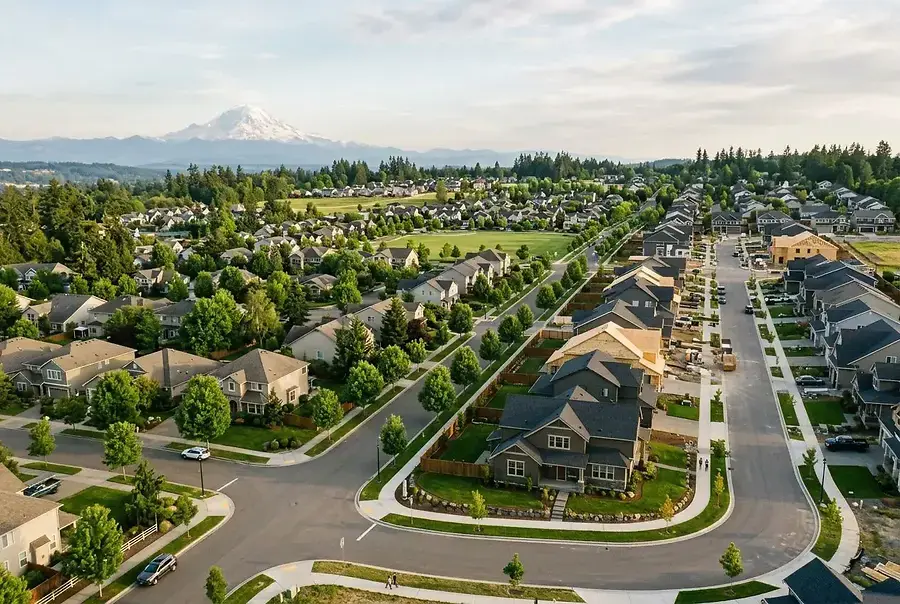
The Shift Toward Suburban Growth in Washington
Washington State has experienced a remarkable transformation in recent years, with a significant migration of homebuyers and investors shifting their focus from urban centers to thriving suburban communities. This trend reflects broader national patterns where remote work flexibility, quality of life considerations, and more affordable housing options are driving residential investment decisions.
The Seattle and Spokane metropolitan areas have become particularly attractive for wealth-building opportunities. As urban cores face affordability challenges and space constraints, surrounding suburbs are experiencing unprecedented growth and appreciation. For savvy investors, this suburban expansion represents a golden opportunity to build substantial equity over time.
Why Washington's suburbs are gaining momentum:
- Improved infrastructure and transportation networks connecting suburbs to major employment centers
- New schools, shopping centers, and recreational facilities attracting young families
- More affordable entry points compared to Seattle and Spokane proper
- Strong job growth in tech, healthcare, and manufacturing sectors
- Population growth outpacing housing supply, creating favorable market conditions
Emerging Communities with Strong Equity Building Potential
Around the Seattle Metropolitan Area
Several communities east and south of Seattle are positioning themselves as the next major growth centers. Issaquah and Sammamish continue to attract families seeking excellent schools and suburban amenities while maintaining proximity to tech jobs. These areas have already appreciated significantly, but continued growth in surrounding neighborhoods offers better entry points.
Maple Valley and Renton represent emerging opportunities with strong fundamentals. These communities are experiencing rapid development, improved transit connections, and increasing commercial activity. Property values here remain more accessible while offering excellent long-term appreciation potential.
For investors seeking higher growth potential, Snoqualmie and North Bend offer compelling opportunities. These communities are benefiting from improved highway access and are attracting younger families seeking a balance between suburban living and outdoor recreation.
Around the Spokane Metropolitan Area
Spokane's suburbs present particularly attractive opportunities for value-conscious investors. Cheney and Liberty are experiencing steady growth driven by Eastern Washington State University expansion and increasing tech sector presence. These areas offer significantly lower entry prices than Seattle suburbs while maintaining strong appreciation fundamentals.
Mead and Airway Heights are rapidly developing communities with improving infrastructure and commercial development. The lower cost of entry combined with consistent population growth makes these areas ideal for building long-term wealth.
Investment Strategies for Residential Properties in Growing Areas
Buy Early in the Growth Cycle
The most successful investors identify communities at the beginning of their growth phase. Look for indicators such as new infrastructure projects, school expansions, and commercial development announcements. Properties purchased before major appreciation cycles offer the greatest returns.
Focus on Fundamentals
Strong residential markets share common characteristics. Evaluate communities based on:
- Population growth rates and demographic trends
- Employment opportunities and wage growth
- School quality and educational institutions
- Infrastructure development and transportation improvements
- Housing supply relative to demand
Consider Rental Income Potential
While appreciation is important, rental income provides ongoing returns and helps offset carrying costs. Growing suburban communities attract renters seeking affordable housing near employment centers. Properties in areas with strong job growth and limited rental inventory offer excellent cash flow potential.
Diversify Across Multiple Communities
Rather than concentrating investments in a single area, consider spreading purchases across several emerging communities. This approach reduces risk while allowing you to benefit from multiple growth corridors. Both the Seattle and Spokane regions offer diverse opportunities suited to different investment profiles.
Monitor Development Patterns
Pay close attention to where developers are investing. Major residential and commercial projects signal confidence in a community's future. Zoning changes, infrastructure investments, and business relocations are reliable indicators of upcoming appreciation.
Time Your Entry Strategically
While timing the market perfectly is impossible, entering during periods of market correction or slower activity often provides better pricing. Conversely, avoid purchasing at market peaks when enthusiasm drives prices beyond fundamental values.
Conclusion: Positioning Yourself for Long-Term Residential Wealth
Washington's suburban communities represent exceptional opportunities for residential property investors seeking to build long-term wealth. The combination of population growth, economic development, and relative affordability compared to major urban centers creates an ideal environment for appreciation and equity building.
Success requires patience, research, and a long-term perspective. By identifying emerging communities early, understanding local fundamentals, and implementing sound investment strategies, you can position yourself to benefit from Washington's continued suburban expansion.
The best time to invest in a community is before everyone else recognizes its potential. Washington's suburbs are at that pivotal moment where early investors can capture substantial returns over the coming years.
Whether you're focused on the Seattle or Spokane regions, the opportunities are substantial. Start by researching communities showing strong growth indicators, connect with local real estate professionals, and begin building your residential property portfolio. Your future wealth may well depend on the suburban investment decisions you make today.