Burbank Mixed-Use Properties: Maximizing Dual-Income Returns
Discover how to identify and invest in properties that generate revenue from both residential and commercial tenants.

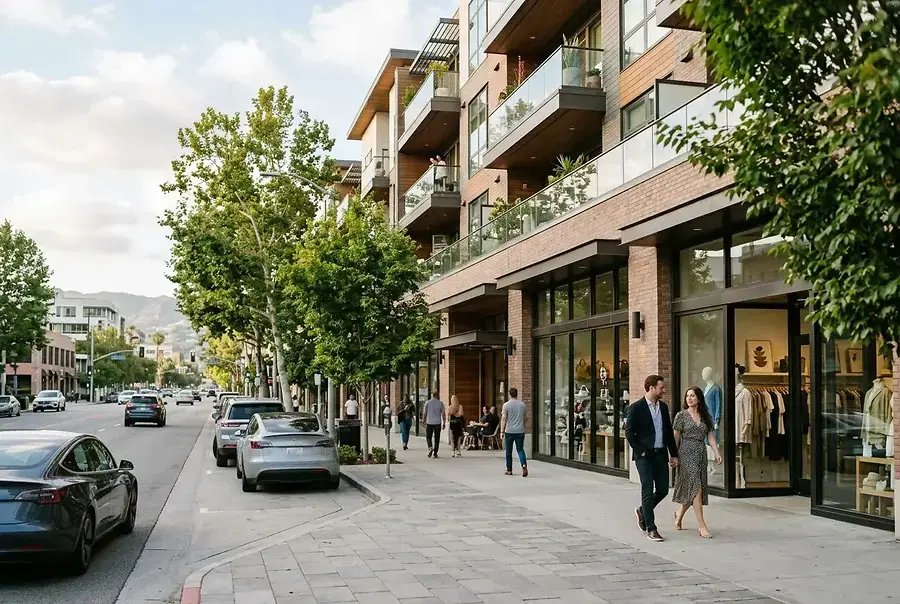
Understanding Mixed-Use Property Structures and Income Potential
Mixed-use properties represent one of the most dynamic investment opportunities in today's real estate market. These versatile assets combine residential units with commercial spaces, creating multiple revenue streams from a single property. In Burbank, where demand for both housing and business space remains strong, mixed-use properties offer investors the chance to diversify income while maximizing property value.
What Makes Mixed-Use Properties Attractive
The fundamental appeal of mixed-use properties lies in their dual income potential. Rather than relying on a single tenant type, you generate revenue from both residential renters and commercial businesses. This diversification provides several advantages:
- Reduced vacancy risk through multiple tenant categories
- Higher overall occupancy rates and rental income
- Increased property appreciation due to versatility
- Enhanced resilience during economic downturns
- Greater flexibility for future repositioning
A typical Burbank mixed-use property might feature ground-floor retail or office space with residential apartments above. This configuration maximizes land utilization and creates a vibrant, walkable environment that attracts quality tenants.
Income Structure and Financial Benefits
Understanding how income flows through mixed-use properties is essential for accurate financial projections. Commercial tenants typically pay higher per-square-foot rates than residential tenants, but residential units often provide more stable, long-term income. The key is balancing these two income sources to create a resilient investment.
Consider a property with 8 residential units generating $2,500 monthly rent each, combined with 2,000 square feet of commercial space leasing at $3 per square foot annually. This structure could generate approximately $240,000 in annual residential income plus $72,000 in commercial revenue—totaling $312,000 before expenses.
Evaluating Zoning Laws and Commercial Viability in Burbank
Burbank's zoning regulations play a crucial role in determining which properties qualify as true mixed-use investments. Before committing capital, thorough zoning analysis is non-negotiable.
Navigating Burbank's Zoning Framework
The city maintains specific zoning designations that permit mixed-use development. Properties in downtown Burbank and along major commercial corridors often have the most favorable zoning for mixed-use projects. Always verify current zoning classifications with the Burbank Planning Department, as regulations can change and vary significantly by neighborhood.
Key zoning considerations include:
- Mixed-use overlay districts that encourage combined development
- Floor-area ratio (FAR) limitations affecting building density
- Parking requirements for both residential and commercial tenants
- Setback and height restrictions
- Permitted uses and conditional use permits
Assessing Commercial Viability
Not every mixed-use property will succeed commercially. Location, visibility, and foot traffic are critical factors. Properties near major intersections, transit hubs, or established business districts typically attract quality commercial tenants more easily than isolated locations.
Conduct thorough market research before investing. Analyze nearby commercial vacancy rates, average lease rates, and tenant demand. A property in a declining commercial area may struggle to maintain commercial occupancy, undermining your dual-income strategy.
Managing Dual Tenant Operations and Maintenance Costs
Successfully operating a mixed-use property requires sophisticated management strategies that address the unique needs of both residential and commercial tenants.
Operational Challenges and Solutions
Managing residential and commercial tenants simultaneously introduces complexity. Residential tenants expect quiet, peaceful living environments, while commercial operations may generate noise, traffic, and activity. Effective property management requires clear policies and proactive communication.
Implement these management best practices:
- Establish separate lease agreements with distinct terms for each tenant type
- Create clear noise and activity guidelines in lease documents
- Implement separate utility metering for accurate billing
- Schedule maintenance during off-hours to minimize disruption
- Maintain professional property management or hire experienced staff
Maintenance and Cost Considerations
Mixed-use properties typically require higher maintenance budgets than single-use properties. You're managing multiple building systems, common areas, and diverse tenant needs. Budget for:
- HVAC systems serving both residential and commercial spaces
- Parking lot maintenance and security
- Lobby and common area upkeep
- Separate trash and recycling systems
- Enhanced insurance coverage for dual operations
Plan for maintenance costs of 8-12% of gross rental income for mixed-use properties—higher than typical residential properties. This accounts for the complexity of maintaining diverse systems and addressing varied tenant needs.
Tenant Relations and Conflict Resolution
Proactive communication prevents conflicts between residential and commercial tenants. Establish clear expectations from day one regarding operating hours, noise levels, and shared facility usage. Regular property inspections and responsive maintenance help maintain tenant satisfaction across both categories.
Conclusion: Building Long-Term Wealth Through Diversified Properties
Burbank mixed-use properties offer compelling opportunities for investors seeking to maximize returns through diversified income streams. By understanding property structures, navigating zoning requirements, and implementing effective management strategies, you can build a resilient real estate portfolio that generates substantial wealth.
The key to success lies in thorough due diligence. Evaluate each property's zoning compliance, commercial viability, and management requirements before investing. Partner with experienced real estate professionals, property managers, and legal advisors who understand Burbank's unique market dynamics.
Mixed-use properties require more active management than single-use investments, but the rewards justify the effort. With dual income streams, reduced vacancy risk, and strong appreciation potential, these properties represent a sophisticated strategy for building long-term wealth in Burbank's dynamic real estate market.


