Burbank Residential-Commercial Hybrid Properties: Investment Guide
Discover how mixed-use properties in Burbank offer dual income streams and unique investment opportunities for savvy real estate investors.

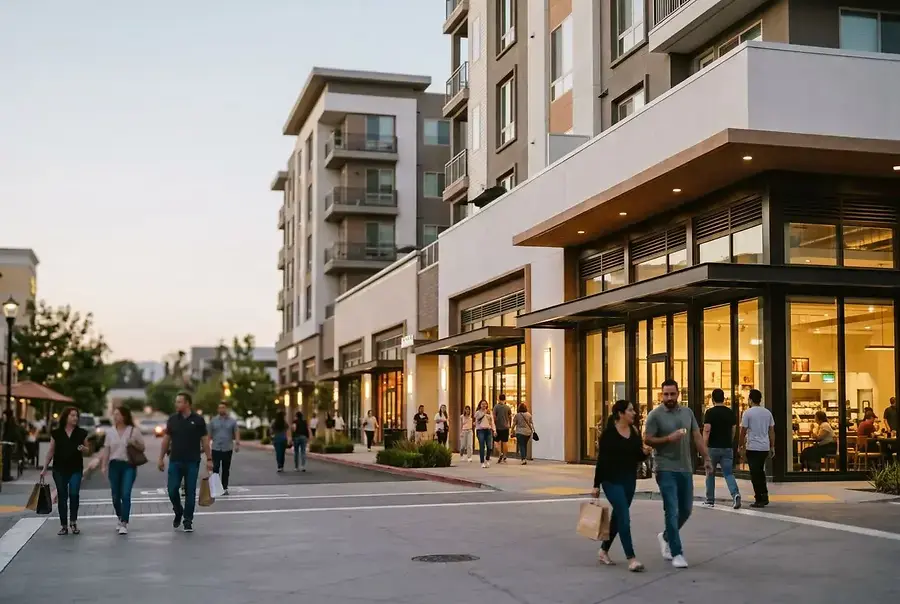
The Rise of Hybrid Properties in Burbank's Real Estate Market
Burbank's real estate landscape is undergoing a significant transformation. The city's strategic location, proximity to major entertainment and business hubs, and evolving zoning regulations have created a perfect storm for residential-commercial hybrid properties. These mixed-use developments are no longer niche investments—they represent a mainstream opportunity for forward-thinking real estate investors seeking diversified income streams.
The appeal is straightforward: why settle for a single income source when you can generate revenue from both residential tenants and commercial businesses under one roof? This dual-income model has attracted institutional investors, small business owners, and seasoned real estate professionals alike to Burbank's emerging hybrid property sector.
Understanding Residential-Commercial Properties: Structure, Benefits, and Income Potential
What Are Hybrid Properties?
Residential-commercial hybrid properties combine living spaces with commercial units in a single building or complex. Common configurations include:
- Ground-floor retail with upper-level apartments: The classic mixed-use model where storefronts serve customers while residents live above
- Office spaces with residential units: Professional offices paired with residential apartments, ideal for entrepreneurs and remote workers
- Mixed-use complexes: Larger developments featuring restaurants, retail, offices, and residential units in one integrated community
The Dual Income Stream Advantage
The primary benefit of hybrid properties is income diversification. Rather than relying solely on residential rent or commercial leases, investors benefit from both revenue streams. This creates several advantages:
- Risk mitigation: If residential occupancy dips, commercial tenants may maintain steady payments, and vice versa
- Higher overall returns: Commercial spaces typically command premium rental rates compared to residential units
- Operational efficiency: Single property management reduces administrative overhead compared to managing separate buildings
- Tenant stability: Mixed-use properties often attract longer-term tenants seeking integrated living and working environments
Income Potential in Burbank
Burbank's unique position as an entertainment and business hub means hybrid properties can command competitive rental rates. Residential units benefit from proximity to studios, production facilities, and corporate offices, while commercial spaces attract service businesses, creative agencies, and professional offices. Investors report that well-positioned hybrid properties in Burbank generate 15-25% higher returns compared to single-use properties in comparable markets.
Financing, Zoning, and Legal Considerations for Burbank Hybrid Investments
Financing Hybrid Properties
Securing financing for mixed-use properties requires a different approach than traditional residential or commercial mortgages. Lenders evaluate these properties based on:
- Combined cash flow analysis: Banks assess the property's total income potential from both residential and commercial tenants
- Debt service coverage ratio (DSCR): Lenders typically require a DSCR of 1.25 or higher for hybrid properties
- Specialized loan products: Many lenders now offer specific hybrid property financing programs with favorable terms
Working with lenders experienced in mixed-use properties is essential. They understand the unique cash flow patterns and can structure loans that reflect the property's true income potential.
Zoning and Regulatory Compliance
Burbank's zoning regulations have evolved to encourage mixed-use development. However, investors must navigate several considerations:
- Zoning verification: Confirm that your target property is zoned for mixed-use development. Burbank has designated specific areas for hybrid properties
- Use permits: Obtain proper permits for both residential and commercial operations
- Building codes: Ensure the property meets all safety and accessibility standards for dual-use occupancy
- Parking requirements: Mixed-use properties often face stricter parking regulations—verify compliance before purchasing
Pro Tip: Consult with a local real estate attorney familiar with Burbank's zoning codes before making an offer. This investment upfront can save thousands in potential complications.
Legal and Operational Considerations
Managing a hybrid property involves unique legal considerations:
- Separate lease agreements: Residential and commercial tenants require distinct lease terms reflecting their different needs and obligations
- Liability and insurance: Hybrid properties require comprehensive insurance covering both residential and commercial operations
- Property management: Consider hiring experienced property managers who understand mixed-use operations
- Tenant relations: Clear communication about shared amenities, noise policies, and maintenance schedules prevents conflicts between residential and commercial tenants
Additionally, investors should understand how hybrid properties are taxed. The IRS treats income from residential and commercial portions differently, requiring separate accounting and potentially offering distinct tax advantages.
Making Your Move in Burbank's Emerging Hybrid Property Sector
The hybrid property market in Burbank represents a compelling investment opportunity for those willing to navigate its complexities. The combination of dual income streams, Burbank's strategic location, and evolving regulatory support creates an environment where hybrid properties can deliver superior returns.
Key takeaways for prospective investors:
- Hybrid properties offer genuine diversification and risk mitigation through multiple income sources
- Burbank's location and zoning evolution make it an ideal market for mixed-use investments
- Proper financing, legal structure, and property management are essential to success
- Working with experienced professionals—attorneys, lenders, and property managers—significantly improves outcomes
The future of Burbank's real estate market increasingly points toward mixed-use development. By understanding the structure, benefits, and requirements of hybrid properties, investors can position themselves to capitalize on this emerging trend. Whether you're a seasoned real estate investor or exploring your first mixed-use opportunity, Burbank's hybrid property sector deserves serious consideration.


