Buying a Historic Home in Williamsburg: What Buyers Should Know
Navigate the unique challenges and rewards of purchasing a colonial-era property in Virginia's most historic town.

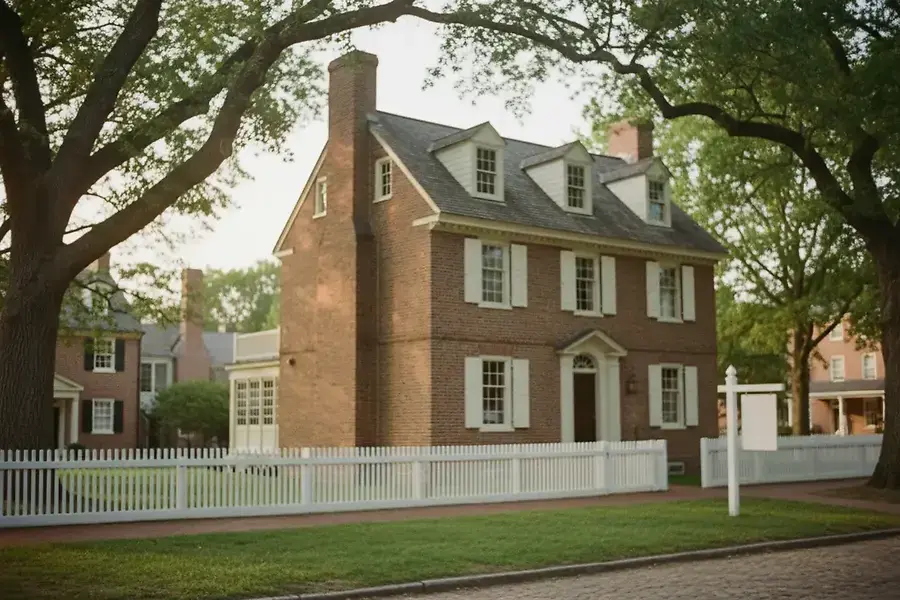
Understanding Historic Property Regulations and Preservation Requirements
Purchasing a historic home in Williamsburg is fundamentally different from buying a modern property. The Colonial Williamsburg Foundation and local historic district guidelines impose strict regulations on any modifications to your home's exterior and, in many cases, its interior. Before making an offer, familiarize yourself with these requirements.
The Architectural Review Board (ARB) must approve most exterior changes, including paint colors, roofing materials, window replacements, and landscaping modifications. This means you cannot simply repaint your shutters a trendy new color or install modern siding without approval. The process typically takes several weeks and requires detailed documentation of your proposed changes.
Key Preservation Considerations
- Exterior modifications require ARB approval before implementation
- Original architectural features should be preserved whenever possible
- Interior renovations may also require approval depending on visibility from the street
- Maintenance standards are strictly enforced to prevent deterioration
- Property taxes may include preservation easement considerations
Understanding these restrictions upfront helps you make informed decisions about whether a particular property aligns with your lifestyle and renovation goals. Some buyers embrace these limitations as a way to preserve history, while others find them restrictive.
Inspection and Structural Considerations for Older Homes
Historic homes in Williamsburg often date back 200+ years, which means they present unique structural challenges that modern homes don't typically face. A standard home inspection may not be sufficient—you'll want to hire an inspector with specific experience with historic properties.
Critical Areas to Evaluate
- Foundation: Settling is common in older homes; assess whether it's stable or progressive
- Structural integrity: Look for signs of rot, insect damage, or compromised framing
- Plumbing and electrical: Original systems may need complete replacement
- Heating and cooling: Many historic homes lack modern HVAC systems
- Moisture and mold: Older construction methods can trap moisture
- Chimney condition: Chimneys are essential features but require regular maintenance
Budget generously for potential repairs. Historic homes often require specialized contractors who understand period-appropriate materials and techniques. A $50,000 renovation estimate might be conservative for a property with significant structural needs.
Pro tip: Request the home's maintenance history and any previous restoration work. This documentation provides valuable insight into the property's condition and what issues have already been addressed.
Financing Options and Appraisal Challenges in Historic Districts
Securing financing for a historic property can be more complicated than purchasing a standard home. Lenders often view older homes as higher risk, and appraisers may struggle to find comparable sales in the historic district.
Financing Challenges and Solutions
Many traditional lenders require additional documentation for historic properties, including detailed inspection reports and proof of insurance. Some lenders specialize in historic home financing and understand the unique value proposition these properties offer.
- Work with lenders experienced in historic property financing
- Prepare comprehensive inspection reports to support your appraisal
- Consider FHA loans, which often have more flexible requirements for older homes
- Explore state and federal historic preservation tax credits that may offset renovation costs
- Budget for higher insurance premiums due to age and construction materials
Appraisals can be particularly challenging because comparable sales in historic districts are limited. Appraisers may undervalue the property if they don't account for the historical significance, location desirability, and unique character that make these homes special. Work with your lender to provide additional market data supporting your purchase price.
Tax Credits and Incentives
The federal Historic Preservation Tax Credit can offset 20% of qualified rehabilitation expenses for income-producing properties. Virginia also offers state tax credits for historic home restoration. These incentives can significantly reduce the cost of necessary renovations, making the overall investment more attractive.
Making Your Offer and Closing on a Historic Property
The offer and closing process for historic homes requires additional considerations beyond standard real estate transactions.
Structuring Your Offer
Include contingencies that account for the unique aspects of historic properties. Your offer should be contingent on:
- A satisfactory inspection by a historic property specialist
- Appraisal at or above the purchase price
- Mortgage approval with terms acceptable for historic properties
- Verification of no outstanding ARB violations or compliance issues
- Title search confirming no preservation easements that would restrict your plans
Request that the seller disclose any pending or previous ARB decisions, maintenance issues, or structural concerns. This transparency helps you make a fully informed decision.
Due Diligence Before Closing
Schedule a final walk-through to ensure any agreed-upon repairs have been completed to your satisfaction. Verify that all utilities are functioning properly and that the home is in the condition specified in your purchase agreement.
Review your title insurance policy carefully to ensure it covers any historic preservation easements or restrictions. Understand exactly what you're purchasing and what limitations come with the property.
Consider hiring a real estate attorney familiar with historic property transactions. They can review all documents, explain preservation requirements, and ensure your interests are protected throughout the closing process.
Final Thoughts
Buying a historic home in Williamsburg is a rewarding investment in both property and history. While the process involves additional complexity compared to modern homes, the character, location, and long-term value of these properties make them worthwhile for the right buyer. Take time to understand the regulations, get thorough inspections, secure appropriate financing, and work with professionals experienced in historic transactions. With proper preparation and realistic expectations, you can successfully navigate the purchase of your dream historic home.