Buying a Home in Chapel Hill: What to Expect as a New Resident
Navigate the Chapel Hill real estate market with insider knowledge about neighborhoods, pricing, and local buying advantages.

Understanding Chapel Hill's Real Estate Market: Neighborhoods and Price Ranges
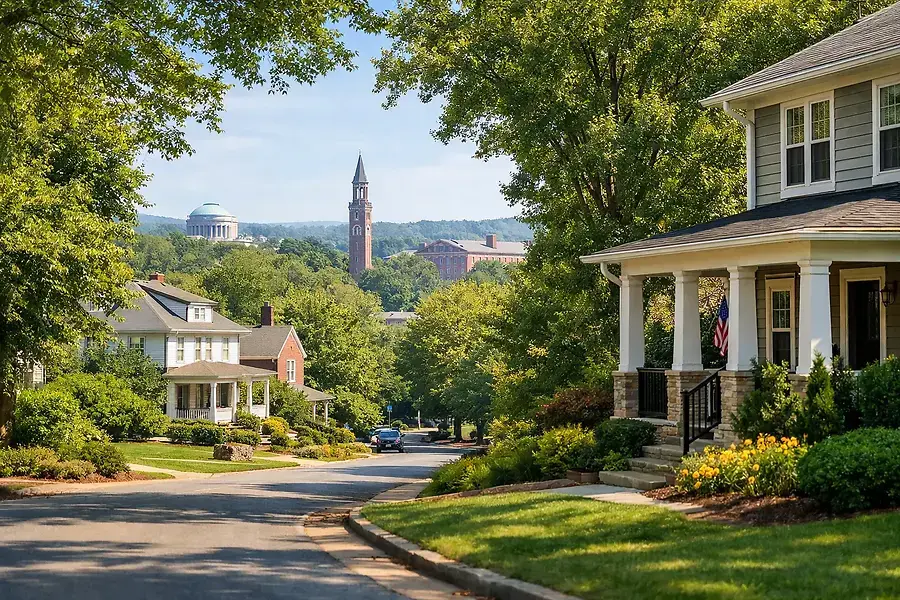
Chapel Hill offers a diverse range of neighborhoods, each with its own character and appeal. Whether you're drawn to the vibrant downtown area, the peaceful residential streets near the university, or the suburban charm of outlying communities, there's something for everyone in this dynamic North Carolina town.
Downtown and University Proximity
Homes near downtown Chapel Hill and the University of North Carolina campus command premium prices, typically ranging from $450,000 to $750,000 for single-family residences. These neighborhoods offer walkability, cultural amenities, and proximity to excellent schools. The trade-off is limited space and higher density living.
Mid-Range Residential Areas
Moving slightly away from the center, neighborhoods like Northside and Southern Pines offer more affordable options, with homes generally priced between $350,000 and $500,000. These areas provide a balance of convenience and space, making them popular with families and professionals.
Suburban Communities
For those seeking larger properties and a quieter lifestyle, suburban areas on the outskirts of Chapel Hill offer homes in the $300,000 to $450,000 range. These neighborhoods often feature larger lots, newer construction, and a strong sense of community.
Key Factors That Impact Home Values in Chapel Hill
Several important factors influence property values in Chapel Hill, and understanding these can help you make a more informed purchasing decision.
Proximity to UNC and Employment Centers
The University of North Carolina is a major economic driver in the region. Homes within walking distance or a short drive to campus tend to appreciate faster and maintain higher values. Additionally, proximity to Research Triangle Park and other employment centers significantly impacts desirability and pricing.
School Quality and Ratings
Chapel Hill-Carrboro City Schools consistently rank among the best in North Carolina. Homes in highly-rated school districts command premium prices, particularly among families with children. School performance is often the primary factor driving home values in residential neighborhoods.
Walkability and Amenities
Neighborhoods with excellent walkability scores, access to parks, restaurants, and retail establishments attract higher demand. The presence of local amenities like the Chapel Hill Downtown, farmers markets, and recreational facilities adds significant value to properties.
Market Trends and Inventory
Like many desirable communities, Chapel Hill experiences seasonal fluctuations in inventory and pricing. Spring and early summer typically see increased competition among buyers, while fall and winter may offer more negotiating power. Current market conditions show steady demand with moderate inventory levels.
The Home Buying Process: Steps Specific to Chapel Hill
Understanding the local buying process will help you navigate your purchase more smoothly and avoid common pitfalls.
Step 1: Get Pre-Approved for a Mortgage
Before you start house hunting, obtain a mortgage pre-approval from a lender. This demonstrates to sellers that you're a serious buyer and gives you a clear budget to work with. Chapel Hill's competitive market means pre-approval is essential.
Step 2: Work with a Local Real Estate Agent
A knowledgeable Chapel Hill real estate agent is invaluable. They understand local market dynamics, neighborhood characteristics, and can provide insights into property values and future development plans. Local expertise can save you time and money.
Step 3: Research Neighborhoods Thoroughly
Visit neighborhoods at different times of day and on weekends. Check out local amenities, talk to current residents, and research school ratings, property taxes, and future development plans. Chapel Hill's neighborhoods vary significantly, so thorough research is crucial.
Step 4: Make an Offer
When you find the right property, your agent will help you craft a competitive offer. In Chapel Hill's market, offers may include contingencies for inspection and appraisal, but be prepared for multiple offer situations. Flexibility and quick response times can give you an advantage.
Step 5: Home Inspection and Appraisal
Once your offer is accepted, schedule a professional home inspection. This is your opportunity to identify any structural or mechanical issues. Simultaneously, your lender will order an appraisal to ensure the property value supports the loan amount.
Step 6: Final Walkthrough and Closing
Before closing, do a final walkthrough to ensure agreed-upon repairs have been completed and the property is in the expected condition. At closing, you'll sign all final documents, transfer funds, and receive the keys to your new Chapel Hill home.
Conclusion: Making Your Move to Chapel Hill
Buying a home in Chapel Hill is an exciting opportunity to join a vibrant, educated, and welcoming community. By understanding the local real estate market, recognizing the factors that drive home values, and following a structured buying process, you'll be well-prepared to make an informed decision.
Chapel Hill offers something special—a perfect blend of academic excellence, cultural richness, and natural beauty. Whether you're relocating for work, education, or simply seeking a better quality of life, Chapel Hill welcomes you. Take your time, do your research, and trust the process. Your new home in Chapel Hill awaits.