Buying a Home in Utah Valley: Neighborhoods That Fit Your Lifestyle
Discover how to choose the right Utah Valley community based on your family's priorities and long-term goals.

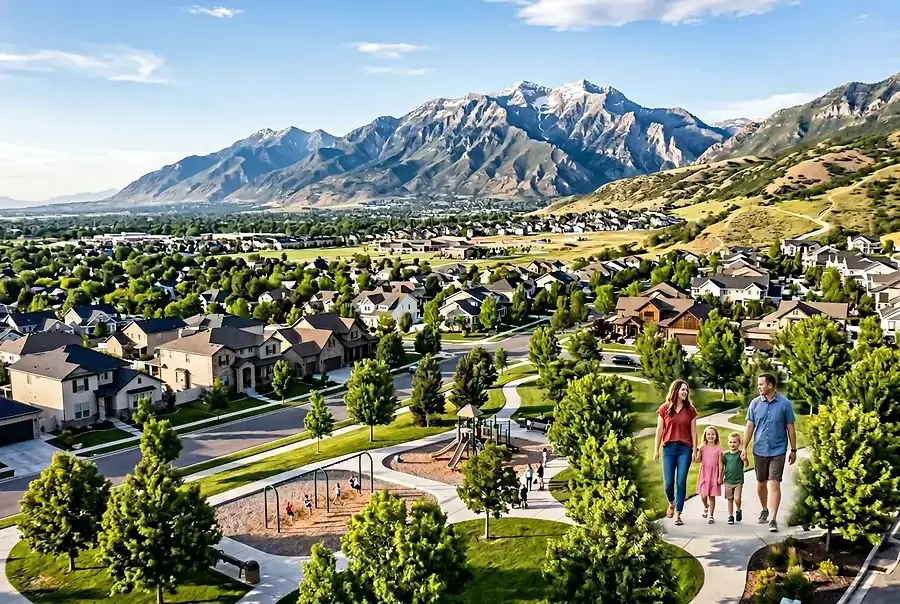
Finding Your Perfect Utah Valley Neighborhood
Choosing where to buy a home is one of the most significant decisions you'll make as a homeowner. Utah Valley offers a diverse range of neighborhoods, each with its own unique character, amenities, and community culture. Whether you're a young professional seeking urban convenience, a growing family prioritizing excellent schools, or someone looking for a tight-knit community with outdoor recreation at your doorstep, Utah Valley has something to offer.
The key to finding your perfect neighborhood lies in understanding your family's priorities and long-term goals. By taking time to evaluate what matters most to you—whether that's school quality, commute times, recreation opportunities, or community atmosphere—you can narrow down your options and make a confident home purchase decision.
Comparing Utah Valley Communities: Schools, Amenities, and Growth Potential
School Quality and Educational Opportunities
For many families, school quality is the primary factor in choosing a neighborhood. Utah Valley is home to several highly-rated school districts with strong academic records and innovative programs. Research school ratings, test scores, and special programs offered in different areas. Some neighborhoods are known for their excellent elementary schools, while others have standout middle and high schools.
Consider visiting schools in person, speaking with current parents, and reviewing recent test data. Many communities in Utah Valley have invested heavily in education, making this an important competitive advantage for families prioritizing academics.
Community Amenities and Services
Beyond schools, amenities significantly impact your quality of life. Look for neighborhoods that offer:
- Parks and Recreation: Access to well-maintained parks, playgrounds, and sports facilities
- Shopping and Dining: Proximity to grocery stores, restaurants, and retail centers
- Healthcare: Nearby clinics, hospitals, and medical facilities
- Community Centers: Libraries, fitness centers, and gathering spaces
- Public Services: Police, fire, and emergency response times
Different neighborhoods offer varying levels of these amenities. Some areas are more developed with established shopping districts, while newer communities may still be building out their infrastructure. Consider your lifestyle needs when evaluating what's available.
Growth Potential and Property Values
Utah Valley has experienced significant growth over the past decade, and understanding growth trends can help you make a smart investment. Some neighborhoods are experiencing rapid development with new construction and rising property values, while others have stabilized with more predictable market conditions.
Research planned developments, zoning changes, and infrastructure projects in areas you're considering. A neighborhood with strong growth potential may offer better long-term appreciation, but rapid growth can also mean changing community character and increased traffic. Balance your desire for appreciation with your preference for community stability.
Lifestyle Factors That Matter: Commute Times, Recreation, and Community Culture
Commute Times and Location
Your daily commute significantly impacts your quality of life. Consider the distance to your workplace and typical traffic patterns. Some Utah Valley neighborhoods offer shorter commutes to major employment centers, while others may require longer drives. If you work from home, commute time may be less critical, but proximity to amenities and social opportunities becomes more important.
Evaluate multiple routes and check traffic conditions during peak hours. A neighborhood that seems convenient on a weekend may have very different traffic patterns during weekday mornings and evenings.
Recreation and Outdoor Activities
Utah Valley is renowned for its outdoor recreation opportunities. If hiking, biking, skiing, or other outdoor activities are important to your family, proximity to these resources matters. Some neighborhoods are located near:
- Mountain trails and hiking areas
- Ski resorts and winter sports facilities
- Lakes and water recreation
- Biking paths and trail systems
- Golf courses and sports complexes
Living near these amenities can enhance your lifestyle and provide easy access to activities you enjoy. However, proximity to popular recreation areas can also mean more traffic and crowding during peak seasons.
Community Culture and Neighborhood Character
Every neighborhood has its own personality. Some communities are known for being family-oriented with active parent groups and youth programs. Others attract young professionals and empty nesters with vibrant nightlife and cultural events. Some neighborhoods emphasize environmental sustainability, while others focus on affordability or luxury living.
Visit neighborhoods at different times of day and on weekends. Talk to current residents about what they love about their community and what challenges they face. Attend community events or visit local coffee shops to get a feel for the neighborhood culture. Your neighborhood should reflect your values and lifestyle preferences.
Demographic Trends and Community Stability
Understanding the demographic makeup of a neighborhood can help you assess whether it aligns with your family's needs. Some areas have a higher concentration of young families, while others attract retirees or young professionals. Consider whether you want a neighborhood with families in similar life stages or a more diverse mix of ages and backgrounds.
Research whether neighborhoods are experiencing demographic shifts that might affect community character over time. A neighborhood that's currently family-focused may be trending toward younger professionals, or vice versa.
Making Your Utah Valley Home Purchase Decision
Choosing the right Utah Valley neighborhood requires balancing multiple factors and priorities. Start by listing what matters most to your family—whether that's school quality, outdoor recreation, commute times, or community culture. Then research neighborhoods that align with these priorities.
Visit potential neighborhoods multiple times, talk to residents, and imagine yourself living there. Consider both your current needs and your long-term goals. A neighborhood that's perfect for your family today should ideally support your lifestyle for years to come.
Work with a knowledgeable local real estate agent who understands Utah Valley's diverse communities and can guide you toward neighborhoods that match your criteria. They can provide insights into market trends, school performance, and community development that will help you make an informed decision.
Your home is more than just a building—it's the foundation for your family's lifestyle and memories. By taking time to choose the right Utah Valley neighborhood, you're investing in a community that will support your family's happiness and success for years to come.