Buying Foreclosed Properties: Opportunities and Risks Explained
Discover how to identify, evaluate, and successfully purchase foreclosed homes while avoiding common pitfalls.

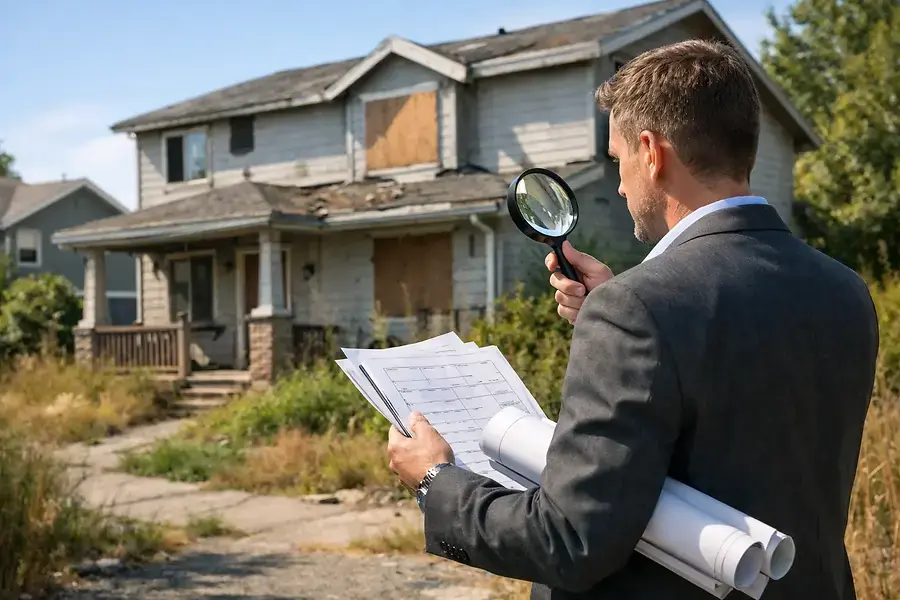
Understanding Foreclosure Markets and Property Types
Foreclosed properties represent unique opportunities for savvy real estate investors seeking below-market deals. When homeowners default on mortgage payments, lenders initiate foreclosure proceedings, ultimately placing properties on the market at significant discounts. Understanding how these markets operate is the first step toward successful investment.
Types of Foreclosed Properties
Foreclosed homes come in three primary forms: pre-foreclosure properties, bank-owned homes, and auction properties. Pre-foreclosure homes are still owned by the distressed homeowner and may offer negotiation opportunities. Bank-owned properties, also called REOs (Real Estate Owned), have already completed the foreclosure process and are managed by lenders seeking quick sales. Auction properties are sold to the highest bidder, often requiring cash and immediate closing.
Market Dynamics and Timing
Foreclosure markets fluctuate based on economic conditions, interest rates, and lending practices. During economic downturns, foreclosure inventory increases, creating more opportunities but also attracting more competition. Successful investors monitor market trends, local economic indicators, and inventory levels to identify the best buying windows. Patience and timing can mean the difference between a profitable investment and a costly mistake.
Due Diligence: Inspections, Title Searches, and Financial Analysis
Thorough due diligence separates successful foreclosure investors from those who face costly surprises. Many foreclosed properties have been neglected, damaged, or carry hidden liabilities that can drain your investment returns.
Professional Inspections and Property Assessment
Never skip professional home inspections on foreclosed properties. These homes often have deferred maintenance, structural issues, or hidden damage from vacancy. Hire qualified inspectors to evaluate:
- Foundation and structural integrity
- Roof condition and remaining lifespan
- HVAC systems and electrical wiring
- Plumbing and water damage
- Mold, pest infestations, and environmental hazards
Budget for repairs conservatively. Many investors underestimate renovation costs, which can quickly erode profits. Obtain detailed repair estimates from licensed contractors before making your offer.
Title Searches and Legal Verification
A clear title is essential for any real estate purchase. Conduct comprehensive title searches to identify liens, judgments, and back taxes that may attach to the property. Foreclosed properties sometimes carry multiple liens from contractors, HOAs, or government agencies. Title insurance protects you from future claims, but prevention is better than cure. Work with a title company to ensure the property has a clear path to ownership transfer.
Financial Analysis and ROI Calculation
Develop a detailed financial analysis before committing capital. Calculate your total investment including:
- Purchase price
- Closing costs and fees
- Estimated repairs and renovations
- Carrying costs (taxes, insurance, utilities)
- Realtor commissions if selling
Compare your total investment against projected resale value or rental income. A property that appears cheap at purchase may not deliver acceptable returns once all costs are factored in. The 70% rule is a common guideline: purchase price plus repairs should not exceed 70% of the after-repair value for fix-and-flip investments.
Making Competitive Offers and Closing the Deal
Successfully acquiring a foreclosed property requires strategic offer strategies and efficient closing processes.
Research and Competitive Positioning
Analyze comparable sales in the area to understand market values. Foreclosed properties often attract multiple offers, especially in competitive markets. Research the seller's motivation—bank-owned properties may prioritize quick closings over maximum price, while auction properties go to the highest bidder. Understanding these dynamics helps you position your offer strategically.
Making Your Offer
Prepare a strong offer that addresses the seller's priorities. For bank-owned properties, include:
- Pre-approval letter demonstrating financing capacity
- Proof of funds for earnest money deposits
- Flexible closing timelines
- Minimal contingencies when possible
- Clear communication about your intentions
Banks appreciate straightforward, professional offers from serious buyers. While you want a good deal, an unreasonably low offer may be rejected outright, wasting valuable time.
Closing Efficiently
Foreclosed property closings can be faster than traditional sales, sometimes completing in 7-14 days. Prepare documentation in advance, coordinate with your lender and title company, and maintain clear communication with all parties. As-is closings are common with foreclosed properties, meaning you accept the property in its current condition. Ensure your inspection and due diligence are thorough before closing, as post-closing remedies are limited.
Conclusion: Building Wealth Through Foreclosure Investments
Buying foreclosed properties offers legitimate wealth-building opportunities for informed investors willing to conduct thorough due diligence. Success requires understanding market dynamics, performing comprehensive inspections and financial analysis, and executing strategic offers. While risks exist—including hidden damage, title issues, and market volatility—these challenges are manageable with proper preparation and professional guidance.
Start by educating yourself about local foreclosure markets, building relationships with real estate professionals, and analyzing deals systematically. Begin with conservative investments to gain experience, then scale your portfolio as confidence grows. Foreclosure investing is not a get-rich-quick scheme, but rather a disciplined approach to acquiring undervalued properties and building long-term wealth through real estate.
"The best investment on Earth is earth." – Louis Glickman
With knowledge, patience, and strategic execution, foreclosed properties can become valuable assets in your investment portfolio.


