Buying Homes in High-Altitude Mountain Towns and Plains Communities
Navigate the unique benefits and considerations of purchasing property in Colorado's mountain towns and Texas's diverse markets.

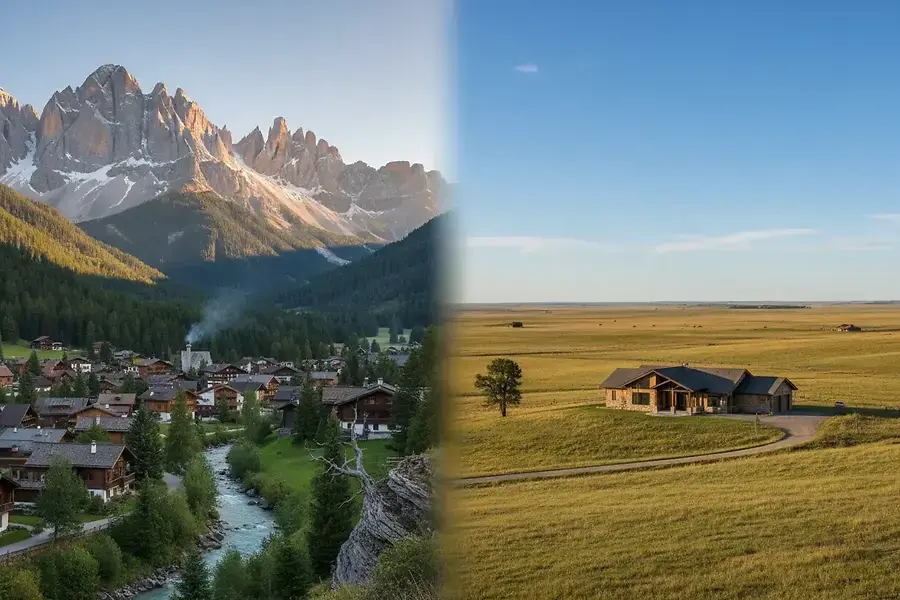
Understanding High-Altitude Living: Benefits and Challenges
The Appeal of Mountain Living
High-altitude mountain towns offer a lifestyle that attracts homebuyers seeking natural beauty, outdoor recreation, and a sense of community. Colorado's mountain communities, ranging from Aspen to smaller towns like Telluride and Crested Butte, provide stunning vistas, world-class skiing, and access to hiking trails that define the mountain experience.
Key benefits include:
- Exceptional outdoor recreation opportunities year-round
- Tight-knit, community-focused neighborhoods
- Scenic beauty and natural amenities
- Strong tourism and seasonal economy
- Lower humidity and crisp, clean air
The Realities of High-Altitude Challenges
However, mountain living comes with distinct challenges that potential buyers must understand. Altitude sickness affects some newcomers, while extreme weather conditions, limited healthcare facilities, and higher construction costs present practical considerations.
Additional challenges include:
- Harsh winters with heavy snowfall and avalanche risks
- Limited job opportunities outside tourism and seasonal work
- Higher property taxes and insurance costs
- Difficulty accessing specialized medical services
- Shorter construction seasons and elevated building expenses
Market Comparison: Mountain Communities vs. Plains Properties
Colorado Mountain Towns: Market Dynamics
Colorado's mountain real estate market operates differently than plains communities. Properties in established mountain towns command premium prices due to limited inventory and high demand from both primary residents and vacation home buyers. Seasonal fluctuations significantly impact the market, with summer and winter peaks driving competition and prices higher.
Mountain properties typically appreciate steadily, though market volatility can occur during economic downturns. The rental market for vacation properties provides income opportunities for investors, making mountain homes attractive for those seeking dual-purpose investments.
Texas Plains Communities: Affordability and Stability
Texas plains communities offer a contrasting market characterized by affordability, stability, and steady growth. Towns across the Texas Panhandle and surrounding regions provide spacious properties at significantly lower price points than mountain equivalents. The plains market appeals to families seeking affordable homeownership and long-term stability.
Plains properties typically feature:
- Lower purchase prices and property taxes
- Larger lot sizes and more space
- Predictable weather patterns and minimal natural disasters
- Growing job markets in agriculture, energy, and technology
- Strong school systems and family-friendly communities
Financial Considerations and Mortgage Options Across Elevations
Mountain Property Financing
Financing mountain properties requires careful consideration. Lenders often view high-altitude properties as higher risk due to environmental factors, limited resale markets, and seasonal income volatility. This can result in:
- Higher interest rates compared to plains properties
- Larger down payment requirements (often 20-30%)
- Stricter appraisal standards
- Limited lender options for remote mountain locations
Buyers should work with lenders experienced in mountain real estate and budget for higher insurance premiums, maintenance costs, and property taxes.
Plains Property Financing
Plains properties benefit from conventional financing options with competitive rates and favorable terms. Lenders view plains properties as lower-risk investments, resulting in better mortgage rates and more flexible down payment options. First-time homebuyers often find plains communities more accessible financially.
Budget considerations for plains properties include:
- Standard property insurance rates
- Moderate maintenance and repair costs
- Predictable utility expenses
- Potential for agricultural or mineral rights income
Investment Returns and Long-Term Value
Mountain properties may offer higher appreciation potential but come with greater volatility. Plains properties provide steady, predictable appreciation with lower risk. Your investment timeline and risk tolerance should guide your choice between these markets.
Making Your Decision: Location-Specific Investment Strategies
Assess Your Lifestyle Priorities
Before committing to either market, honestly evaluate your lifestyle preferences. Do you prioritize outdoor recreation and scenic beauty, or do you value affordability, space, and community stability? Your answer should heavily influence your decision.
The best property investment is one that aligns with your personal values and financial goals, not just market trends.
Evaluate Your Financial Position
Mountain properties require stronger financial positions. Ensure you have:
- Substantial savings for down payments and closing costs
- Emergency funds for unexpected repairs and maintenance
- Stable income to cover higher mortgage payments and insurance
- Flexibility to weather market volatility
Plains properties offer more financial flexibility for budget-conscious buyers and first-time homeowners.
Consider Your Long-Term Plans
Ask yourself critical questions:
- How long do you plan to own this property?
- Will you use it as a primary residence or investment?
- Do you need rental income potential?
- How important is resale flexibility?
Mountain properties work best for buyers planning 10+ year commitments or those seeking vacation rental income. Plains properties suit buyers prioritizing stability, affordability, and straightforward homeownership.
Work with Local Experts
Engage real estate professionals with deep local knowledge. Mountain market specialists understand elevation-specific challenges, while plains experts know community growth patterns and investment potential. Local insight proves invaluable in making informed decisions.
Final Thoughts
Choosing between high-altitude mountain towns and plains communities requires balancing lifestyle aspirations with financial realities. Colorado's mountains offer unparalleled natural beauty and recreation but demand significant financial commitment and tolerance for market volatility. Texas plains communities provide affordable, stable homeownership with room to grow.
Your ideal choice depends on your unique circumstances, priorities, and vision for your future. Take time to explore both markets, consult with professionals, and make a decision that aligns with your long-term goals.


