Buying Investment Property in Colorado: Multi-Family Opportunities Across the Front Range
Discover how residential investors are building wealth through multi-family properties in Denver, Colorado Springs, Pueblo, and Monument.

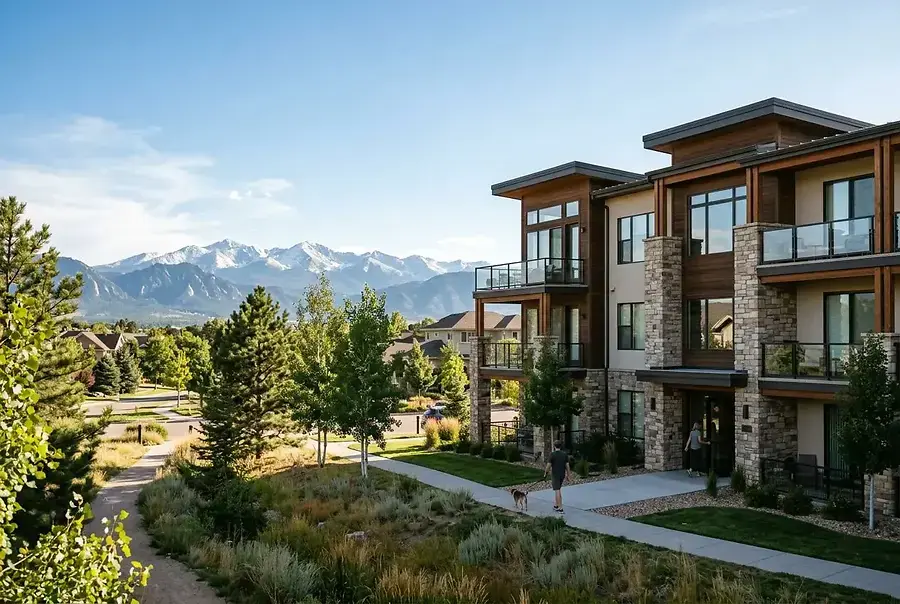
Understanding Multi-Family Investment Fundamentals in Colorado's Residential Market
Multi-family residential properties represent one of the most compelling investment opportunities in Colorado's booming real estate market. These properties—ranging from duplexes to larger apartment complexes—offer investors multiple income streams from a single asset, creating a more stable and diversified portfolio compared to single-family homes.
The Colorado Front Range has experienced significant population growth, driven by tech companies relocating to the region, young professionals seeking outdoor lifestyles, and families attracted to excellent schools and quality of life. This demographic shift has created sustained demand for rental housing, making multi-family properties particularly attractive for long-term wealth building.
Why Multi-Family Properties Matter
Multi-family investments provide several distinct advantages for residential investors:
- Multiple Income Streams: Each unit generates rental income, reducing risk if one tenant vacates
- Economies of Scale: Operating costs per unit decrease as property size increases
- Professional Management: Larger properties justify hiring professional property management companies
- Appreciation Potential: Colorado's growing population supports long-term property value increases
- Tax Benefits: Depreciation, maintenance costs, and mortgage interest provide significant deductions
Market Fundamentals in Colorado
Colorado's residential rental market remains exceptionally strong. Low vacancy rates, rising rents, and consistent population growth create an environment where multi-family properties generate reliable cash flow. Investors who understand these fundamentals can position themselves to capitalize on opportunities before markets become saturated.
Comparing Investment Opportunities: Denver, Colorado Springs, Pueblo, and Monument Markets
Denver: The Premium Market
Denver remains Colorado's largest and most competitive market. The city's thriving tech sector, diverse economy, and cultural attractions drive consistent demand for rental housing. Multi-family properties in Denver command higher prices and lower cap rates, but offer strong appreciation potential and excellent tenant quality.
Key Characteristics: Higher property prices, lower cap rates (4-5%), strong tenant demand, excellent appreciation potential, professional property management readily available.
Colorado Springs: The Growth Opportunity
Colorado Springs offers compelling opportunities for investors seeking higher cap rates and growth potential. The city's military presence, outdoor recreation appeal, and growing tech sector create strong rental demand. Properties here typically offer better cash flow than Denver while maintaining solid appreciation prospects.
Key Characteristics: More affordable entry prices, higher cap rates (5-6%), strong military and government employment, excellent outdoor recreation appeal, emerging tech sector growth.
Pueblo: The Value Play
Pueblo represents an emerging opportunity for value-focused investors. The city is experiencing revitalization efforts, population stabilization, and economic diversification. Multi-family properties here offer the highest cap rates in the Front Range, attracting investors seeking maximum cash flow.
Key Characteristics: Most affordable properties, highest cap rates (6-7%), revitalization initiatives underway, strong community development focus, excellent value for cash flow investors.
Monument: The Niche Market
Monument occupies a unique position between Denver and Colorado Springs. This smaller market appeals to investors seeking a balance between growth potential and affordability. The town's scenic location and proximity to major markets create steady rental demand.
Key Characteristics: Moderate pricing, balanced cap rates (5-6%), scenic mountain community appeal, proximity to Denver and Colorado Springs, smaller market with less competition.
Financial Strategies and Financing Options for Residential Investment Properties
Conventional Financing for Investment Properties
Most residential investors utilize conventional mortgages for multi-family properties. These loans typically require 20-25% down payment and offer competitive interest rates. Lenders evaluate investment properties based on the property's income potential, not just the borrower's personal income, making strong cash flow projections essential.
Alternative Financing Approaches
- FHA Loans: Available for properties with 2-4 units, requiring only 15% down payment
- Portfolio Loans: Offered by local banks, providing flexibility for investors with multiple properties
- Hard Money Loans: Short-term financing for fix-and-flip or bridge financing scenarios
- Private Lending: Funding from private investors or partnerships
- 1031 Exchanges: Tax-deferred strategies for upgrading investment properties
Financial Analysis and Cash Flow Projections
Successful investors analyze properties using key metrics including cap rate (net operating income divided by purchase price), cash-on-cash return (annual cash flow divided by cash invested), and debt service coverage ratio (net operating income divided by debt payments). These metrics help identify properties that generate sufficient income to cover expenses and debt while providing investor returns.
Conservative projections account for vacancy rates (typically 5-8%), maintenance reserves, property management fees, insurance, and property taxes. Properties that generate positive cash flow even with conservative assumptions represent the safest investments.
Getting Started: Steps to Evaluate and Purchase Your First Investment Property
Step 1: Define Your Investment Strategy
Determine your investment goals, timeline, and risk tolerance. Are you seeking maximum cash flow, long-term appreciation, or a balanced approach? Your strategy should align with your financial situation and market selection.
Step 2: Get Pre-Approved for Financing
Work with lenders experienced in investment property financing. Pre-approval demonstrates your seriousness to sellers and accelerates the purchase process. Understand your maximum purchase price and required down payment before beginning property searches.
Step 3: Analyze Properties Thoroughly
Evaluate potential properties using standardized financial metrics. Request rent rolls, expense statements, and tenant information. Conduct thorough inspections and environmental assessments. Compare properties across multiple markets to identify the best opportunities for your investment criteria.
Step 4: Assemble Your Team
Partner with experienced professionals including a real estate agent specializing in investment properties, a property inspector, an accountant familiar with investment real estate, and an attorney to review contracts. These professionals provide invaluable guidance throughout the purchase process.
Step 5: Make Your Offer and Close
Submit competitive offers based on your financial analysis. Negotiate terms that protect your interests, including inspection contingencies and financing contingencies. Work with your team to navigate due diligence and close on your investment property.
Step 6: Implement Property Management
Decide whether to self-manage or hire professional management. Professional managers handle tenant relations, maintenance, and rent collection, allowing you to focus on portfolio growth. The investment in professional management typically pays for itself through improved operations and tenant retention.
Building Your Colorado Investment Portfolio
Colorado's Front Range offers exceptional opportunities for residential investors willing to conduct thorough analysis and implement sound financial strategies. Whether you prioritize cash flow in Pueblo, balanced growth in Colorado Springs, or appreciation potential in Denver, multi-family properties provide the foundation for long-term wealth building.
Success requires patience, discipline, and continuous learning. Start with one property, master the fundamentals, and systematically expand your portfolio. The Colorado market rewards investors who understand local dynamics, analyze properties rigorously, and maintain a long-term perspective.


