Buying Mixed-Use Properties in Omaha: A Complete Investor's Guide
Learn how to evaluate, finance, and invest in residential-commercial properties that maximize both income and lifestyle benefits.

Understanding Mixed-Use Properties in Omaha's Growing Market
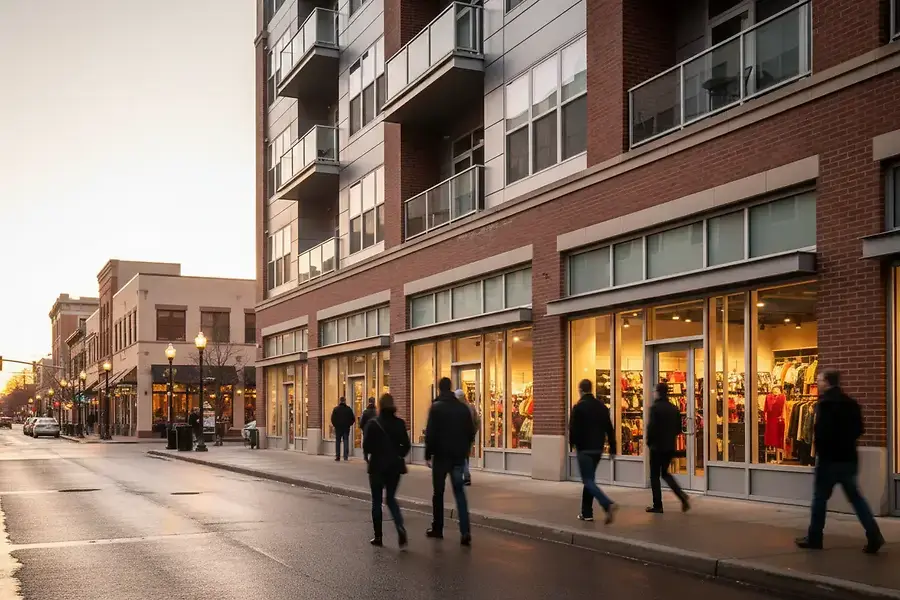
Omaha's real estate market has experienced remarkable growth over the past several years, making it an increasingly attractive destination for savvy investors. Mixed-use properties—buildings that combine residential and commercial spaces—represent a unique opportunity in this expanding market. These properties offer investors the chance to generate multiple revenue streams while capitalizing on Omaha's thriving downtown revitalization and neighborhood development initiatives.
Mixed-use properties in Omaha typically feature ground-floor retail or office spaces with residential apartments or condos above. This configuration allows investors to benefit from both commercial lease income and residential rental revenue. The city's strategic location, growing job market, and improving infrastructure make it an ideal environment for these dual-purpose investments.
Why Omaha's Market is Ideal for Mixed-Use Investments
Omaha has positioned itself as a hub for business and innovation, attracting companies and entrepreneurs from across the nation. The city's downtown corridor, in particular, has seen significant investment and revitalization efforts. This growth creates strong demand for both commercial and residential spaces, making mixed-use properties exceptionally valuable.
- Growing population driving demand for housing and services
- Strong employment market supporting commercial tenancy
- Affordable compared to coastal markets while offering excellent returns
- Active development initiatives increasing property values
Evaluating Residential-Commercial Properties: Key Factors for Success
Successfully investing in mixed-use properties requires careful evaluation of multiple factors. Unlike single-use properties, mixed-use investments demand a more comprehensive analysis of both residential and commercial market conditions.
Location and Neighborhood Analysis
Location remains paramount when evaluating mixed-use properties. Consider the walkability of the neighborhood, proximity to public transportation, and the surrounding commercial ecosystem. Properties in Omaha's Old Market, Benson, and Dundee neighborhoods have shown particularly strong performance due to their vibrant community character and foot traffic.
Analyze the demographic makeup of the area and identify what types of commercial tenants would thrive there. A property in a neighborhood with young professionals might attract trendy restaurants or boutique retail, while areas near medical centers could support healthcare-related businesses.
Tenant Mix and Income Potential
Evaluate the current tenant mix and the potential for diversifying income sources. The ideal mixed-use property generates income from multiple commercial and residential units, reducing your risk if one tenant vacates. Review lease terms, tenant quality, and historical occupancy rates.
- Analyze commercial space rental rates and demand
- Review residential unit rental rates compared to market averages
- Assess the stability and creditworthiness of existing tenants
- Evaluate lease expiration dates and renewal potential
Physical Condition and Renovation Needs
Conduct thorough inspections of both commercial and residential components. Mixed-use properties often require specialized maintenance due to their dual nature. Separate HVAC systems, different flooring requirements, and distinct utility needs can complicate operations. Budget for these unique maintenance considerations when calculating your investment returns.
Financing and Investment Strategies for Dual-Purpose Properties
Financing mixed-use properties differs from traditional residential or commercial loans. Understanding your financing options is crucial for maximizing your investment potential.
Loan Options for Mixed-Use Properties
Most lenders categorize mixed-use properties based on the percentage of space dedicated to residential versus commercial use. Properties that are 80% or more residential typically qualify for residential financing, while those with higher commercial components may require commercial loans.
- Residential-focused loans often offer better rates but stricter occupancy requirements
- Commercial loans provide flexibility but typically require larger down payments
- Portfolio loans from local banks may offer customized terms for mixed-use properties
- SBA loans can be advantageous for owner-occupied mixed-use properties
Investment Strategy Considerations
Develop a clear investment strategy before making your purchase. Will you occupy one of the residential units yourself, creating a primary residence with investment income? Or will you operate it purely as an investment property with all units leased to tenants?
Owner-occupied mixed-use properties often qualify for more favorable financing terms and may offer tax advantages. However, purely investment-focused properties can generate higher overall returns if managed effectively.
Calculating Returns and Cash Flow
When evaluating mixed-use properties, calculate your potential returns carefully. Factor in all income sources—commercial and residential rents—and subtract all expenses including property taxes, insurance, maintenance, property management, and vacancy allowances. A well-performing mixed-use property should generate positive cash flow from day one.
"Mixed-use properties offer the unique advantage of diversified income streams, but they require more sophisticated analysis and management than single-use properties. Success depends on understanding both the residential and commercial markets in your target area."
Making Your Move: Next Steps to Finding Your Ideal Mixed-Use Property
Once you've decided to invest in mixed-use properties, take a systematic approach to finding and evaluating opportunities.
Partner with Experienced Professionals
Work with a real estate agent who specializes in mixed-use properties in Omaha. These professionals understand the unique aspects of dual-purpose investments and can identify opportunities that align with your goals. Additionally, consult with:
- A commercial real estate accountant familiar with mixed-use properties
- A lender experienced in mixed-use financing
- A property manager with mixed-use experience
- A real estate attorney to review contracts and leases
Conduct Thorough Due Diligence
Before making an offer, conduct comprehensive due diligence. Review all existing leases, tenant histories, and financial records. Hire inspectors to evaluate both residential and commercial components. Research zoning regulations to ensure the property's current use is permitted and that future modifications are possible.
Start Your Investment Journey
Omaha's mixed-use property market presents compelling opportunities for investors seeking diversified income and lifestyle benefits. By understanding the market, evaluating properties thoroughly, securing appropriate financing, and partnering with experienced professionals, you can build a successful mixed-use real estate portfolio. The key is to approach each investment with careful analysis and a clear long-term strategy.
Begin your search today and discover how mixed-use properties can transform your investment portfolio while contributing to Omaha's continued growth and vitality.


