Buying Rural Virginia Homes: A Guide to Charlotte, Appomattox & Keysville Properties
Master the unique process of purchasing residential properties in Virginia's charming piedmont communities.
Understanding the Rural Virginia Real Estate Market: Why These Communities Are Gaining Attention
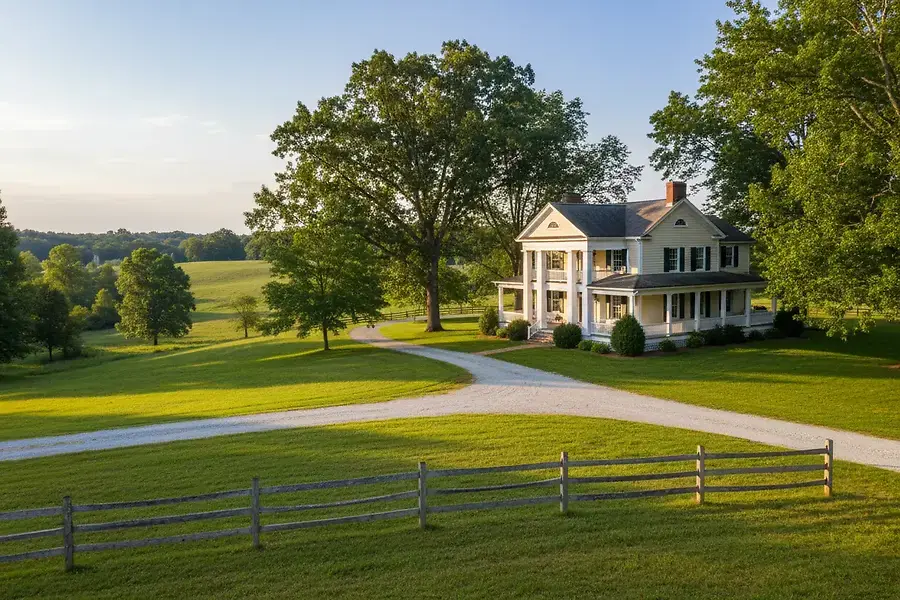
Rural Virginia's piedmont region has become increasingly attractive to homebuyers seeking a slower pace of life without sacrificing access to modern amenities. Communities like Charlotte, Appomattox, Keysville, and Dillwyn offer a unique blend of historical charm, natural beauty, and affordability that appeals to families, retirees, and remote workers alike.
The real estate market in these areas has experienced steady growth as more people recognize the value of rural living. Properties in these communities typically offer more land, lower price points compared to urban centers, and a strong sense of community. Understanding what drives this market is essential before making your investment.
Why Piedmont Virginia Is Attracting New Residents
The piedmont region offers several compelling advantages:
- Affordability: Properties in these rural communities are significantly less expensive than suburban or urban alternatives
- Land Value: Buyers can acquire substantial acreage for residential purposes
- Community Character: These towns maintain their historical heritage while embracing modern development
- Natural Beauty: Rolling hills, farmland, and scenic vistas define the landscape
- Proximity to Amenities: While rural, these communities are within reasonable driving distance of larger cities
Key Differences When Buying in Small Towns: Septic Systems, Land Acreage, and Local Inspections
Purchasing property in rural Virginia requires understanding several factors that differ significantly from suburban or urban home buying. These distinctions can impact your investment and long-term satisfaction with your purchase.
Septic Systems and Well Water
Unlike urban properties connected to municipal systems, most rural homes rely on septic systems and private wells. Before making an offer, ensure a professional septic inspection is conducted. A failing septic system can cost $10,000 to $25,000 to replace, making this inspection critical. Ask the seller for maintenance records and have the system pumped and inspected by a certified professional.
Similarly, well water quality should be tested for contaminants. Request a comprehensive water analysis that checks for bacteria, nitrates, and other potential issues. This protects your family's health and can reveal expensive remediation needs.
Land Acreage and Zoning Considerations
Rural properties often come with substantial acreage, which offers flexibility but requires careful consideration. Verify zoning regulations and any restrictions on land use. Some properties may have agricultural zoning that limits residential development or commercial use. Understanding these limitations prevents costly surprises after purchase.
Additionally, confirm property lines through a professional survey. Rural properties sometimes have unclear boundaries, and a survey ensures you know exactly what you're purchasing. This investment typically costs $300 to $800 but provides essential clarity.
Local Inspections and Unique Considerations
Rural home inspections should be more comprehensive than typical urban inspections. Beyond standard structural and mechanical assessments, inspectors should evaluate:
- Roof condition and age
- Foundation integrity and potential settling
- Electrical systems and panel capacity
- HVAC systems suitable for rural settings
- Drainage and grading around the property
- Outbuildings and their structural soundness
Request an inspector familiar with rural properties, as they understand the unique challenges these homes present.
Financing and Negotiation Strategies for Rural Residential Properties
Financing rural properties can be more challenging than financing suburban homes, but several options exist for qualified buyers.
Understanding Rural Financing Options
Traditional mortgages are available for rural properties, but some lenders specialize in rural financing. USDA loans are particularly valuable for rural home purchases, offering favorable terms for eligible properties and borrowers. These loans often require no down payment and feature competitive interest rates.
Conventional loans remain an option, though some lenders may require larger down payments for rural properties due to perceived higher risk. Shop around with multiple lenders to find the best terms for your situation.
Negotiation Strategies for Rural Markets
Rural real estate markets operate differently from urban markets. Sellers often have less pressure to accept lower offers, but they may be more flexible on terms. Consider these negotiation approaches:
- Emphasize Serious Intent: Demonstrate you're a committed buyer by getting pre-approved for financing
- Offer Flexibility: Be willing to negotiate closing timelines or contingencies
- Request Repairs Strategically: Rather than demanding repairs, offer to handle them yourself in exchange for a price reduction
- Highlight Property Improvements: Show how you plan to enhance the property, appealing to sellers' emotional connections
Making Your Offer: What Local Sellers Expect in Dillwyn, Appomattox, Keysville, and Charlotte Court House
Understanding local expectations helps you craft competitive offers that resonate with sellers in these piedmont communities.
The Offer Structure
Rural sellers typically expect straightforward offers with clear terms. Include:
- Purchase price and earnest money deposit
- Financing contingencies and loan type
- Inspection period (typically 7-10 days)
- Appraisal contingency
- Proposed closing date
Avoid overly complex contingencies that may discourage sellers. Rural property owners often prefer simplicity and reliability.
Building Relationships with Local Sellers
In small communities, personal connections matter. Work with a local real estate agent who understands the area and has established relationships with sellers. These agents can provide insights into what motivates local sellers and help you craft offers that appeal to their values.
When possible, include a personal letter with your offer explaining why you're interested in the property and the community. Many rural sellers care deeply about who purchases their homes and appreciate knowing their property will be cherished.
Timing and Contingencies
Rural markets move at different paces than urban markets. Be patient but decisive. Offer reasonable contingency periods and demonstrate your ability to close on schedule. Sellers in these communities value reliability and follow-through.
Success in rural Virginia real estate comes from understanding local market dynamics, respecting the unique characteristics of rural properties, and building genuine relationships with sellers who care about their community's future.
Final Considerations
Buying a home in rural Virginia's piedmont communities is a rewarding experience that offers exceptional value and quality of life. By understanding the unique aspects of rural real estate, conducting thorough inspections, exploring appropriate financing options, and crafting thoughtful offers, you'll be well-positioned to find your perfect property in Charlotte, Appomattox, Keysville, or Dillwyn. Take your time, work with local professionals, and invest in due diligence to ensure a successful purchase that you'll enjoy for years to come.


