Buying vs. Renting in Glen Ellyn: Which Makes Financial Sense?
Explore the financial advantages and long-term benefits of homeownership versus renting in this thriving Chicago suburb.

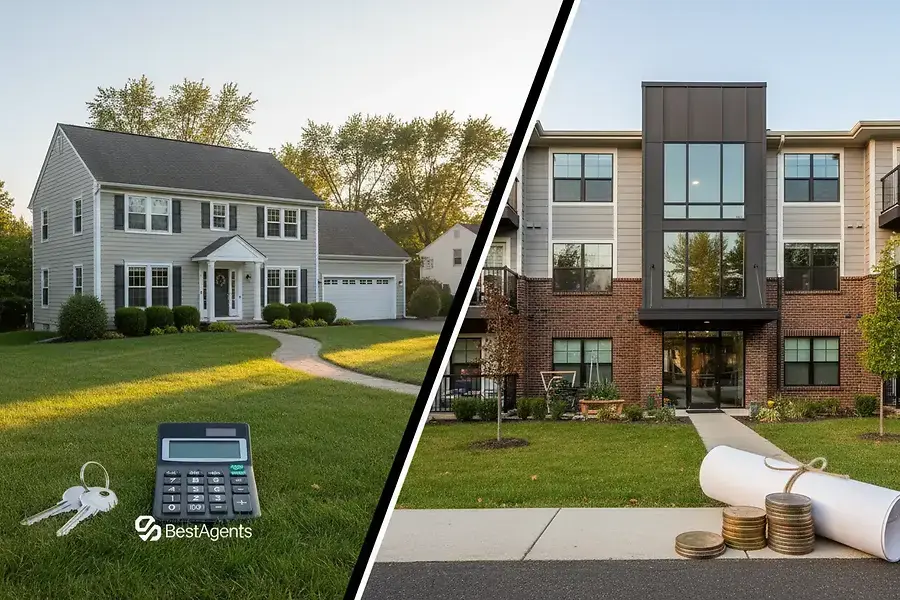
Understanding Your Options in Glen Ellyn's Real Estate Market
Glen Ellyn, a picturesque suburb just 25 miles west of downtown Chicago, has become an increasingly attractive destination for families and professionals seeking a balance between suburban charm and urban accessibility. With excellent schools, vibrant community spaces, and a strong sense of neighborhood pride, it's no wonder that many people are considering making Glen Ellyn their home. However, the decision between buying and renting isn't simply about lifestyle—it's fundamentally a financial one that deserves careful analysis.
Whether you're a first-time homebuyer or someone considering a move to this thriving community, understanding the financial implications of each option is crucial. The choice between buying and renting can impact your wealth-building potential, monthly cash flow, and long-term financial security for decades to come.
The True Cost of Renting: What You're Actually Paying
Monthly Rent and Hidden Expenses
When you rent in Glen Ellyn, your monthly rent payment is just the beginning. Many renters overlook the additional costs that accumulate throughout their tenancy:
- Renter's Insurance: Typically $10-20 per month, this protects your personal belongings
- Utilities: Depending on the lease, you may pay for electricity, gas, water, and internet
- Parking Fees: Some properties charge additional fees for parking spaces
- Pet Deposits and Fees: If you have pets, expect non-refundable fees and monthly pet rent
- Maintenance and Repairs: While landlords handle major repairs, you're responsible for minor damages
The Rent Increase Reality
One of the most significant financial challenges renters face is the inevitable rent increase. In competitive markets like Glen Ellyn, annual rent increases of 3-5% are common. Over a decade, this compounds significantly. A $1,500 monthly rent could easily become $2,000 or more, with no equity to show for your payments.
Key Insight: Rent payments build your landlord's equity, not your own. Every dollar you pay goes toward someone else's investment and future wealth.
Lack of Stability and Control
Renting also means limited control over your living situation. Lease terms typically range from one to two years, and landlords can choose not to renew. This uncertainty can make long-term planning difficult and may force you to relocate when you'd prefer to stay.
Building Equity: Why Homeownership Builds Long-Term Wealth
Mortgage Payments as Wealth Building
When you purchase a home in Glen Ellyn, your monthly mortgage payment serves a dual purpose: it provides shelter and builds equity. With each payment, you own a larger percentage of your property. After 30 years, you own your home outright—a massive financial asset.
Consider this comparison: A renter paying $1,500 monthly for 30 years spends $540,000 with nothing to show for it. A homeowner with a $1,500 mortgage payment builds equity throughout the loan term and eventually owns a property that has likely appreciated significantly in value.
Property Appreciation and Wealth Accumulation
Glen Ellyn's real estate market has demonstrated consistent appreciation over the years. While past performance doesn't guarantee future results, the suburb's desirability, strong schools, and proximity to Chicago make it an attractive investment. Homeowners benefit from this appreciation directly—as your property value increases, so does your net worth.
- Historical Appreciation: Suburban Chicago properties typically appreciate 2-4% annually
- Leverage: You control an asset worth hundreds of thousands with a relatively small down payment
- Forced Savings: Mortgage payments create a disciplined savings mechanism
Tax Benefits and Deductions
Homeowners enjoy significant tax advantages that renters don't have access to. Mortgage interest and property taxes are often deductible, reducing your overall tax burden. These deductions can amount to thousands of dollars annually, effectively lowering your true cost of homeownership.
Stability and Control
As a homeowner, you have complete control over your property. Want to renovate your kitchen? Paint your walls? Build a deck? These decisions are yours alone. This control extends to your housing costs—once you have a fixed-rate mortgage, your principal and interest payment remains stable for the entire loan term, protecting you from the rent increases that plague renters.
Making Your Decision: Key Factors for Glen Ellyn Buyers and Renters
Financial Readiness
Before deciding to buy, honestly assess your financial situation:
- Do you have a down payment saved (typically 5-20%)?
- Is your credit score in good standing?
- Can you afford closing costs (2-5% of the purchase price)?
- Do you have an emergency fund separate from your down payment?
Time Horizon
How long do you plan to stay in Glen Ellyn? Generally, buying makes more financial sense if you'll remain in the home for at least 5-7 years. This timeframe allows you to build sufficient equity to offset closing costs and transaction fees. If you're uncertain about your long-term plans, renting may provide the flexibility you need.
Lifestyle Preferences
Beyond finances, consider your lifestyle needs. Do you value the flexibility of renting, or do you want the stability and control of homeownership? Are you interested in maintaining a yard and home, or would you prefer a landlord to handle maintenance? These personal factors matter as much as the financial analysis.
Market Conditions
While timing the market is impossible, understanding current conditions helps inform your decision. In a buyer's market with lower prices and less competition, purchasing becomes more attractive. In a seller's market with high prices and limited inventory, renting might be the wiser choice until conditions shift.
The Bottom Line
For most people planning to stay in Glen Ellyn long-term, homeownership offers superior financial benefits. Building equity, enjoying tax advantages, and protecting yourself from rent increases create a compelling case for buying. However, if you value flexibility, have limited financial resources, or plan to relocate soon, renting remains a viable option.
The key is making an informed decision based on your unique circumstances. Consult with a financial advisor and a real estate professional in Glen Ellyn to evaluate your specific situation. Whatever you choose, ensure it aligns with your financial goals and lifestyle preferences.


