Buying Waterfront Property in Rocky River: Essential Guide for Homebuyers
Learn what makes Rocky River's lakefront homes special and how to successfully navigate the waterfront buying process.

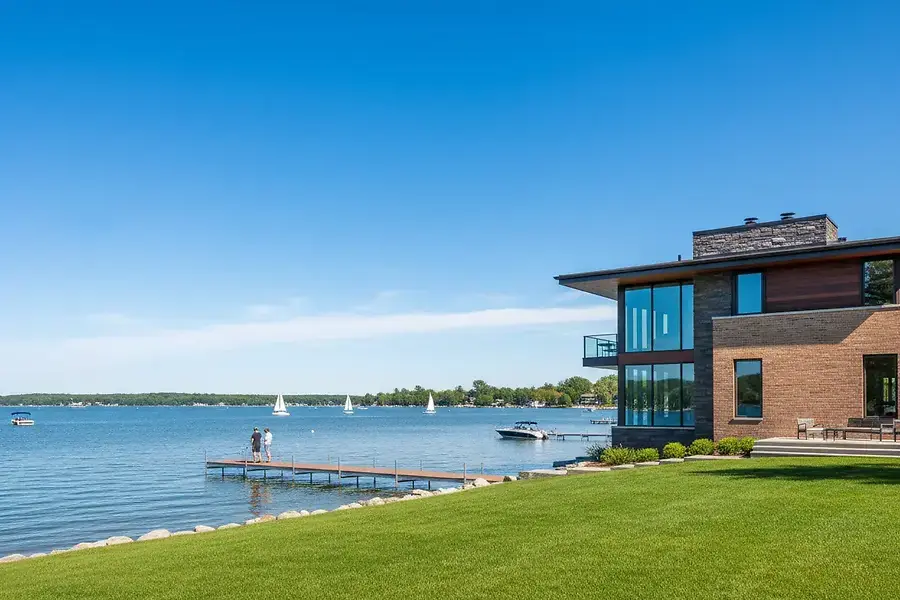
Understanding Rocky River's Waterfront Real Estate Market
Rocky River's waterfront properties represent some of the most desirable real estate in the region. The combination of stunning lake views, established neighborhoods, and proximity to urban amenities makes these homes highly sought after by buyers. The market for waterfront properties in Rocky River has remained competitive, with homes often appreciating steadily over time.
The waterfront market in Rocky River is characterized by a diverse range of properties, from charming cottages to modern estates. Each property offers unique features and access to the beautiful lakefront. Understanding the current market conditions, recent sales trends, and neighborhood dynamics is crucial before making your investment.
Market Trends and Property Values
Waterfront properties in Rocky River tend to command premium prices compared to inland homes. This premium reflects the exclusive location, scenic views, and recreational opportunities available to waterfront residents. Recent market data shows that waterfront homes maintain strong resale value and often appreciate faster than non-waterfront properties in the area.
The demand for Rocky River waterfront homes remains consistently high, driven by both primary residence buyers and investors seeking vacation properties. This steady demand helps stabilize property values and creates a favorable environment for sellers and buyers alike.
Key Considerations When Purchasing Waterfront Properties
Environmental and Natural Factors
Waterfront properties come with unique environmental considerations that inland homes do not face. Understanding these factors is essential for making an informed purchase decision:
- Erosion and Shoreline Stability: Assess the property's vulnerability to erosion and water level fluctuations. Some properties may require protective measures or ongoing maintenance.
- Flood Risk: Determine the property's flood zone classification and understand insurance requirements and costs associated with flood protection.
- Water Quality: Research the lake's water quality, algae conditions, and any environmental concerns that may affect your enjoyment of the property.
- Wildlife and Vegetation: Understand local wildlife patterns and protected vegetation that may impact landscaping and property modifications.
Regulatory and Zoning Requirements
Waterfront properties are subject to additional regulations and restrictions that don't apply to inland properties. These regulations exist to protect the environment and maintain community standards:
- Setback Requirements: Most waterfront properties must maintain specific distances from the shoreline for construction and modifications.
- Dock and Pier Regulations: Rules govern the size, type, and placement of docks, piers, and other waterfront structures.
- Riparian Rights: Understand your rights and responsibilities regarding water access and shoreline use.
- Building Permits: Any modifications or improvements to waterfront properties typically require special permits and inspections.
Maintenance and Upkeep
Waterfront properties require more intensive maintenance than typical homes. The exposure to water, weather, and environmental elements means higher maintenance costs and more frequent repairs. Budget for regular seawall maintenance, dock upkeep, and weatherproofing to protect your investment.
Insurance Considerations
Standard homeowners insurance may not adequately cover waterfront properties. You'll likely need specialized waterfront or flood insurance, which can be significantly more expensive than standard policies. Obtain insurance quotes early in the buying process to understand the true cost of ownership.
Financing, Inspections, and Legal Aspects of Waterfront Homes
Financing Waterfront Properties
Securing financing for waterfront properties can be more challenging than traditional home purchases. Many lenders view waterfront properties as higher risk due to environmental factors and maintenance requirements. Here's what you should know:
- Specialized Lenders: Work with lenders experienced in waterfront property financing who understand the unique aspects of these homes.
- Down Payment Requirements: Expect to make a larger down payment, often 20-25% or more, for waterfront properties.
- Appraisal Challenges: Waterfront properties may be difficult to appraise due to their unique characteristics and limited comparable sales.
- Interest Rates: Interest rates for waterfront properties may be slightly higher due to perceived increased risk.
Professional Inspections
A thorough inspection is absolutely critical when purchasing waterfront property. Beyond a standard home inspection, you should invest in specialized inspections:
- Structural and Foundation Inspection: Ensure the home's foundation can withstand water exposure and environmental stress.
- Seawall and Shoreline Assessment: Have a professional evaluate the condition of any seawalls, bulkheads, or erosion control measures.
- Environmental Assessment: Consider a Phase I environmental assessment to identify potential contamination or environmental issues.
- Dock and Pier Inspection: If included with the property, have these structures professionally inspected for safety and structural integrity.
Legal and Title Issues
Waterfront properties involve complex legal considerations that require careful attention:
Title Search and Survey: Conduct a thorough title search to identify any easements, rights of way, or other encumbrances. A professional survey is essential to confirm property boundaries and waterfront access rights.
Deed Restrictions: Review all deed restrictions and covenants that may limit how you can use or modify the property. Some waterfront communities have strict architectural guidelines and usage restrictions.
Water Rights: Understand your specific water rights, including riparian rights and any limitations on water use or access. These rights vary by location and can significantly impact property value and enjoyment.
HOA and Community Regulations: If the property is part of a homeowners association, carefully review all rules, fees, and restrictions. Waterfront communities often have substantial HOA fees to maintain common areas and infrastructure.
Conclusion: Your Path to Owning a Rocky River Waterfront Home
Purchasing waterfront property in Rocky River is an exciting opportunity to own a piece of paradise, but it requires careful planning and thorough due diligence. By understanding the market, considering environmental and regulatory factors, and addressing financing and legal concerns, you can navigate the waterfront buying process with confidence.
Take time to work with experienced professionals, including real estate agents specializing in waterfront properties, specialized lenders, and attorneys familiar with waterfront law. These experts can guide you through the complexities and help you make an informed decision that aligns with your goals and budget.
With proper preparation and professional guidance, your dream of owning a beautiful waterfront home in Rocky River can become a reality. Start your journey today by researching available properties, understanding the market, and connecting with the right professionals to support your purchase.


