Buying Your First Home in Milwaukee and Kimberly: A Complete Buyer's Handbook
Essential strategies to navigate the Wisconsin real estate market with confidence and avoid costly mistakes.

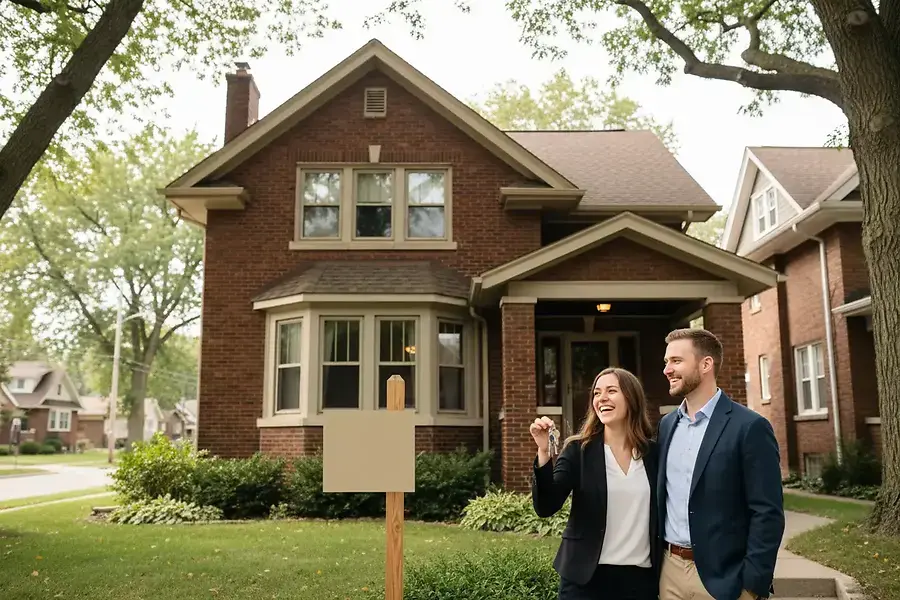
Understanding the Milwaukee and Kimberly Real Estate Markets
The Milwaukee and Kimberly real estate markets offer unique opportunities for first-time homebuyers. Milwaukee, Wisconsin's largest city, features diverse neighborhoods with varying price points, from affordable historic districts to upscale lakefront communities. Kimberly, located in the Fox Valley region, presents a more suburban appeal with strong community values and excellent schools.
Before diving into your home search, take time to understand current market conditions. Research recent sales data, average home prices in your target neighborhoods, and inventory levels. Knowledge is power when negotiating with sellers and making informed decisions about your investment.
Market Trends and Neighborhood Selection
Both markets have experienced steady appreciation in recent years. Milwaukee's neighborhoods like Bay View, Riverwest, and Shorewood attract young professionals, while Kimberly appeals to families seeking suburban tranquility. Consider factors such as:
- Proximity to your workplace or school
- Quality of local schools and community services
- Future development plans and neighborhood growth potential
- Crime rates and neighborhood safety statistics
- Access to parks, recreation, and cultural amenities
Visit neighborhoods at different times of day to get a genuine feel for the community. Talk to current residents and explore local businesses to understand the neighborhood's character and lifestyle.
Pre-Purchase Preparation: Getting Your Finances in Order
Financial preparation is the foundation of successful homeownership. Before you start house hunting, ensure your finances are in excellent shape. This preparation will strengthen your offer and prevent delays during the closing process.
Building Your Credit and Saving for Down Payment
Lenders typically require a credit score of at least 620, though scores above 740 qualify for better interest rates. Review your credit report for errors and dispute any inaccuracies. Pay down existing debts and avoid opening new credit accounts before applying for a mortgage.
Save for your down payment strategically. While conventional loans require 20% down, many first-time buyer programs accept 3-5% down payments. Consider these options:
- FHA loans with down payments as low as 3.5%
- Wisconsin Housing and Economic Development Authority (WHEDA) programs
- First-time homebuyer grants and assistance programs
- Employer-sponsored down payment assistance
Getting Pre-Approved for a Mortgage
Obtain a mortgage pre-approval letter before house hunting. This document shows sellers you're a serious buyer and helps you understand your budget. Pre-approval involves a thorough review of your financial situation, including income verification, debt analysis, and credit evaluation.
Pro tip: Compare offers from multiple lenders. Interest rates and fees vary significantly between institutions, and even small differences compound over 30 years of mortgage payments.
Understanding Additional Costs
Beyond the down payment and mortgage, budget for closing costs (typically 2-5% of the purchase price), property taxes, homeowners insurance, and potential HOA fees. In Wisconsin, property taxes are moderate compared to national averages, but vary by municipality. Get pre-approved estimates for all these expenses to avoid surprises.
The Home Inspection and Appraisal Process Explained
Once you've made an offer and it's been accepted, the inspection and appraisal processes protect your investment and ensure you're paying a fair price.
Scheduling and Conducting the Home Inspection
A professional home inspector examines the property's structural integrity, electrical systems, plumbing, HVAC, roof condition, and more. Never skip this crucial step. The inspection typically costs $300-500 and takes 2-3 hours. Attend the inspection personally to ask questions and understand any issues.
The inspector will provide a detailed report listing any defects or concerns. Common issues in older Milwaukee homes include:
- Outdated electrical systems requiring updates
- Plumbing issues or lead pipes needing replacement
- Roof age and condition concerns
- Foundation cracks or water intrusion problems
- Asbestos or lead paint in older properties
Use inspection findings to negotiate repairs or credits with the seller. Some issues are deal-breakers, while others are manageable with proper budgeting.
Understanding the Appraisal Process
Your lender requires an appraisal to ensure the property's value supports the loan amount. An independent appraiser evaluates the home based on comparable sales, condition, and market factors. If the appraisal comes in lower than your offer price, you'll need to renegotiate or bring additional funds to closing.
The appraisal protects both you and your lender by ensuring the property serves as adequate collateral for the loan.
Making an Offer and Closing Successfully
The final stages of home buying require careful attention to detail and strategic decision-making.
Crafting a Competitive Offer
Your real estate agent will help you determine a competitive offer price based on comparable sales and market conditions. Include contingencies for inspection, appraisal, and financing. In competitive markets, consider:
- Offering close to asking price with fewer contingencies
- Including an escalation clause to remain competitive
- Offering a larger earnest money deposit to show commitment
- Providing a pre-approval letter with your offer
Navigating the Closing Process
After your offer is accepted, you'll enter the closing phase. This typically takes 30-45 days and involves several critical steps:
Final Walk-Through: Verify that agreed-upon repairs were completed and the property is in expected condition.
Title Search and Insurance: Ensure the seller has clear title to the property and obtain title insurance protecting your ownership rights.
Final Loan Approval: Your lender conducts a final review of your finances and the property appraisal.
Closing Disclosure: Review this document at least three days before closing. It outlines all loan terms, monthly payments, and closing costs.
Closing Day: Sign documents, transfer funds, and receive the keys to your new home. Bring a valid ID and be prepared to sign numerous documents.
Post-Purchase Considerations
Congratulations on your new home! After closing, update your address with relevant institutions, schedule utility transfers, and plan any necessary repairs or renovations. Consider establishing an emergency fund for unexpected home maintenance costs.
Homeownership in Milwaukee and Kimberly offers wonderful opportunities for building equity and creating a stable future. By following this handbook and working with experienced professionals, you'll navigate the process confidently and avoid costly mistakes. Welcome home!