Cary Home Inspection Essentials: What Every Buyer Needs to Know
Discover the critical inspection checklist every Cary homebuyer should understand before closing on their new property.

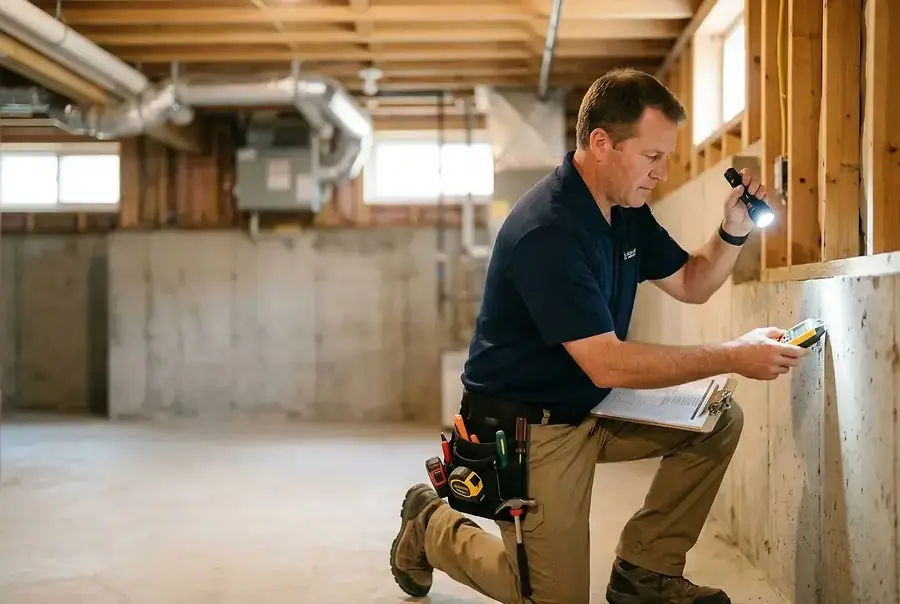
What Every Home Inspection Reveals About Property Condition
A professional home inspection is one of the most important steps in the homebuying process. It provides a comprehensive evaluation of a property's structural integrity, mechanical systems, and overall condition. During a typical inspection, licensed inspectors examine everything from the foundation to the roof, identifying potential issues that could affect your investment.
The inspection process covers several critical areas:
- Structural Components: Foundation, walls, floors, and roof structure
- Exterior Elements: Siding, windows, doors, gutters, and drainage systems
- Roofing: Shingles, flashing, and overall condition
- Plumbing Systems: Water supply lines, drainage, fixtures, and water heater
- Electrical Systems: Panel, wiring, outlets, and safety features
- HVAC Systems: Heating, cooling, and ventilation equipment
- Interior Conditions: Walls, ceilings, flooring, and built-in appliances
A thorough inspection typically takes 2-3 hours and results in a detailed report documenting the property's condition, including photographs and recommendations for repairs or maintenance.
Common Issues Found in Cary Homes and How to Address Them
Moisture and Water Damage
Cary's climate can contribute to moisture-related issues in homes. Inspectors frequently identify water stains, mold growth, and inadequate drainage around foundations. Address these issues promptly by improving grading around the home, installing proper gutters, and ensuring basement waterproofing is adequate.
HVAC System Age and Efficiency
Many Cary homes have aging heating and cooling systems. If your inspection reveals an older HVAC unit, budget for replacement within the next few years. Modern systems are more energy-efficient and can significantly reduce utility costs.
Roof Condition and Age
Roof inspections often reveal wear and tear, especially on homes over 15-20 years old. Asphalt shingles typically last 15-25 years, so understanding your roof's age is crucial for long-term planning. Request a professional roofer's assessment if concerns arise.
Electrical System Updates
Older Cary homes may have outdated electrical panels or insufficient grounding. Modern homes require adequate capacity for today's technology and appliances. Upgrading to a 200-amp service is often recommended for older properties.
Plumbing Issues
Corroded pipes, outdated fixtures, and water pressure problems are common findings. If your inspection reveals galvanized pipes, consider a gradual replacement plan with copper or PEX piping.
Navigating Inspection Reports and Negotiating Repairs
Understanding Your Inspection Report
Inspection reports can be lengthy and technical. Focus on three categories:
- Critical Issues: Safety hazards or major system failures requiring immediate attention
- Significant Concerns: Problems that will likely need repair soon
- Minor Issues: Maintenance items or cosmetic concerns
Negotiation Strategies
Once you receive your inspection report, you have several options:
- Request Repairs: Ask the seller to fix critical issues before closing
- Request Credits: Negotiate a credit toward closing costs to handle repairs yourself
- Price Reduction: Request a lower purchase price reflecting the repair costs
- Accept As-Is: Proceed without repairs if issues are minor or manageable
Pro Tip: Prioritize negotiating critical safety issues and major system repairs. Minor cosmetic issues are typically easier to handle after purchase.
Working with Your Real Estate Agent
Your real estate agent can provide valuable guidance on which issues are negotiable in the current market and what repair requests are reasonable. They understand local market conditions and can help you make strategic decisions.
Making Your Final Decision: Using Inspections to Protect Your Investment
Evaluating Long-Term Costs
Don't just focus on immediate repairs. Consider the long-term financial implications of issues identified in the inspection. A home with an aging roof and HVAC system may require significant investment within the next 5-10 years. Factor these costs into your decision-making process.
Creating a Maintenance Plan
Use your inspection report to create a prioritized maintenance and repair plan. This helps you budget for necessary work and prevents small issues from becoming major problems. Address critical safety issues immediately, then tackle significant concerns within the first year.
Protecting Your Investment
A home inspection is your opportunity to make an informed decision. Don't skip this crucial step or waive the inspection contingency to make your offer more competitive. The small cost of an inspection (typically $300-500) is minimal compared to the potential cost of undiscovered problems.
Remember that no home is perfect. The goal is to understand what you're buying and make decisions based on complete information. By thoroughly reviewing your inspection report and negotiating strategically, you can protect your investment and move forward with confidence in your Cary home purchase.
Final Thoughts
Home inspections are an essential part of responsible homebuying. They provide the detailed information you need to make smart decisions, negotiate effectively, and plan for future maintenance. Take time to understand your inspection report, ask questions, and use the findings to protect your investment in your new Cary home.


