Cedar Rapids Home Inspection Checklist: What Buyers Must Know
Learn the essential inspection points that protect your investment and reveal hidden property issues before you commit.

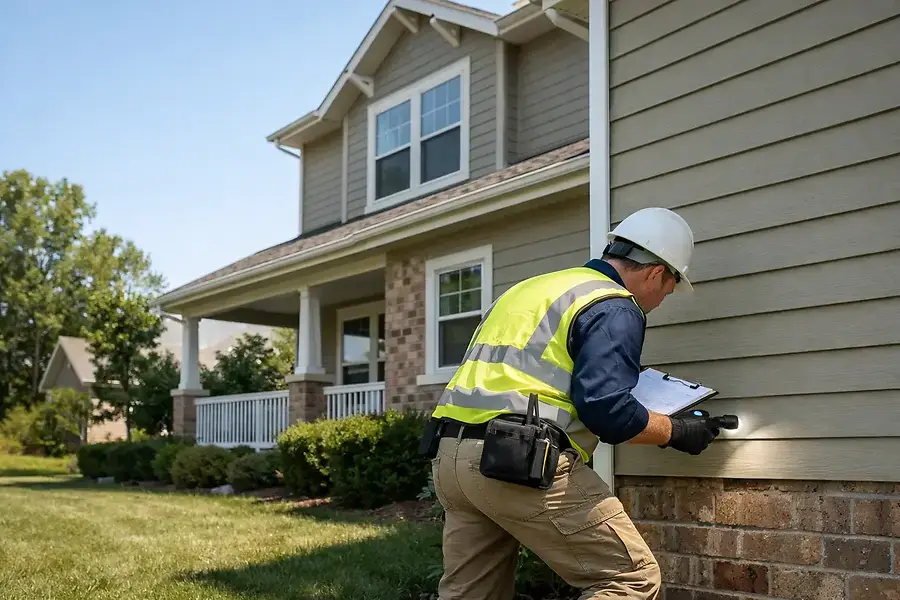
Why Professional Home Inspections Matter in Cedar Rapids
Purchasing a home is one of the largest financial decisions you'll make in your lifetime. In Cedar Rapids, where homes range from historic properties to modern constructions, a professional home inspection is your safeguard against costly surprises. An inspection reveals the true condition of a property beyond what the naked eye can see, protecting your investment and giving you the information needed to negotiate effectively.
A qualified home inspector examines every major system and component of the property, providing a detailed report that becomes your roadmap for decision-making. Without this crucial step, you could inherit expensive repairs, safety hazards, or structural problems that significantly impact your home's value and your family's well-being.
Critical Areas to Evaluate: Structural, Systems, and Safety
Foundation and Structural Integrity
The foundation is your home's backbone. Inspectors look for cracks, settling, water damage, and signs of foundation movement. In Cedar Rapids, where soil conditions and weather patterns can affect foundations, this inspection is particularly important. Any significant cracks or bowing walls warrant a closer look from a structural engineer.
Roofing and Exterior
Your roof protects everything beneath it. Inspectors evaluate:
- Shingle condition and remaining lifespan
- Flashing around chimneys and vents
- Gutters and downspout functionality
- Siding, windows, and exterior doors for damage or deterioration
- Proper drainage away from the foundation
A roof replacement can cost $10,000 or more, making this assessment critical to your budget planning.
Plumbing Systems
Inspectors test water pressure, check for leaks, evaluate pipe materials, and assess the water heater's condition. They look for signs of corrosion, outdated materials, and potential issues that could lead to water damage. Older homes may have galvanized pipes that are prone to corrosion and should be replaced.
Electrical Systems
A thorough electrical inspection includes:
- Panel capacity and condition
- Proper grounding and bonding
- Outlet and switch functionality
- Presence of GFCI outlets in wet areas
- Identification of outdated or unsafe wiring
Faulty electrical systems pose serious fire and safety risks, making this one of the most important evaluations.
HVAC Systems
Your heating and cooling systems are essential for comfort and safety. Inspectors evaluate furnace and air conditioning unit age, efficiency, and functionality. They check ductwork for leaks and proper insulation, which directly impacts your energy bills.
Interior Conditions
Inspectors examine walls, ceilings, and floors for water damage, mold, and structural issues. They test doors, windows, and built-in appliances. Water stains or musty odors can indicate hidden moisture problems that lead to expensive remediation.
Red Flags and When to Renegotiate or Walk Away
Major Concerns That Require Action
Certain inspection findings should trigger serious consideration:
- Foundation problems: Significant cracks, settling, or water intrusion require professional assessment and can be extremely costly to repair.
- Roof damage: If replacement is needed within the next few years, negotiate a credit or price reduction.
- Outdated electrical systems: Knob-and-tube wiring or inadequate panels pose safety risks and may affect insurance rates.
- Plumbing issues: Galvanized pipes, active leaks, or low water pressure indicate needed replacements.
- Mold or water damage: These issues can spread and become health hazards if not properly addressed.
- HVAC failure: Replacement costs can exceed $5,000, making this a significant negotiation point.
When to Renegotiate
Use inspection results as leverage. If the report reveals issues, you have several options:
- Request the seller make repairs before closing
- Negotiate a price reduction to cover repair costs
- Ask for a credit at closing to handle repairs yourself
- Request the seller provide warranties or guarantees for recent work
When to Walk Away
Sometimes, the inspection reveals problems so extensive that walking away is the wisest choice. If repair costs approach or exceed 10-15% of the purchase price, or if major systems require complete replacement, reconsider your offer. Your safety and financial security should always come first.
Next Steps: Using Inspection Results to Make Confident Offers
Review the Report Thoroughly
Don't just skim the summary. Read the detailed findings, understand the severity ratings, and ask your inspector to clarify anything unclear. A good inspector is available to answer questions and provide context for their findings.
Get Repair Estimates
For significant issues, obtain quotes from licensed contractors. This gives you concrete numbers for negotiations and helps you understand the true cost of repairs.
Prioritize Your Concerns
Not every finding requires action. Distinguish between cosmetic issues and serious problems. Focus your negotiations on items that affect safety, functionality, or long-term value.
Make Your Move
Armed with inspection data, you're in a strong position to negotiate. Whether you're requesting repairs, price reductions, or credits, you have documented evidence supporting your position. This confidence leads to better deals and protects your investment.
A professional home inspection is not an expense—it's an investment in peace of mind and financial protection. In Cedar Rapids' competitive real estate market, this information gives you the advantage you need to make smart decisions.