Central Oahu Home Inspection Essentials: What Buyers Must Know
Master the critical inspection process to protect your investment and avoid costly surprises in Mililani, Kapolei, Honolulu, and surrounding neighborhoods.

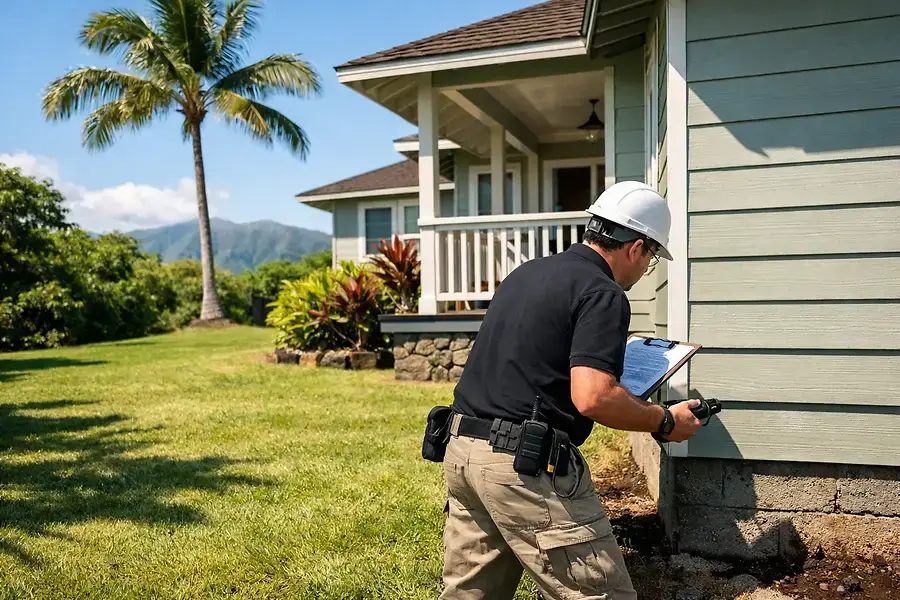
Understanding the Home Inspection Process and Why It Matters
Purchasing a home is one of the most significant financial decisions you'll make, especially in the competitive Central Oahu real estate market. A professional home inspection is your safeguard against inheriting costly problems and hidden defects. This comprehensive evaluation provides an objective assessment of the property's condition before you commit to the purchase.
A standard home inspection typically takes 2-4 hours and covers the entire property, both inside and out. The inspector will document findings in a detailed report that becomes crucial leverage during negotiations. In neighborhoods like Mililani, Kapolei, and Honolulu, where properties range from older established homes to newer developments, inspections reveal how well a home has been maintained and what repairs or replacements may be needed.
Why is this important? Without an inspection, you could unknowingly purchase a property with foundation issues, faulty electrical systems, or plumbing problems that could cost tens of thousands of dollars to repair. An inspection contingency in your purchase agreement protects your interests and gives you the right to renegotiate or walk away if serious issues are discovered.
Key Areas Inspectors Evaluate: From Structural Integrity to Systems
Structural Components
Inspectors begin by examining the foundation, walls, and overall structural integrity. In Central Oahu's tropical climate, moisture intrusion and termite damage are common concerns. They'll look for:
- Foundation cracks or settling issues
- Water damage or signs of previous flooding
- Termite or pest damage
- Roof condition and remaining lifespan
- Exterior walls and siding integrity
Electrical and Plumbing Systems
These systems are critical to daily living and safety. Inspectors evaluate:
- Electrical panel capacity and safety compliance
- Outlet and switch functionality
- Water pressure and drainage
- Pipe materials and corrosion signs
- Water heater age and condition
- Septic systems or sewer connections
HVAC and Climate Control
Hawaii's warm climate makes air conditioning and ventilation essential. Inspectors assess cooling system efficiency, age, and maintenance history. They'll also check for proper insulation and ventilation to prevent mold growth—a significant concern in humid tropical environments.
Interior Conditions
A thorough inspection includes checking:
- Kitchen appliances and fixtures
- Bathroom plumbing and ventilation
- Windows and doors for proper operation
- Flooring condition and stability
- Interior walls for cracks or water stains
- Attic ventilation and insulation
Red Flags and Deal-Breakers: How to Interpret Inspection Reports
Understanding the Report
Inspection reports categorize findings by severity. Critical issues require immediate attention and can significantly impact property value. Major concerns should be addressed within a reasonable timeframe, while minor items are typically cosmetic or routine maintenance needs.
Common Red Flags in Central Oahu Properties
Foundation Problems: Cracks wider than 1/4 inch, uneven settling, or water intrusion suggest structural issues that are expensive to repair. These are often deal-breakers.
Roof Damage: If the roof is near the end of its lifespan or shows significant damage, replacement costs can exceed $10,000-$15,000. This is a major negotiation point.
Mold and Moisture: Hawaii's humidity creates ideal conditions for mold growth. Extensive mold indicates poor ventilation or water damage and poses health risks.
Electrical Hazards: Outdated wiring, overloaded panels, or improper grounding are safety concerns that must be addressed before purchase.
Plumbing Issues: Corroded pipes, low water pressure, or failing septic systems require costly repairs. Polybutylene pipes, found in some older homes, are particularly problematic.
Pest Damage: Termite infestations can compromise structural integrity. Professional pest inspections may be necessary alongside the general home inspection.
What's Negotiable?
Not every finding is a deal-breaker. Minor repairs, cosmetic issues, and routine maintenance can often be negotiated. Sellers may offer credits, complete repairs, or reduce the price. However, major structural, electrical, or safety issues typically require professional remediation before closing.
Next Steps: Using Inspection Results to Negotiate and Protect Your Purchase
Review and Prioritize
Once you receive the inspection report, review it carefully with your real estate agent. Prioritize findings by severity and cost. Distinguish between items that are essential to address and those that are optional improvements.
Request Seller Repairs or Credits
Armed with the inspection report, you have leverage to negotiate. You can:
- Request the seller repair critical items before closing
- Ask for a credit toward repairs you'll handle yourself
- Request a price reduction reflecting the cost of repairs
- Make your offer contingent on satisfactory repairs
In competitive Central Oahu markets, sellers may resist major repair requests. Be prepared to compromise or walk away if the property's condition doesn't justify the asking price.
Obtain Follow-Up Inspections
For significant issues, consider hiring specialists. Structural engineers evaluate foundation problems, pest inspectors assess termite damage, and mold specialists determine contamination extent. These expert opinions strengthen your negotiating position.
Plan Your Budget
Use the inspection report to create a realistic post-purchase budget. Even after negotiations, you'll likely face repairs and maintenance. Set aside funds for urgent items and plan renovations accordingly.
Final Walk-Through
Before closing, conduct a final walk-through to verify that agreed-upon repairs were completed satisfactorily. Ensure the property matches the inspection findings and that no new damage has occurred.
Protect Your Investment: A thorough home inspection is your best defense against costly surprises. By understanding what inspectors evaluate, recognizing red flags, and using inspection results strategically, you'll make an informed decision and secure your Central Oahu home with confidence.