Chantilly Home Inspection Essentials: What Buyers Need to Know
A comprehensive guide to understanding the inspection process and protecting your investment in Chantilly's residential market.

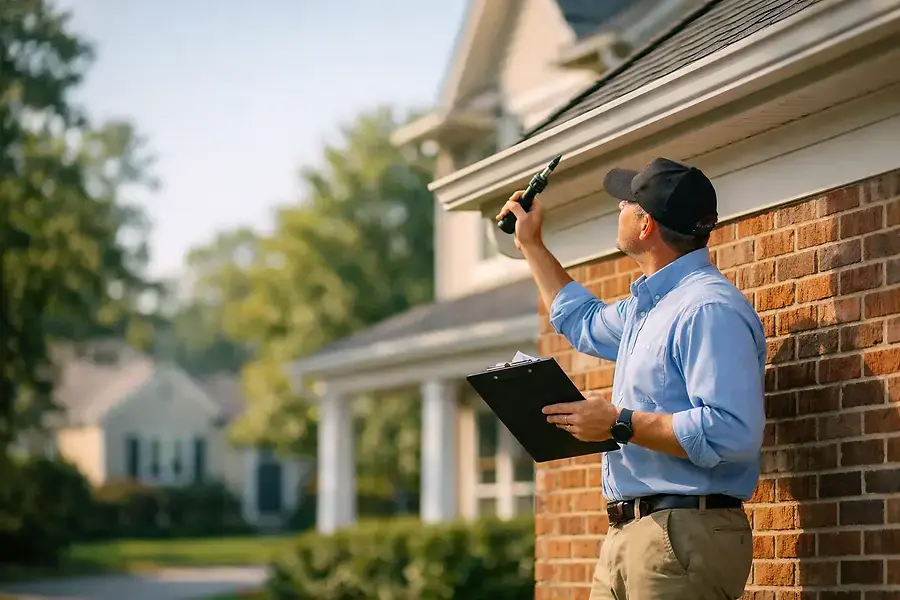
Why Home Inspections Matter in Chantilly
Purchasing a home is one of the most significant financial decisions you'll make, and in Chantilly's competitive real estate market, protecting your investment is crucial. A professional home inspection serves as your safeguard, providing an objective assessment of a property's condition before you commit to the purchase.
Home inspections are particularly important in Chantilly, where properties range from established neighborhoods to newer developments. Whether you're buying a charming older home or a modern residence, an inspection reveals hidden issues that could cost thousands in repairs down the line. Beyond financial protection, inspections give you peace of mind and valuable negotiating power.
Why skip this critical step? Many buyers underestimate the importance of inspections, but doing so can lead to unexpected expenses and regret. A thorough inspection typically costs $300-$500 and can save you from purchasing a property with serious structural, electrical, or plumbing problems.
Key Areas Inspectors Examine and Red Flags to Watch For
Structural Components
Inspectors carefully evaluate the foundation, walls, and overall structural integrity of the home. In Chantilly, where soil conditions and weather patterns vary, foundation issues can develop over time. Watch for:
- Cracks in the foundation or basement walls
- Signs of water intrusion or moisture damage
- Uneven floors or doors that don't close properly
- Bowing or leaning walls
Roofing and Exterior
The roof is your home's first line of defense against the elements. Inspectors assess shingle condition, flashing, gutters, and overall weatherproofing. Red flags include:
- Missing, cracked, or curling shingles
- Sagging roof lines
- Damaged or clogged gutters
- Deteriorating siding or trim
- Inadequate ventilation in attic spaces
Electrical Systems
A safe electrical system is non-negotiable. Inspectors check the panel, wiring, outlets, and overall safety compliance. Outdated or faulty electrical work poses serious fire and shock hazards. Be alert to:
- Outdated fuse boxes instead of modern circuit breakers
- Insufficient outlets or overloaded circuits
- Aluminum wiring (a known fire hazard in older homes)
- Missing GFCI outlets in bathrooms and kitchens
Plumbing and Water Systems
Water damage is one of the costliest issues homeowners face. Inspectors evaluate pipes, fixtures, water pressure, and drainage systems. Common concerns include:
- Corroded or leaking pipes
- Low water pressure
- Slow drains or signs of sewer issues
- Water heater age and condition
- Evidence of past or present water damage
HVAC Systems
Heating, ventilation, and air conditioning systems are essential for comfort and indoor air quality. Inspectors check furnaces, air conditioners, and ductwork for proper operation and maintenance. Watch for systems nearing the end of their lifespan, as replacement can cost $5,000-$10,000 or more.
Insulation and Ventilation
Proper insulation and ventilation affect energy efficiency and prevent moisture problems. Inspectors assess attic insulation levels and ventilation adequacy, which directly impact your utility bills and home comfort.
How to Prepare for Your Inspection and Interpret the Results
Before the Inspection
Preparation is key to getting the most from your inspection. Here's what you should do:
- Hire a certified, licensed inspector with experience in your area
- Request references and verify credentials
- Ask about the inspector's qualifications and what's included in their report
- Plan to attend the inspection in person when possible
- Prepare a list of specific concerns or areas you want examined closely
During the Inspection
Attend the inspection and ask questions. A good inspector will explain findings as they work and answer your concerns. Take notes and photos of any issues discussed. This hands-on approach helps you understand the property's condition firsthand.
Understanding the Report
Home inspection reports typically categorize findings by severity: critical issues requiring immediate attention, major concerns that should be addressed soon, and minor items for future maintenance. Don't panic if the report lists issues—most homes have some problems. Focus on understanding which items are deal-breakers and which are manageable.
"The inspection report is your roadmap to making an informed decision. Use it to negotiate repairs, request credits, or walk away if necessary."
Using Findings to Negotiate
Armed with inspection results, you have several options:
- Request repairs: Ask the seller to fix critical issues before closing
- Negotiate credits: Request a price reduction to cover repairs yourself
- Renegotiate terms: Adjust the offer based on discovered issues
- Walk away: If problems are too extensive, you can withdraw your offer
Most sellers expect some negotiation based on inspection findings, so don't hesitate to use this information strategically.
Using Inspection Findings to Make Confident Offers
A thorough home inspection transforms you from a hopeful buyer into an informed one. By understanding what inspectors look for and recognizing red flags, you're equipped to make confident decisions in Chantilly's real estate market.
Remember, the inspection is your protection. It's not about finding reasons to back out—it's about understanding what you're buying and negotiating fairly. Whether you're a first-time buyer or an experienced investor, the insights gained from a professional inspection are invaluable.
Take the inspection process seriously, ask questions, and use the findings to guide your offer strategy. With this knowledge, you'll move forward with confidence, knowing you've done your due diligence to protect your investment in Chantilly's residential market.


