Charleston Home Inspection Essentials: What Buyers Must Know
Protect your investment with a comprehensive guide to navigating the home inspection process in Charleston's unique coastal real estate market.

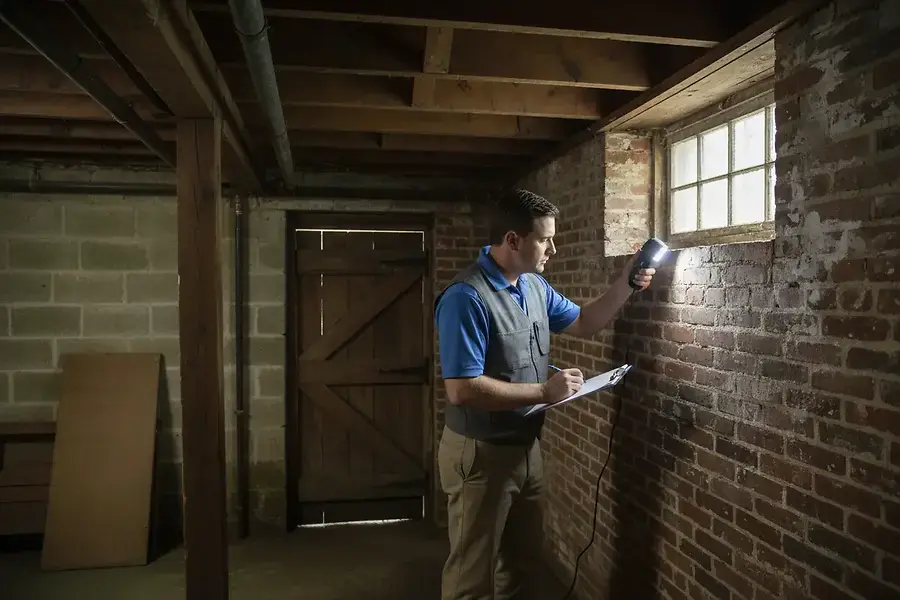
Why Home Inspections Matter in Charleston
Purchasing a home is one of the most significant investments you'll make in your lifetime. In Charleston, where the coastal climate presents unique challenges, a thorough home inspection becomes even more critical. The combination of high humidity, salt air, and periodic flooding creates an environment where properties face distinct wear and tear patterns that differ from inland markets.
A professional home inspection provides you with an objective assessment of your potential property's condition. It identifies existing problems, reveals maintenance issues that may not be immediately visible, and helps you understand the true cost of ownership. In Charleston's real estate market, this knowledge is invaluable for making informed decisions and protecting your financial investment.
Why Charleston homes need special attention:
- Coastal humidity accelerates deterioration of building materials
- Salt air corrodes metal components and finishes
- Flooding risks require evaluation of drainage and elevation
- Historic construction methods may differ from modern standards
- Foundation settling is common in older Charleston properties
Common Issues Found in Charleston Homes: Moisture, Foundation, and Structural Concerns
Moisture and Water Damage
Moisture is the primary concern in Charleston homes. The coastal climate's high humidity levels create an ideal environment for mold growth, wood rot, and structural deterioration. Inspectors will examine:
- Basement and crawlspace conditions for standing water or dampness
- Attic ventilation and signs of moisture accumulation
- Exterior grading and drainage systems
- Window and door seals for water infiltration
- HVAC systems and dehumidification capacity
Pro tip: Ask your inspector specifically about mold testing if you notice any musty odors or visible discoloration during your walkthrough.
Foundation and Settling Issues
Many Charleston homes, particularly those built before the 1980s, sit on brick or tabby foundations that can shift over time. Inspectors will look for:
- Cracks in foundation walls or floors
- Uneven settling indicated by sloping floors
- Water stains or efflorescence on foundation surfaces
- Gaps between walls and foundations
- Evidence of previous repairs or underpinning work
While minor settling is normal in older homes, significant foundation issues can be expensive to repair and may affect your financing options.
Structural and Roof Concerns
Charleston's weather patterns, including hurricanes and nor'easters, put stress on structural components. Your inspector will evaluate:
- Roof condition, age, and remaining lifespan
- Structural integrity of walls and support beams
- Hurricane straps and proper fastening of roof to walls
- Chimney stability and flashing integrity
- Exterior siding and trim for rot or damage
Understanding the inspection report: When your inspector identifies issues, they'll rate them by severity. Critical issues require immediate attention, while minor concerns can often be addressed during routine maintenance.
What to Expect During Your Inspection and How to Prepare
The Inspection Timeline
A typical home inspection in Charleston takes 2-4 hours, depending on the property's size and age. The inspector will systematically examine both interior and exterior components, documenting findings with photos and detailed notes.
Preparing for the Inspection
To get the most value from your inspection, consider these preparation steps:
- Attend the inspection: Being present allows you to ask questions and understand issues firsthand
- Request access: Ensure the seller provides access to all areas, including attics, crawlspaces, and locked rooms
- Bring a notebook: Take notes on items you want to discuss further with your inspector
- Ask about maintenance history: Request records of recent repairs, roof work, or foundation treatment
- Plan for follow-ups: Arrange for specialized inspections (mold, termites, radon) if the general inspection raises concerns
Questions to Ask Your Inspector
Don't hesitate to ask clarifying questions about findings. Key topics for Charleston properties include:
"What is the expected lifespan of the roof, and has it been treated for hurricane resistance? Are there any signs of previous water damage or mold? What dehumidification systems are in place, and are they adequate for the climate?"
Your inspector should provide clear explanations of technical issues in language you can understand, along with recommendations for repairs or further evaluation.
Using Inspection Results to Negotiate and Move Forward Confidently
Interpreting Your Report
Once you receive the inspection report, take time to review it thoroughly. Prioritize findings by severity and cost. Some issues may be deal-breakers, while others are manageable maintenance concerns that come with any home purchase.
Negotiation Strategies
Armed with inspection findings, you have several options:
- Request repairs: Ask the seller to fix critical issues before closing
- Negotiate credits: Request a credit toward closing costs to address issues yourself
- Adjust the offer: Reduce your purchase price to account for necessary repairs
- Walk away: If issues are too extensive, you may decide the property isn't right for you
In Charleston's competitive market, being reasonable in your requests increases the likelihood of successful negotiations. Focus on significant structural or safety issues rather than minor cosmetic concerns.
Moving Forward with Confidence
A comprehensive home inspection gives you the knowledge needed to make confident decisions about your Charleston property purchase. Understanding the home's condition, the costs associated with identified issues, and the timeline for necessary repairs allows you to budget effectively and plan for your future in your new home.
Remember: No home is perfect, especially in Charleston's challenging coastal environment. The goal of a home inspection is not to find a flawless property, but to ensure you understand what you're buying and can make an informed decision about your investment.
By taking the home inspection process seriously and asking the right questions, you're taking a crucial step toward protecting your investment and ensuring a smooth transition into your new Charleston home.


