Charlotte Home Inspection: What Buyers Should Know Before Closing
A comprehensive guide to understanding the home inspection process and identifying potential issues that could affect your investment.

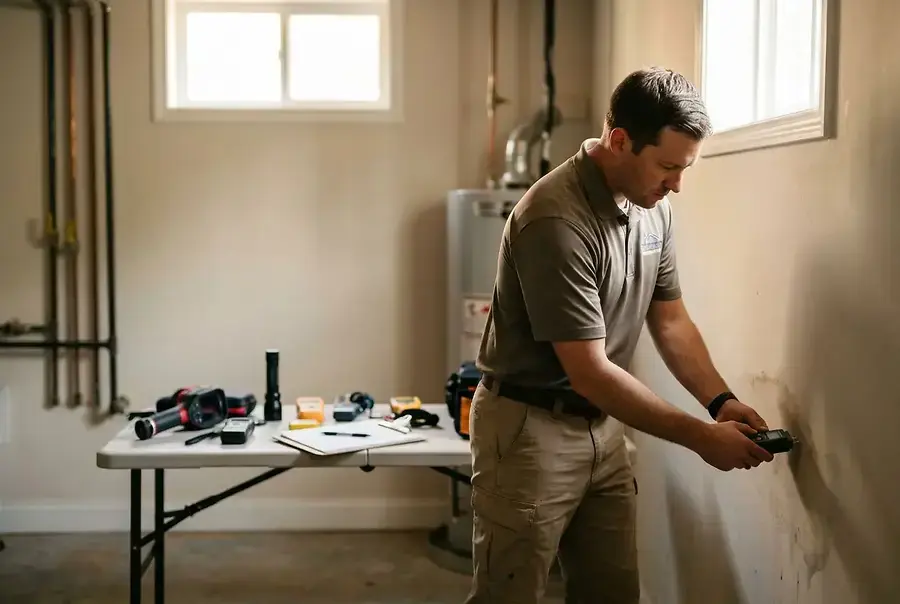
Why Home Inspections Matter in Charlotte's Competitive Market
In Charlotte's fast-paced real estate market, home inspections have become more critical than ever for buyers. With properties selling quickly and competition running high, many buyers feel pressured to waive inspections or skip thorough evaluations. However, this approach can lead to costly mistakes and unexpected repairs after closing.
A professional home inspection is your opportunity to uncover hidden issues before you commit to one of the largest purchases of your life. Whether you're buying a historic home in Dilworth or a newer construction in South End, understanding what inspectors look for can save you thousands of dollars and prevent future headaches.
The inspection serves as your protection, giving you leverage to negotiate repairs, request credits, or even walk away from a deal if serious problems are discovered. In Charlotte's competitive market, this knowledge is power.
What to Expect During a Professional Home Inspection
The Inspection Timeline and Process
A typical home inspection in Charlotte takes two to four hours, depending on the home's size and age. The inspector will systematically evaluate every major system and component of the property, creating a detailed report with photographs and recommendations.
You should plan to be present during the inspection. This allows you to ask questions, learn about the home's systems, and understand any concerns the inspector identifies in real-time.
Key Areas Inspectors Evaluate
Professional home inspectors examine:
- Structural Components: Foundation, framing, and load-bearing walls
- Roofing Systems: Shingles, flashing, gutters, and drainage
- Plumbing: Water supply lines, drainage systems, and fixtures
- Electrical Systems: Panel, wiring, outlets, and safety features
- HVAC Systems: Heating, cooling, and ventilation equipment
- Insulation and Ventilation: Energy efficiency and moisture control
- Interior Components: Walls, ceilings, floors, doors, and windows
- Exterior Elements: Siding, landscaping, and drainage around the foundation
Understanding the Inspection Report
After the inspection, you'll receive a comprehensive report categorizing findings into three levels: safety concerns, major repairs needed, and minor maintenance items. This classification helps you prioritize which issues require immediate attention and which can be addressed over time.
Don't hesitate to ask your inspector to clarify any findings. Understanding the severity and cost implications of each issue is essential for making informed decisions.
Common Issues Found in Charlotte Homes and How to Address Them
Water Damage and Moisture Problems
Charlotte's humid climate makes water damage one of the most common issues inspectors find. Look for signs of water intrusion in basements, crawl spaces, and attics. Addressing moisture problems early prevents mold growth and structural damage.
If water damage is discovered, request that the seller either repair the issue or provide a credit toward repairs. Proper grading, gutter maintenance, and basement waterproofing are typical solutions.
Roof Condition and Age
Many Charlotte homes have roofs nearing the end of their lifespan. Most asphalt shingle roofs last 15-20 years. If your inspection reveals a roof that's aging or damaged, factor replacement costs into your negotiation. A new roof can cost $8,000-$15,000 or more, depending on the home's size.
HVAC System Concerns
Air conditioning systems work overtime in Charlotte's hot summers. Inspectors often find aging units that may fail soon. Request the seller provide maintenance records and consider getting a separate HVAC evaluation if the system is over 10 years old.
Electrical and Plumbing Updates
Older Charlotte homes may have outdated electrical panels or plumbing systems. Aluminum wiring and galvanized pipes are red flags that could require upgrades. These updates improve safety and functionality but represent significant expenses.
Foundation Issues
While serious foundation problems are less common, settling and minor cracks can occur. Small cracks are typically cosmetic, but larger issues require professional evaluation. Don't ignore foundation concerns—they can worsen over time and become expensive to repair.
Pest and Termite Damage
Charlotte's warm climate attracts termites and other pests. Many inspections reveal evidence of past or present pest activity. Request a separate termite inspection and treatment if damage is found. Prevention is more cost-effective than dealing with infestations later.
Using Inspection Results to Make Confident Purchasing Decisions
Negotiating After the Inspection
Once you have the inspection report, you have several options:
- Request repairs: Ask the seller to fix identified issues before closing
- Negotiate credits: Request a credit toward repairs you'll handle yourself
- Renegotiate price: Use major findings to justify a lower offer
- Walk away: If issues are too extensive, you can terminate the contract during the inspection period
The key is understanding which issues are deal-breakers and which are manageable. Work with your real estate agent and lender to evaluate the financial impact of repairs.
Planning for Future Maintenance
Even if the inspection reveals only minor issues, use the report as a roadmap for future maintenance. Addressing small problems now prevents them from becoming major expenses later. Create a maintenance schedule based on the inspector's recommendations and your home's specific needs.
Final Thoughts
A home inspection is not a reason to fear buying in Charlotte—it's your opportunity to buy with confidence. By understanding what inspectors look for, knowing common issues in the area, and using inspection results strategically, you can make a purchasing decision that protects your investment and brings you peace of mind.
Don't let the competitive market pressure you into skipping this crucial step. A thorough inspection is one of the best investments you can make as a homebuyer.


