Charlotte Home Inspections: Essential Buyer Protection Guide
Discover the critical inspection checklist that protects your investment and prevents costly surprises in Charlotte's residential market.

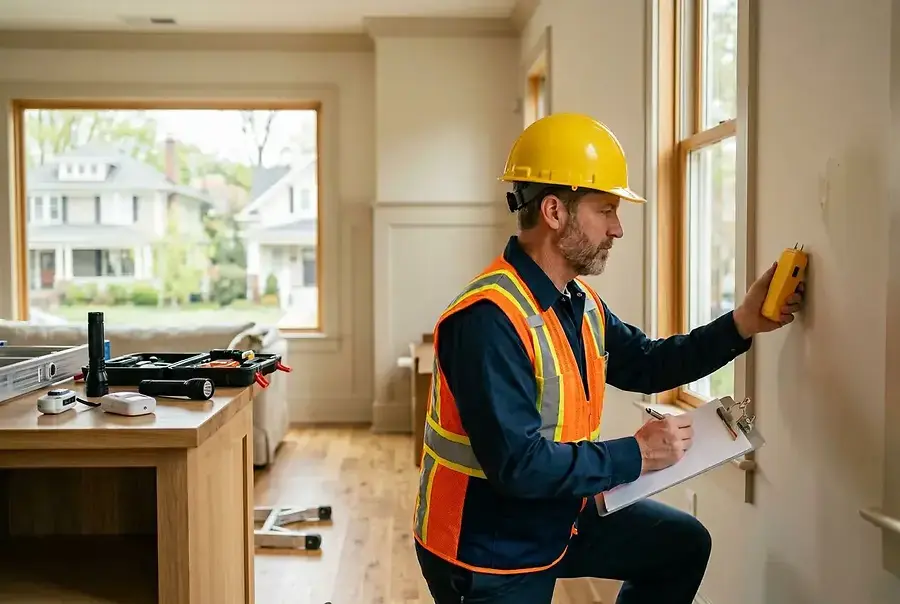
Why Home Inspections Matter in Charlotte's Market
Purchasing a home is one of the most significant financial decisions you'll make in your lifetime. In Charlotte's competitive real estate market, a professional home inspection serves as your essential safeguard against hidden defects and costly repairs. A thorough inspection provides you with detailed knowledge about your potential property's condition before you commit to the purchase.
Home inspections are particularly important in Charlotte, where properties range from historic homes to newer developments. Each property type presents unique challenges and potential issues. An experienced inspector can identify problems that untrained eyes might miss, potentially saving you thousands of dollars in unexpected repairs and renovations.
The inspection process typically takes 2-4 hours and covers all major systems and components of the home. This investment in due diligence gives you the leverage to negotiate repairs, request credits, or make an informed decision about whether to proceed with the purchase.
Key Areas Inspectors Evaluate in Charlotte Homes
Structural Components and Foundation
Inspectors begin by examining the home's foundation, which is critical in Charlotte's clay-heavy soil conditions. They look for cracks, settling, water damage, and signs of structural movement. The basement or crawl space is carefully evaluated for moisture intrusion, a common issue in the Charlotte area due to humidity and rainfall patterns.
Exterior walls, roofing materials, and the overall structural integrity receive thorough attention. Inspectors assess whether the home can withstand Charlotte's weather conditions, including occasional severe storms and temperature fluctuations.
Roofing and Exterior Systems
The roof is one of your home's most important protective barriers. Inspectors evaluate:
- Shingle condition and remaining lifespan
- Flashing around chimneys and vents
- Gutters and downspout functionality
- Siding integrity and paint condition
- Windows and door seals
Charlotte's weather patterns, including intense sun exposure and occasional heavy rains, can accelerate wear on exterior components. A detailed assessment helps you understand what maintenance or replacement may be needed soon.
Plumbing and Water Systems
Water-related issues are among the most expensive to repair. Inspectors test all plumbing fixtures, check water pressure, examine pipes for corrosion or leaks, and evaluate the water heater's condition and age. They also assess the home's drainage system and look for signs of water damage throughout the property.
Water intrusion and plumbing problems are particularly common concerns in older Charlotte homes, making this inspection area especially valuable for your protection.
Electrical Systems
A comprehensive electrical inspection ensures your home meets current safety standards. Inspectors evaluate:
- The main electrical panel and circuit breakers
- Grounding and bonding systems
- Outlet and switch functionality
- Proper installation of GFCI outlets in wet areas
- Overall electrical capacity for modern appliances
Outdated or faulty electrical systems pose serious safety risks and may require upgrades to meet current codes.
HVAC and Climate Control
Charlotte's hot, humid summers and mild winters put significant demands on heating and cooling systems. Inspectors evaluate the age, condition, and efficiency of your HVAC equipment. They check whether the system is appropriately sized for the home and assess ductwork for leaks or damage.
Interior Components
Inspectors examine interior elements including:
- Walls, ceilings, and floors for damage or water stains
- Doors and windows for proper operation
- Insulation levels in attic spaces
- Ventilation systems
- Appliances included in the sale
Red Flags and How to Respond to Inspection Findings
Understanding Inspection Reports
Your inspector will provide a detailed report categorizing findings by severity. Major issues require immediate attention and can significantly impact your purchase decision. Minor issues are typically maintenance items or cosmetic concerns. Understanding this distinction helps you prioritize your response.
Common Red Flags in Charlotte Homes
Foundation problems are serious concerns that may require expensive repairs. Look for multiple cracks, bowing walls, or evidence of previous repairs that may indicate ongoing issues.
Roof damage or age can lead to costly replacement. If the roof is nearing the end of its lifespan, factor replacement costs into your decision.
Mold or moisture damage is particularly concerning in Charlotte's humid climate. This can indicate ventilation problems or water intrusion that needs professional remediation.
Outdated electrical systems or aluminum wiring present safety hazards and may require upgrades before you can safely occupy the home.
HVAC system failures can be expensive to replace, especially if the system is old or oversized for the home.
Responding to Inspection Findings
Once you receive your inspection report, you have several options:
- Request repairs: Ask the seller to fix major issues before closing
- Negotiate credits: Request a credit toward closing costs to handle repairs yourself
- Renegotiate price: Adjust the purchase price to reflect necessary repairs
- Walk away: If issues are too severe or costly, you may choose not to proceed
Work with your real estate agent and potentially a contractor to understand the true cost of addressing inspection findings. This information strengthens your negotiating position and ensures you make decisions based on facts, not emotions.
When to Get Additional Inspections
If the general inspection reveals potential issues with specific systems, consider hiring specialists. Pest inspectors, mold specialists, and HVAC technicians can provide detailed assessments that inform your decision-making process.
Making Informed Decisions With Inspection Data
A professional home inspection is your opportunity to understand exactly what you're purchasing. Rather than viewing inspection findings as obstacles, consider them valuable information that empowers you to make smart financial decisions.
Don't skip the inspection to save money or speed up the process. The cost of an inspection—typically $300-500—is minimal compared to the potential savings from identifying major problems before purchase.
Use your inspection report as a negotiating tool and a roadmap for future maintenance. Even if you proceed with the purchase despite findings, you'll know what to prioritize for repairs and maintenance, allowing you to budget accordingly.
Charlotte's real estate market moves quickly, but taking time for a thorough inspection protects your investment and gives you peace of mind. By understanding what inspectors evaluate and how to respond to their findings, you position yourself as an informed buyer ready to make the best decision for your family and your financial future.