Charlotte's Adaptive Reuse Commercial Buildings: New Value from Historic Spaces
Learn how Charlotte's commercial property owners are transforming underutilized historic buildings into thriving modern businesses and attracting premium tenants.

Introduction: The Adaptive Reuse Opportunity in Charlotte's Commercial Market
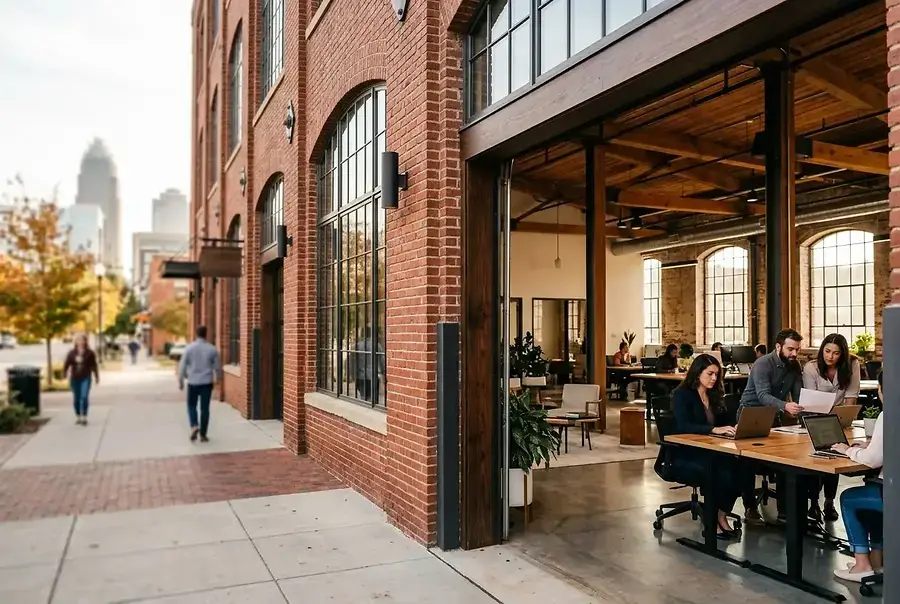
Charlotte's skyline tells a story of transformation. Throughout the city, historic buildings that once housed textile mills, warehouses, and manufacturing facilities are experiencing a remarkable renaissance. Rather than demolishing these architectural treasures, forward-thinking commercial property owners are embracing adaptive reuse—converting underutilized historic spaces into vibrant modern commercial environments.
This trend represents far more than nostalgia or preservation sentiment. Adaptive reuse has become a strategic investment approach that unlocks significant financial value while meeting the evolving demands of today's tenants. As Charlotte continues to grow as a major business hub, the demand for distinctive, character-filled commercial spaces has never been stronger.
Why Adaptive Reuse Properties Command Higher Tenant Interest and Valuations
The Premium Tenant Appeal
Modern businesses, particularly in creative industries, technology, and professional services, actively seek spaces that differentiate their brand. Historic buildings offer something new construction cannot replicate: authentic character, soaring ceilings, exposed brick, and unique architectural details that create memorable work environments.
Tenants are willing to pay premium rates for these distinctive spaces because they:
- Enhance employee recruitment and retention through inspiring work environments
- Provide natural marketing advantages—the building itself becomes part of the brand story
- Offer flexible floor plans that adapt to modern business needs
- Create Instagram-worthy spaces that generate organic social media promotion
Financial Advantages for Property Owners
The financial case for adaptive reuse is compelling. Properties that successfully undergo adaptive reuse typically experience:
- Increased property valuations of 15-30% compared to similar non-renovated historic buildings
- Higher rental rates that reflect the premium nature of the space
- Improved tenant retention due to the desirability of the location and environment
- Tax incentives available through historic preservation credits and rehabilitation programs
- Reduced vacancy periods as quality tenants actively seek these distinctive spaces
Adaptive reuse transforms a liability into an asset. Historic buildings that were once considered outdated become the most sought-after commercial addresses in the market.
Sustainability and Community Impact
Beyond financial returns, adaptive reuse aligns with growing corporate sustainability commitments. Renovating existing structures requires significantly less energy and resources than new construction, reducing environmental impact while preserving Charlotte's architectural heritage. This resonates strongly with modern tenants and their stakeholders.
Successful Adaptive Reuse Case Studies and Investment Returns in Charlotte
The Warehouse District Transformation
Charlotte's historic warehouse district has emerged as a prime example of adaptive reuse success. Former industrial buildings have been converted into mixed-use commercial spaces, attracting creative agencies, design firms, and tech startups. These properties now command rental rates 20-25% above comparable modern office space, with waiting lists of prospective tenants.
Property owners who invested in comprehensive renovations—while preserving original architectural elements—have seen their investments appreciate substantially. The combination of authentic character and modern amenities creates an irresistible value proposition.
Mill Building Renaissance
Historic mill buildings, once symbols of Charlotte's industrial past, are being reimagined as premium commercial hubs. These structures, with their distinctive timber beams, large windows, and open floor plans, naturally accommodate modern office layouts, creative studios, and collaborative workspaces.
Successful conversions have attracted:
- Marketing and advertising agencies seeking distinctive brand headquarters
- Software development companies valuing collaborative environments
- Design and architecture firms drawn to the creative atmosphere
- Professional services firms targeting high-end clientele
Investment Return Metrics
Recent adaptive reuse projects in Charlotte demonstrate strong financial performance:
- Average cap rates of 5.5-6.5% on stabilized adaptive reuse properties
- Appreciation rates exceeding 4-5% annually post-renovation
- Tenant retention rates exceeding 90% due to high satisfaction with spaces
- Payback periods of 7-10 years for comprehensive renovation projects
Conclusion: Positioning Your Commercial Property for Adaptive Reuse Success
Key Considerations for Property Owners
If you own a historic commercial property in Charlotte, adaptive reuse may represent a significant opportunity. Success requires:
- Professional assessment of the building's structural integrity and renovation potential
- Understanding local historic preservation requirements and available incentives
- Strategic planning around target tenant profiles and market positioning
- Quality execution of renovations that balance preservation with modern functionality
- Effective marketing that communicates the unique value proposition to premium tenants
The Future of Charlotte's Commercial Real Estate
As Charlotte continues its growth trajectory, the competitive advantage of distinctive, character-filled commercial spaces will only increase. Historic buildings that might have been considered liabilities five years ago are now recognized as valuable assets with strong income-generating potential.
The adaptive reuse movement in Charlotte demonstrates a fundamental market truth: authentic, well-executed renovations of historic spaces create premium commercial environments that tenants actively seek and are willing to pay premium rates to occupy.
Whether you're a property owner seeking to unlock hidden value, an investor evaluating commercial opportunities, or a business looking for distinctive space, Charlotte's adaptive reuse market offers compelling opportunities. The buildings that shaped Charlotte's industrial heritage are now shaping its commercial future—and generating impressive returns for those who recognize their potential.


